
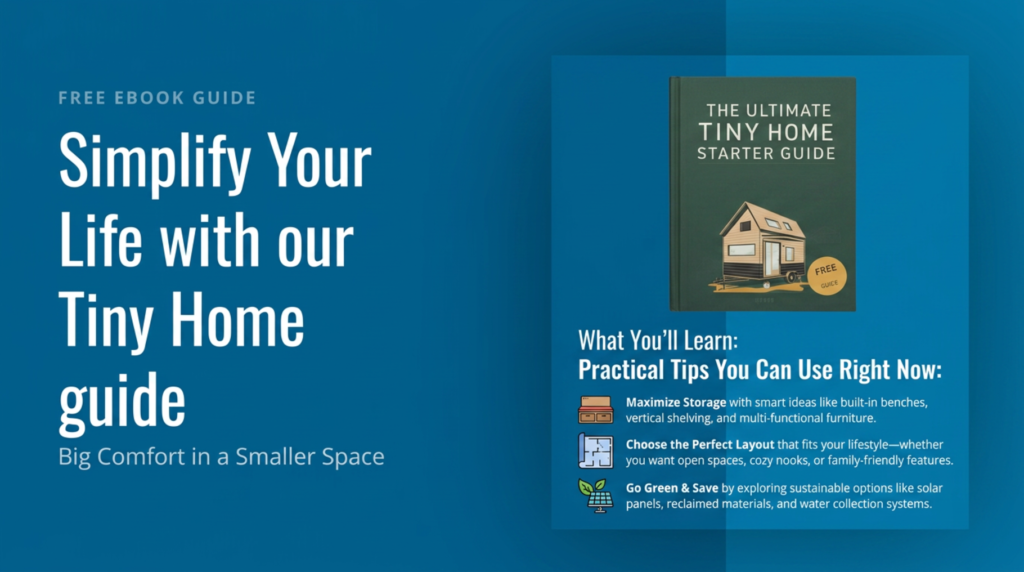
Find quality tiny homes available for bulk purchase, designed for investors, resellers, and developers searching for an efficient entry into the growing tiny home market. Whether you’re planning an Airbnb rental portfolio, stocking dealer inventory for sale, or creating a tiny home village, purchasing tiny homes wholesale offers significant cost savings of 20–50% off retail – with the wholesale tiny home market now valued at over $6 billion. Our wholesale program delivers competitive pricing on certified units perfect for rental properties, resale opportunities, and community developments.
Types of Wholesale Tiny Homes
Our wholesale inventory includes several categories built for different business models and investment strategies. Tiny homes typically range from 100 to 400 square feet, though some models push beyond that, and each type reflects a distinct end-use case.
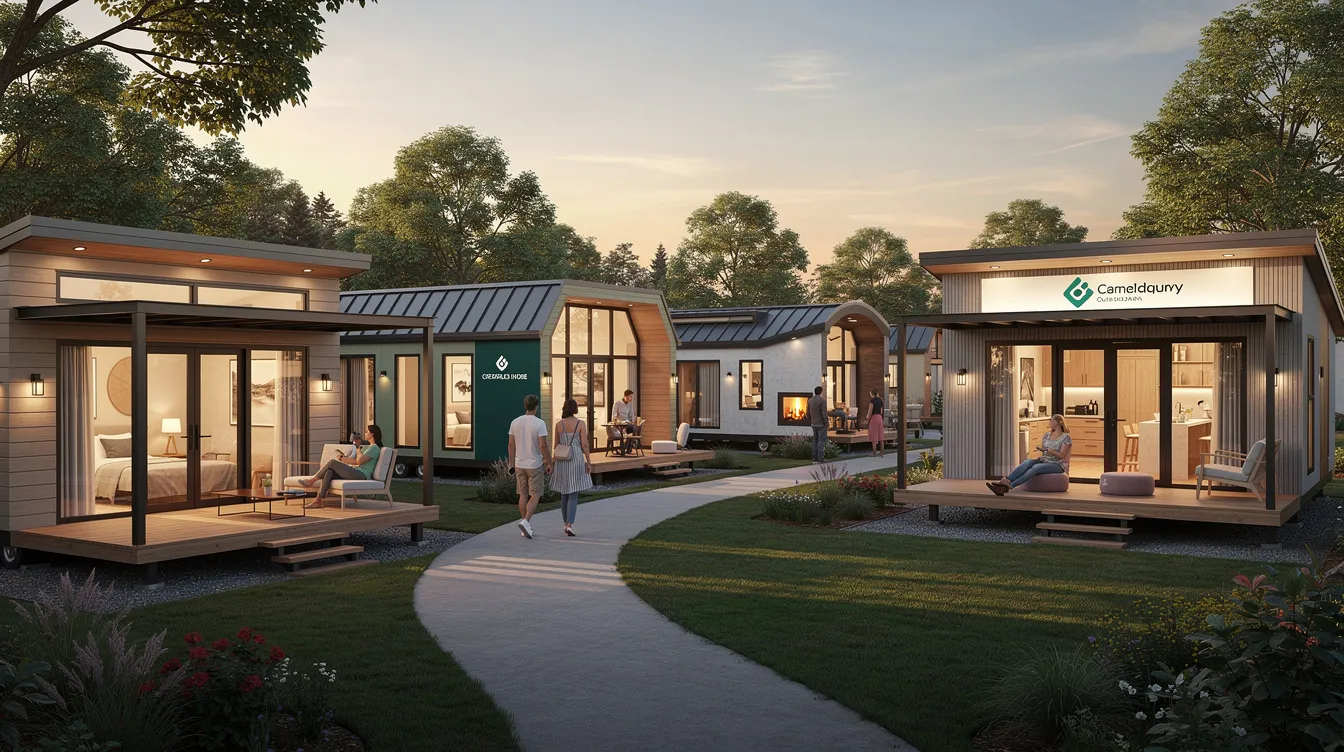
Investment Rental Models
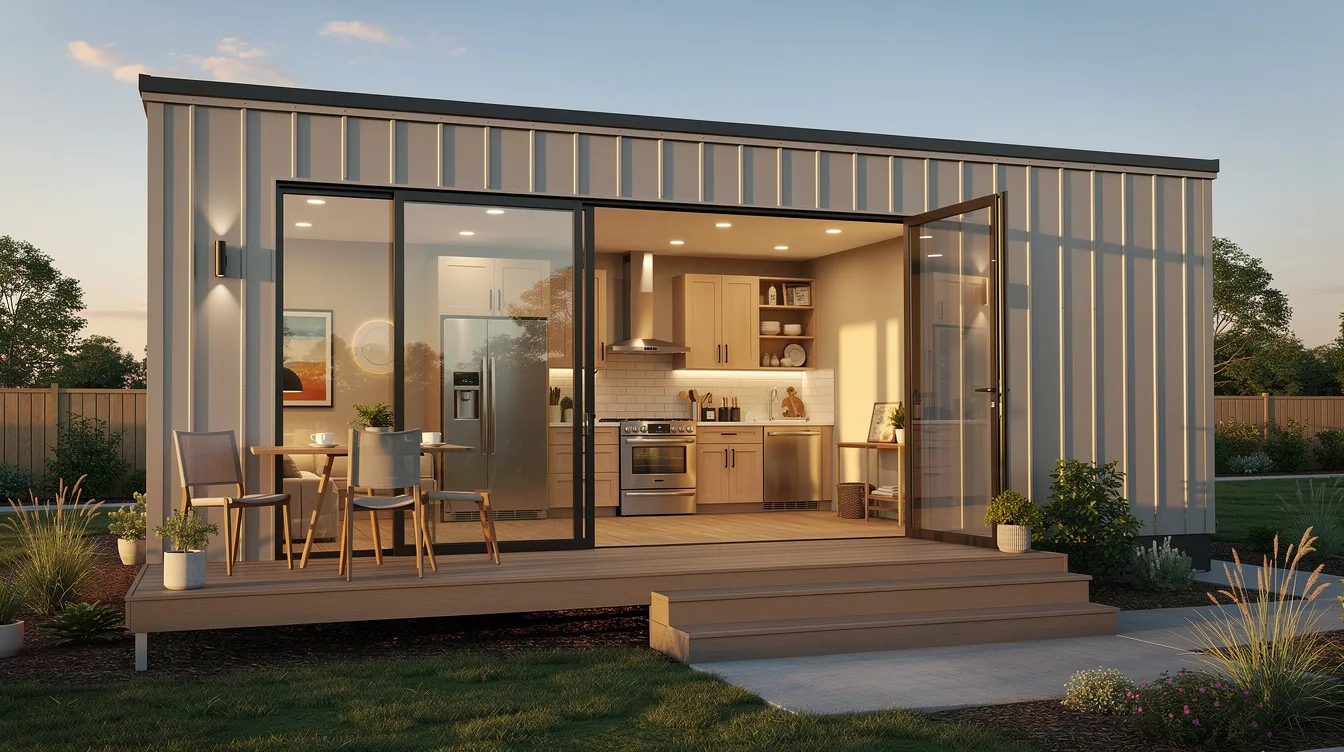
Tiny homes designed for short-term vacation and Airbnb rental markets emphasize guest appeal: open layouts, large windows, and durable construction that withstands frequent turnover. Turnkey rental-ready packages – like those offered by Shadowbrook Tiny Homes – include upgraded finishes, functional bathroom and kitchen fixtures, and outdoor features like a porch that photograph well for listings. These models prioritize high booking rates through style and durability, with commercial-quality appliances and low-maintenance exterior materials such as metal siding and composite decks.
Resale Retail Models
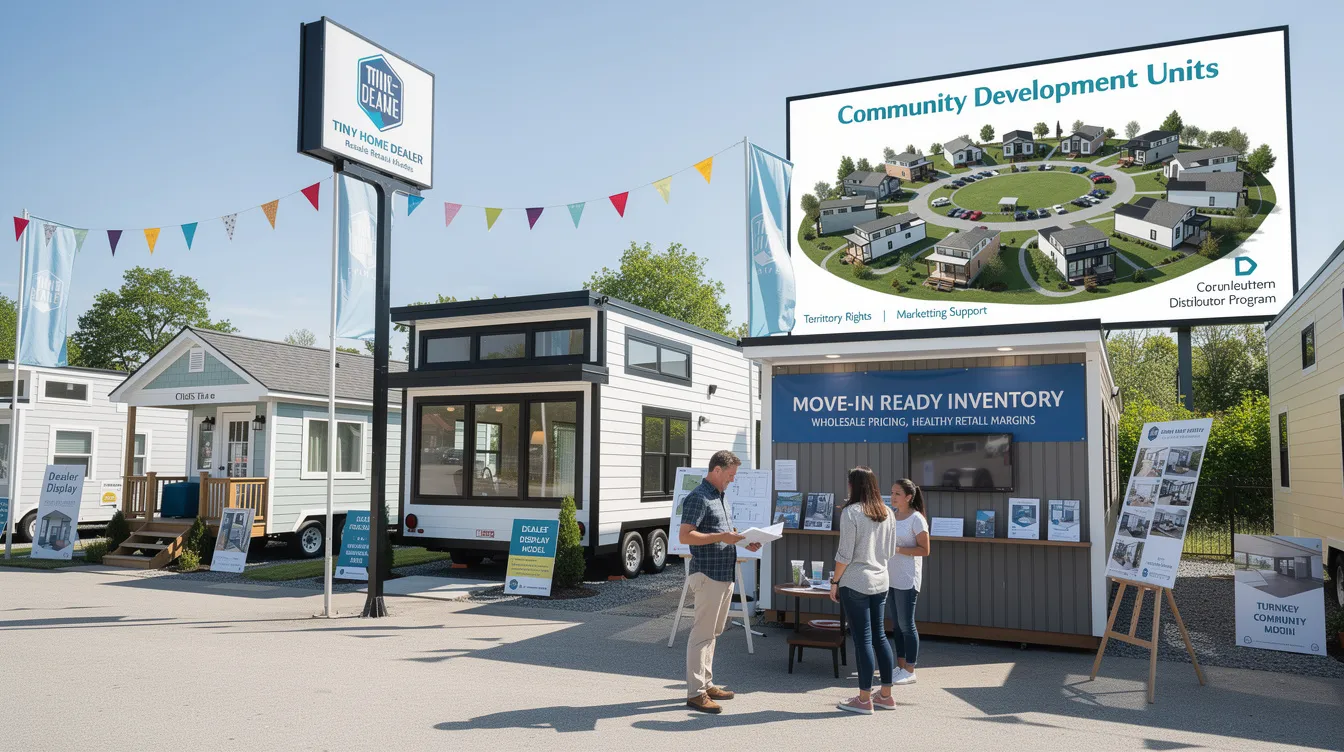
Move-in ready tiny homes perfect for dealer inventory and shop floor display. Many tiny home builders sell directly to customers through factory-direct or affiliate models, but established dealer programs – such as the Tiny House Cottages distributor program – provide territory rights, marketing support, and popular floor plans with broad market appeal. Setting up a display center typically requires $30,000–$75,000 in capital, with anticipated distributor revenue of $60,000–$95,000 per year working part time. These models offer competitive wholesale pricing that supports healthy retail margins.
Community Development Units
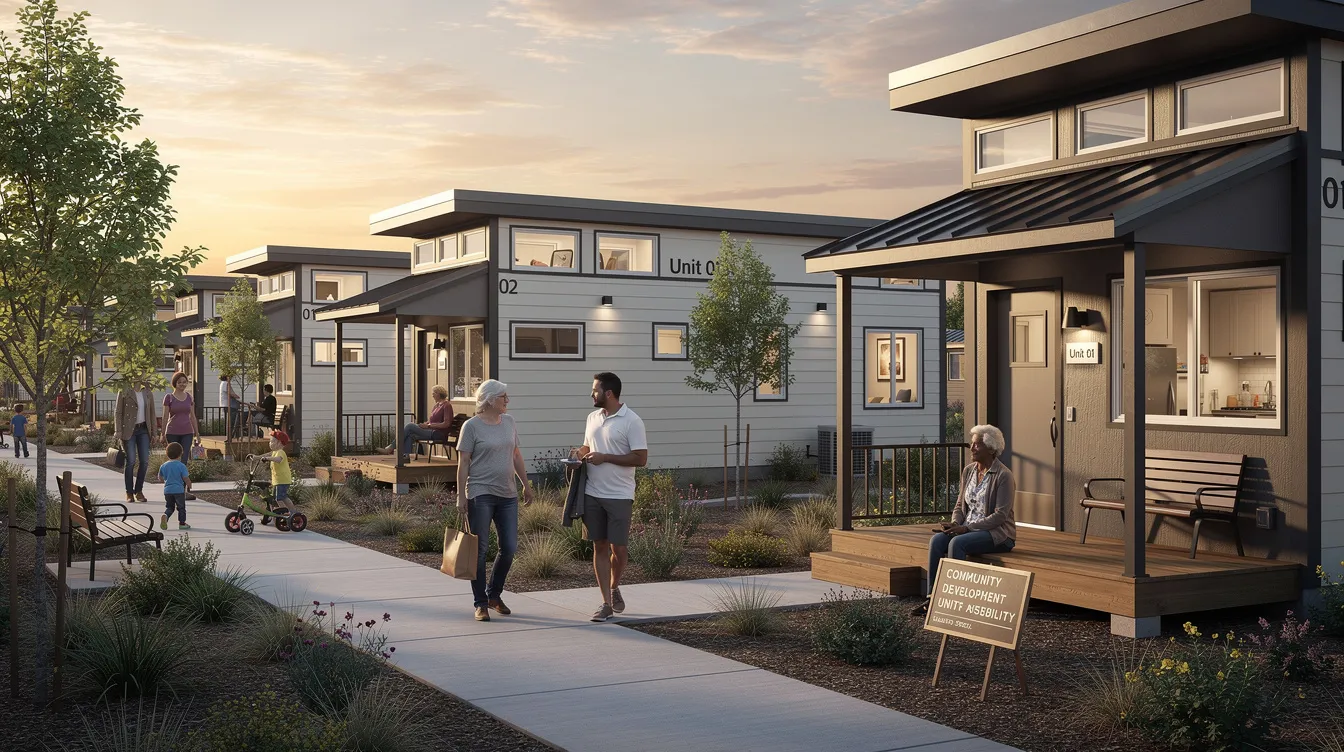
Standardized models designed for tiny home villages, transitional housing projects, and affordable housing developments. Cities and nonprofits are deploying these at scale: the Chandler Boulevard Tiny Homes Village in Los Angeles delivered 39 factory-built units for approximately $4.9 million total, while the Kickapoo Tribal Housing Project in Oklahoma built 10 units averaging 500 square feet – complete with bedroom, kitchen, bathroom, and family room – delivered in roughly 3 months at about $100,000 per unit. Consistent quality and design across multiple units streamlines maintenance, permitting, and site planning.
Corporate and Hospitality Models
Commercial-grade tiny homes and cabins for glamping sites, resorts, and corporate retreat properties. Enhanced durability features handle high-traffic commercial use, and customizable options allow branding, unique interior layouts, and climate-specific builds. These units often feature premium materials and finishes that deliver a memorable guest experience night after night without compromise on longevity.
What to Look For in Wholesale Tiny Homes
Key features determine the long-term success and profitability of any wholesale tiny home purchase. A reliable tiny home supplier should meet applicable building codes and offer a warranty – but the detail goes deeper than that.
Construction Quality and Durability
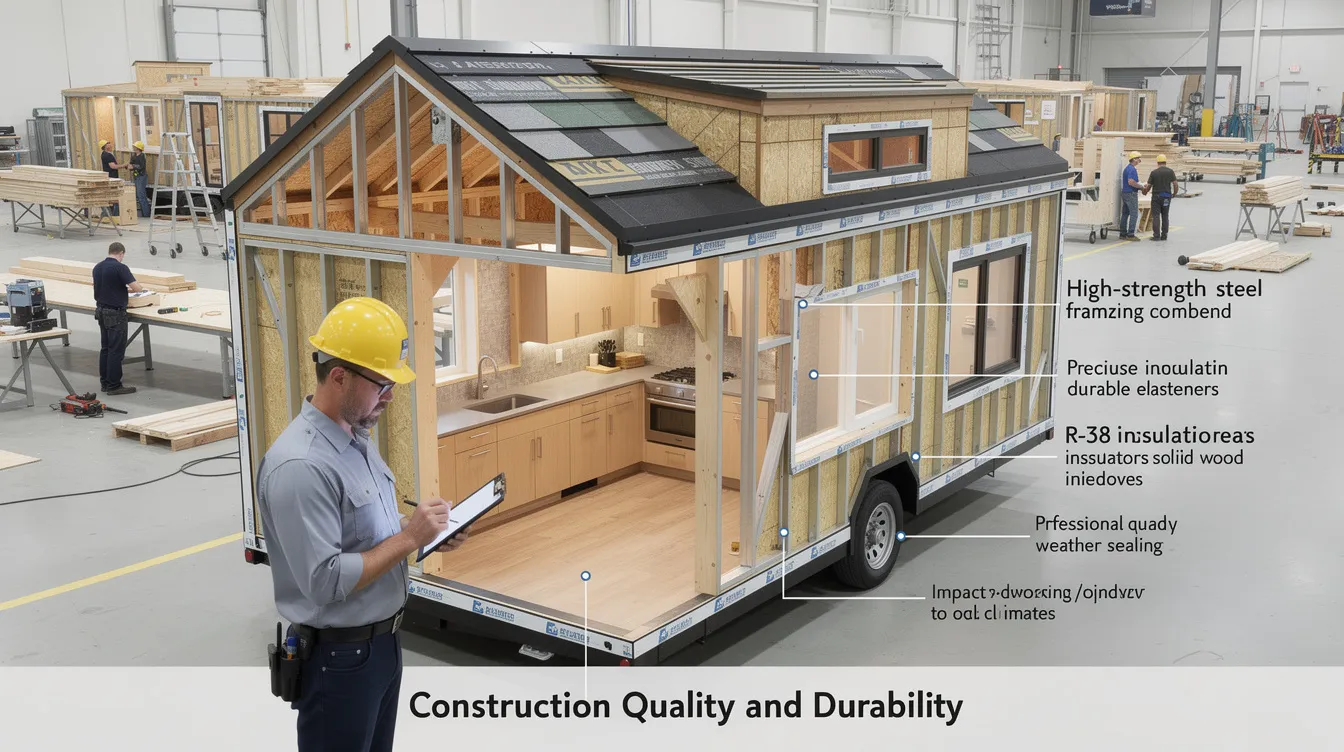
Inspecting a tiny home’s construction materials is crucial for longevity. Tiny homes are built with high-strength steel frames, solid wood, and durable fasteners. Insulated sandwich panels enhance durability and energy efficiency, while professional-grade weather sealing protects against moisture intrusion. For rental and commercial use, look for high quality materials throughout: commercial-quality fixtures, impact-resistant windows, and hard-wearing flooring. Many wholesale providers utilize precision-controlled manufacturing to reduce utility waste and maintain consistent build standards. High-quality finishes ensure longevity in tiny home construction, and tiny homes undergo rigorous quality inspections before delivery.
R-value insulation of R-38 or higher in walls and ceilings is ideal for cold-climate deployments. Durable materials like engineered wood frames, moisture-resistant interiors in the bathroom and kitchen, and heavy-duty roofing all contribute to units that last decades without excessive maintenance.
Certification and Compliance
Certification directly impacts legal placement, financing, insurance, and customer trust. RVIA monitors manufacturers for compliance with NFPA 1192 (for RVs) and ANSI A119.5 (for Park Model RVs up to approximately 400 square feet in set-up mode) through unannounced inspections. For tiny homes on wheels intended as permanent housing, local building codes, modular home standards, or HUD regulations may apply – RVIA certification alone will not provide legal status as a permanent residence. Legal placement of a tiny home can be complicated by zoning laws, so verifying local compliance before purchase is essential.
Financing options for tiny homes vary depending on their classification: RVIA-certified units may qualify for RV loans, manufactured homes can access HUD-based financing, and uncertified units typically require personal or business loans. Financing options are offered by Decathlon Tiny Homes, among other providers.
Market Appeal and Profitability
Tiny homes cost an average of $67,000 to purchase at retail. At wholesale volume pricing, that number drops meaningfully – making room for healthy margins on resale or strong ROI on rental income. Proven floor plans with attractive exteriors and functional interiors drive customer satisfaction and booking rates. Design features that photograph well – large windows, lofts, outdoor living space, and a welcoming front door – make the difference in competitive rental markets. Models like the Sequoia (394 sq ft), the TS510 Tiny House (260 sq ft), and the X Model (a studio-style layout at 144 sq ft) each serve distinct market preferences in terms of size and layout.
Demand for tiny homes is strong in areas with high housing costs and flexible zoning. Minimalist tiny houses for sustainable living provide versatile housing options such as ADUs, vacation rentals, and backyard guest units – each opening different revenue streams.
Standardization and Support
Consistent build quality across multiple units ensures brand reliability for resellers and predictable maintenance costs for operators. Look for manufacturers offering structural warranties of 2–5 years, with appliance and fixture coverage of at least 1 year. Pacifica Tiny Homes provides regular build process updates, keeping buyers informed at every stage. Available parts and a service network reduce stress when maintenance is needed, and some manufacturers assist with delivery, site setup, and even permitting paperwork. Delivery is available to all 50 states, and Decathlon Tiny Homes delivers within a 100-mile radius for free.
How to Choose the Right Wholesale Tiny Homes
- Investment Strategy – Rental income models require different features than resale inventory. Airbnb rental units need enhanced durability, guest amenities, and unique design that stands out in a competitive market, while resale inventory prioritizes affordability and broad appeal. Living in a tiny home reduces living expenses significantly, which makes the value proposition clear to end buyers.
- Target Market – Vacation rental and glamping markets favor luxury finishes, unique style, and room for memorable experiences. Affordable housing and community development projects prioritize functional layouts, cost-effectiveness, and standardization. Custom tiny homes can accommodate pets and guest spaces – a detail that matters for certain buyer segments. Top custom tiny homes for small-space living promote a minimalist lifestyle that resonates with customers seeking simplicity.
- Order Volume and Timeline – Buying tiny homes in bulk qualifies for volume pricing, which reduces costs. Standard wholesale orders typically take 3–6 months; custom specifications can extend timelines to 6–12 months. Custom tiny homes take about 12 months to build. Home Depot tiny house kits and Cubbie Home illustrate steep volume discounts: base price around $12,995 per unit at 10 units drops to approximately $9,995 at 50+ units – a roughly 23% reduction. Purchasing a sample unit is advisable before placing a large order with a supplier. Budget accordingly for larger orders that require more capital but deliver greater per-unit savings.
- Location and Regulations – Local zoning laws and land use rules determine which models and certifications work for your site. Alpine Forge Homes provides design and zoning customization support for developers navigating these complexities. Climate considerations – insulation levels, HVAC specifications, and weather resistance – should match the location where units will be placed, especially when working with a top tiny house builder in New York or other region-specific partners.
Frequently Asked Questions
What is the minimum order quantity for wholesale pricing?
Most manufacturers require orders of 2–5 units minimum for wholesale rates. Cubbie Home sets a minimum order of 10 units; Tiny House Cottages requires at least two for its distributor program. Volume discounts typically increase at 10, 25, and 50+ unit levels. Many tiny home buyers opt for prefabricated kits to reduce construction waste, and these kits are also available in bulk quantities.
How long does it take to fulfill a wholesale order?
Standard wholesale orders typically require 3–6 months for completion. Custom specifications – unique floor plans, upgraded finishes, or site-specific modifications – can extend timelines to 6–12 months. Some manufacturers maintain pre-built inventory for faster 30–60 day delivery on select models, including lines focused on affordable tiny house buildings and designs. Larger projects should factor in phased deliveries aligned with development schedules.
What financing options are available for wholesale purchases?
Commercial loans and business lines of credit are the most common financing methods. RVIA-certified tiny homes on wheels may qualify for RV loans, while units built to manufactured housing standards can access HUD-based financing. Some manufacturers offer dealer financing programs – Decathlon Tiny Homes provides financing options, for example. Uncertified or non-conforming units typically require personal or business loans, which may carry higher rates, so buyers should assess total costs across the best tiny homes for sale in 2025 before committing to a specific model.
Do wholesale tiny homes come with warranties?
Most wholesale units include manufacturer warranties ranging from 1–5 years. Structural warranties typically last longer than appliance and fixture warranties, which commonly cover 1 year. Extended warranty options are often available for commercial and rental applications. Choosing from the best modern tiny house designs can also improve efficiency. Tiny homes often have lower utility bills than traditional homes, which further reduces the total cost of ownership over the life of each unit.
Can I customize wholesale tiny home orders?
You can customize every aspect of your tiny home in many wholesale programs. Decathlon Tiny Homes provides a variety of customizable options, and Tumbleweed allows you to expand your kitchen with a countertop extension, among other modifications. Pacifica Tiny Homes offers additional options to enhance your home, and many buyers draw inspiration from cute tiny house designs for their dream home. Customization may extend lead times and adjust pricing – request a personalized quote tailored to your specific project requirements.
What models and sizes are available?
Wholesale programs offer a range from compact shelter units to full-size homes. Examples include the X Model (144 sq ft studio-style), the FGT-155 Small Cabin Kit (280 sq ft), the TS510 Tiny House (260 sq ft), the A30 Eco Prefab Home (400 sq ft with two bedrooms), and the B6 Modern Prefab Home (800 sq ft with three bedrooms). Tiny homes often utilize eco-friendly materials, and many are constructed with durable materials that deliver quality craftsmanship across every detail, which appeals to buyers exploring whether a tiny house for sale is right for them.
Start Your Wholesale Tiny Home Business
Explore wholesale tiny home inventory to discover models that match your investment vision and market opportunities. With competitive pricing, quality construction from premium materials, and comprehensive support, wholesale tiny homes offer an affordable, scalable path into the growing alternative housing market – whether you’re creating a glamping site, building community housing, or stocking a retail operation. Tiny home communities foster connections among residents, and the reality is that this market continues to expand as more customers seek the flexibility and affordability that the tiny house lifestyle delivers.