

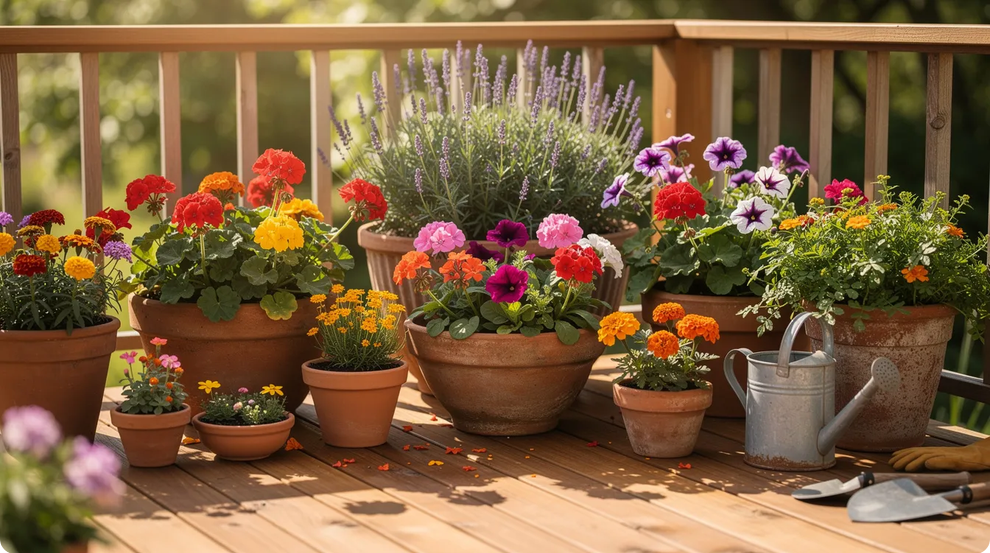
If you’re gardening in a tiny home setup anywhere across the Sooner State, you already know the challenge: limited square footage, intense summer heat that lingers well into September, and unpredictable weather swings that can throw even experienced gardeners off track. The good news is that fall flowers in Oklahoma offer some of the most rewarding color of the entire growing season, and many of the best options happen to thrive in small spaces, containers, and raised beds.
Oklahoma’s fall weather varies from lingering summer heat to sudden frosts, which means the plants you choose need to be tough, adaptable, and compact enough to work in a tiny home garden. Whether you’ve got a 4×8 raised bed, a cluster of containers on a deck, or a narrow strip of ground beside your front door, the right fall flowers can keep your space vibrant from late summer all the way through first frost.
In this guide, we’ll walk you through seven proven fall flowers that perform well across Oklahoma’s climate zones, fit into small garden footprints, and require minimal fuss to maintain, and you can pair them with creative tiny garden ideas for small spaces to make the most of every square foot.
How We Chose the Best Fall Flowers
Not every pretty flower earns a spot on this list. We evaluated dozens of species and narrowed the field based on criteria that matter most for tiny home gardeners dealing with Oklahoma’s specific conditions.
Here’s what we looked at:
Oklahoma Climate Zones and Fall Blooming Period
Oklahoma spans USDA Hardiness Zones 6a through 8a, with central Oklahoma sitting mostly in Zone 7a. Average first frost dates range from around October 21 in Stillwater to November 1 in Oklahoma City. That gives most gardeners a fall blooming window from late August through late October or early November.
We prioritized plants that peak during this window rather than flowers that happen to have a few leftover blooms from summer.
Drought Tolerance and Heat Resistance
Drought-tolerant plants thrive in Oklahoma’s variable fall weather, and that’s not optional for tiny home gardens where containers dry out faster than in-ground beds. Every plant on this list can handle periods of reduced watering and the 90°F+ temperatures that often persist into early October.
Compact Growth Habits
A tiny home garden doesn’t have room for plants that sprawl across six feet of bed space. We focused on species that stay within a 1–3 foot range in height and spread, or that can be pruned to maintain a manageable size. For context, narrow-leaf sunflower can grow up to 8 feet tall in fall, which is exactly the kind of plant we excluded from a tiny home list.
Long Blooming Seasons
Short bloom windows waste precious garden real estate. We looked for plants that flower from late summer through first frost, giving you the maximum return on your limited space. Deadheading spent blooms encourages continuous flowering throughout the fall for many of these species, extending their display even further.
Low Maintenance and Disease Resistance
Busy tiny home lifestyles don’t leave much time for constant garden tending. Plants that need minimal pruning, resist common disease problems, and tolerate poor soils ranked higher than high-maintenance divas.
Native Plant Preference and Wildlife Value
Fall-blooming flowers attract pollinators like butterflies and hummingbirds, and native species tend to do this best while also adapting more readily to Oklahoma’s soil and climate. Most fall bloomers require at least 6 hours of direct sunlight daily, and natives have evolved to handle the intense full sun conditions across Oklahoma gardens.
Container Growing Compatibility
Many tiny home owners move their homes or reconfigure their outdoor spaces seasonally. Plants that grow well in containers with good drainage earned extra points for flexibility. We also considered weight, root depth requirements, and overwinter potential in pots, especially for flowering plants suited for tiny homes.
Top 7 Fall Flowers for Oklahoma Tiny Home Gardens
Each of these seven plants brings something different to a small garden. Here’s what makes each one worth your limited space.
1. Autumn Sage (Salvia greggii)
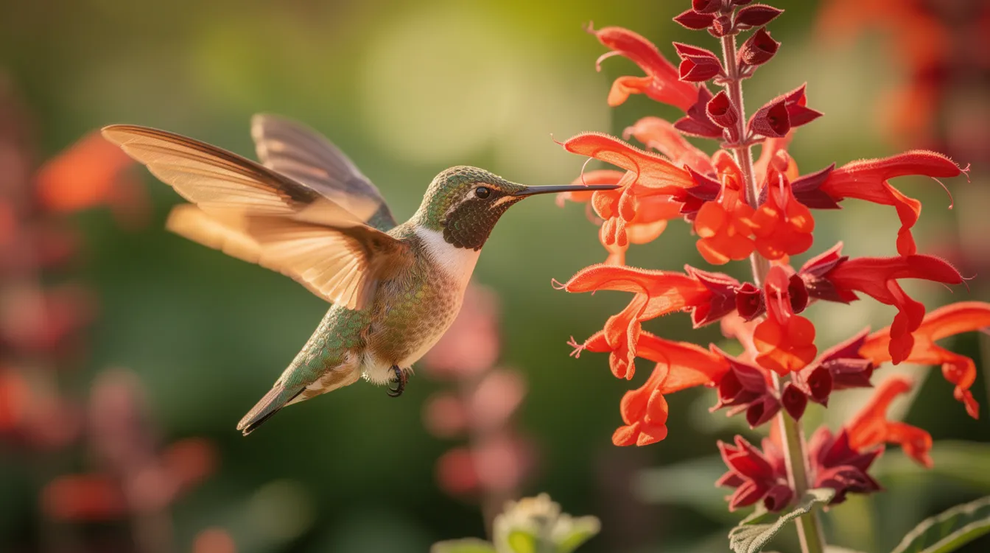
Autumn sage is one of the most reliable fall-blooming perennials you can grow in Oklahoma, and it was practically designed for tiny home gardens. This compact plant typically reaches 18–24 inches tall with a similar spread, producing tubular flowers in shades of red, pink, coral, and white from spring through fall. It’s native to the arid rocky slopes of the Chihuahuan Desert in the southern U.S. and northern Mexico, which means it’s built for heat and drought.
Why It Stands Out
Autumn sage delivers continuous blooms from spring through fall with minimal water needs. Unlike many perennials that give you a single flush of flowers and then quit, this plant keeps producing waves of color, especially when cooler nights arrive in fall. Cut back salvias in midsummer for a second bloom, and you’ll see an impressive flush of fresh flowers right when your garden needs it most.
Fall-blooming salvias include S. leucantha and S. farinacea as related options, but Salvia greggii remains the top pick for tiny spaces because of its naturally compact habit.
Best For
Tiny home owners seeking low maintenance color that attracts hummingbirds. If you’ve ever wanted hummingbirds buzzing around your deck or patio, this is the plant to get it done. The tubular flowers are highly attractive to hummingbirds, and the fragrant green foliage is typically deer-resistant.
Key Strengths
- Heat tolerance that handles Oklahoma’s worst late summer days
- Compact plant size of 18–24 inches, perfect for containers or small beds
- Long bloom period from spring through fall
- Hummingbird and pollinator magnet
- Works well in a xeriscape garden or low-water landscape
Possible Limitations
In northern Oklahoma (Zone 6a/6b), winter lows can damage stems. Mulching the base helps, and container-grown plants can be moved near the house for protection. This plant requires well drained soil and won’t tolerate consistently wet conditions. Water salvias less in winter to help them overwinter successfully. Root rot is the primary killer, not cold.
2. Pink Muhly Grass (Muhlenbergia capillaris)
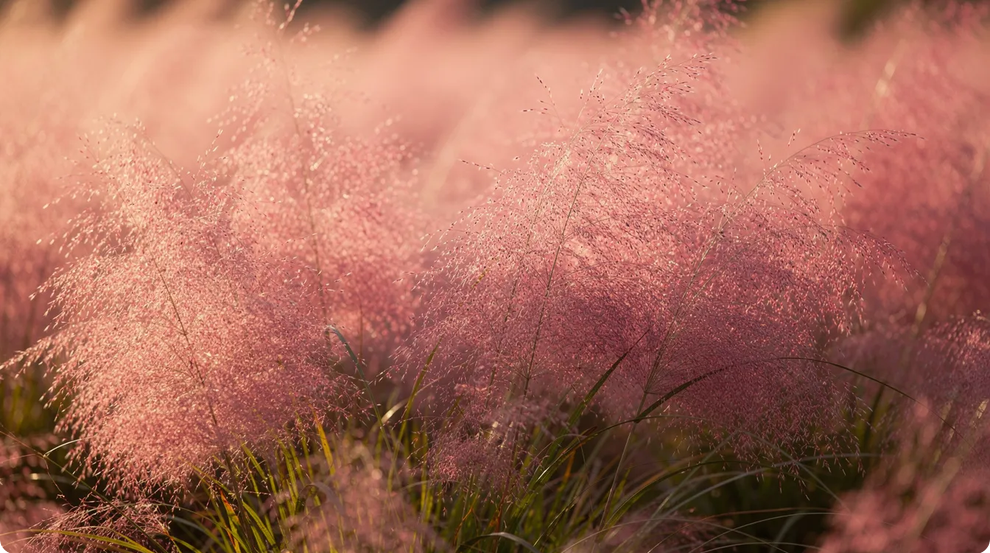
Pink muhly grass is a native warm-season ornamental grass that delivers one of the most dramatic fall displays you can find in Oklahoma. From September through October, it erupts in smoky pink plumes that seem to float above the plant’s fine-textured foliage, creating an effect that’s hard to match with any flowering plant.
Ornamental grasses flower in fall, adding movement to gardens, and pink muhly grass does this better than almost any other species in its size range.
Why It Stands Out
Nothing else creates this kind of visual impact for the space it occupies. The pink flower clouds catch light beautifully in the low-angle fall sun, and the plumes persist into November, providing weeks of interest. Oklahoma State University’s ornamental grass guide features this species as an excellent choice for fall interest.
Best For
Tiny home gardens needing vertical interest and movement. At 30–36 inches tall when blooming, pink muhly grass adds height without width, making it an excellent plant for the back of a small bed or as a standalone specimen in a large container.
Key Strengths
- Native to Oklahoma and adapted to local conditions
- Very drought tolerant once established
- Provides three-season interest (green foliage in summer, pink plumes in fall, seed heads in winter)
- Low maintenance with virtually no pest or disease problems
- Works in poor soils as long as drainage is adequate
Possible Limitations
This grass dies back completely in winter, leaving no evergreen interest. Young plants take 1–2 years to reach full plume production, so don’t expect the dramatic display in year one. In containers, it may need a pot at least 14–16 inches in diameter to develop properly. It generally doesn’t spread aggressively from rhizomes, but may self-seed in ideal conditions. The seed heads that persist through winter can be left for birds or cut back in late winter before new growth emerges.
3. Fall Blooming Asters
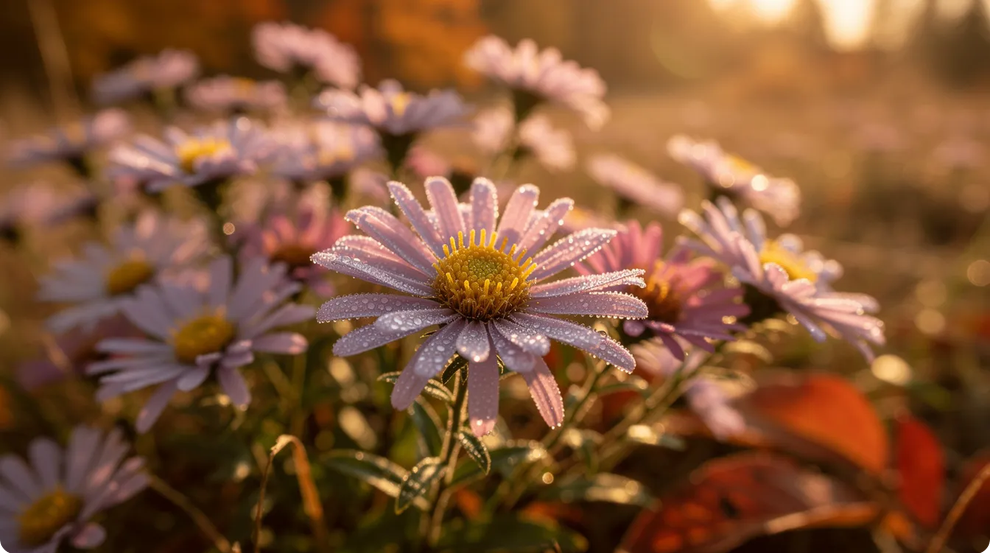
Native fall-blooming asters are among the most important late-season flowers in Oklahoma, both for their beauty and their ecological value. Species like aromatic aster (Symphyotrichum oblongifolium) and sky blue aster (S. oolentangiense) produce masses of daisy-like flowers in purple, blue, and white blooms from September through November.
Asters bloom in fall, adding blue and purple colors to the garden at a time when most other plants are winding down. This alone makes them essential for extending your tiny home garden’s season.
Why It Stands Out
When most perennials have finished blooming and annuals are starting to look tired, asters are just hitting their peak. They provide true fall color in shades that complement the warm tones of changing leaves and garden mums, creating a more nuanced palette than you’d get from fall flowers alone.
Best For
Tiny home pollinator gardens and anyone wanting a natural wildflower look. Asters are critical late season nectar sources for bees, butterflies, and other pollinators that need fuel before winter. Monarch butterflies in particular benefit from late-blooming asters during their fall migration through Oklahoma.
Key Strengths
- Multiple native species available, perfectly adapted to Oklahoma’s climate
- Outstanding pollinator value, supporting bees, butterflies, and birds
- Self-seeding habit means new plants appear naturally each year
- Most species stay in the 1.5–3 foot height range
- Tolerant of a wide range of soil types
Possible Limitations
Asters bloom in fall and require spring pruning to keep them compact and prevent flopping. Prune asters in spring to keep them tidy and encourage bushier growth. Some species can spread via rhizomes or self-seeding, which in a tiny garden means you may need to thin them. They’re susceptible to powdery mildew in shady, damp conditions, so plant them in full sun with good air circulation. In containers, root restriction can reduce bloom quantity, so give them at least a 12-inch pot.
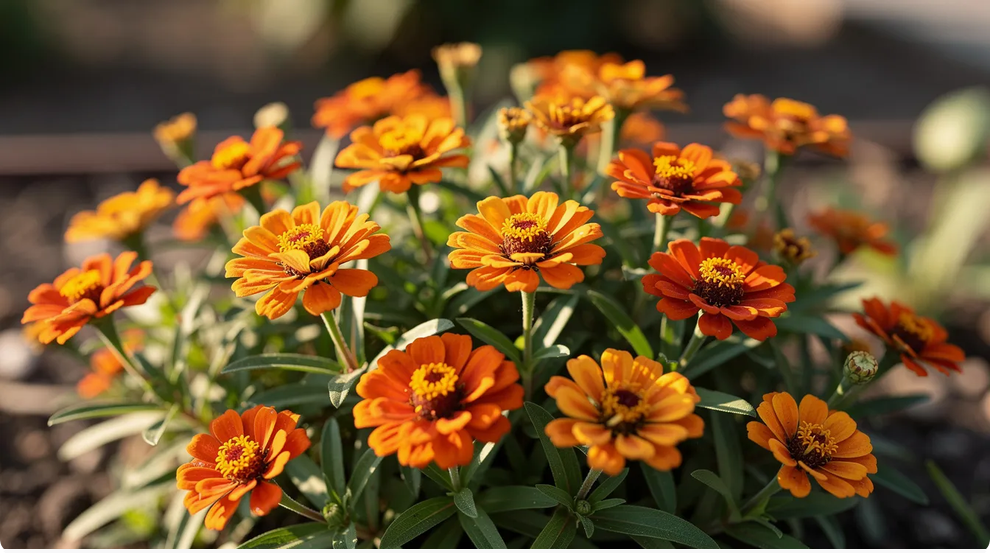
4. Mexican Zinnia (Zinnia angustifolia)
Mexican zinnia is a compact annual that solves one of the biggest frustrations Oklahoma gardeners face: powdery mildew. While common zinnias (Zinnia elegans) often look miserable by fall thanks to fungal disease problems, Mexican zinnia shrugs off mildew entirely and keeps pumping out flowers until hard frost shuts it down.
Why It Stands Out
This is the mildew-resistant alternative to common zinnias, and it blooms continuously from early summer through the end of the fall season without skipping a beat. At just 10–12 inches tall, it’s perfectly proportioned for containers, window boxes, and the front edge of small beds. The flowers come in warm shades of orange flowers, yellow, and white, creating a cheerful display that lasts for months.
Best For
Tiny home container gardens and anyone who wants reliable annual color without constant maintenance. This is a true set-it-and-forget-it bedding plant for fall.
Key Strengths
- Outstanding disease resistance, especially to powdery mildew
- Compact 10–12 inch height, ideal for containers and small spaces
- Continuous blooming from early summer through first frost
- Excellent heat tolerance that handles Oklahoma’s worst days
- Attracts butterflies and other pollinators
- Works beautifully in a mixed border with taller perennials behind it
Possible Limitations
As an annual, Mexican zinnia requires replanting every year. It needs full sun for best performance, with at least 6 hours of direct light daily. In partial shade or light shade, flower production drops significantly. Seeds may not come true to type if you’re growing hybrid varieties, so purchasing new plants or seed each spring from local nurseries is often the better route.
5. Garden Mums (Chrysanthemum varieties)
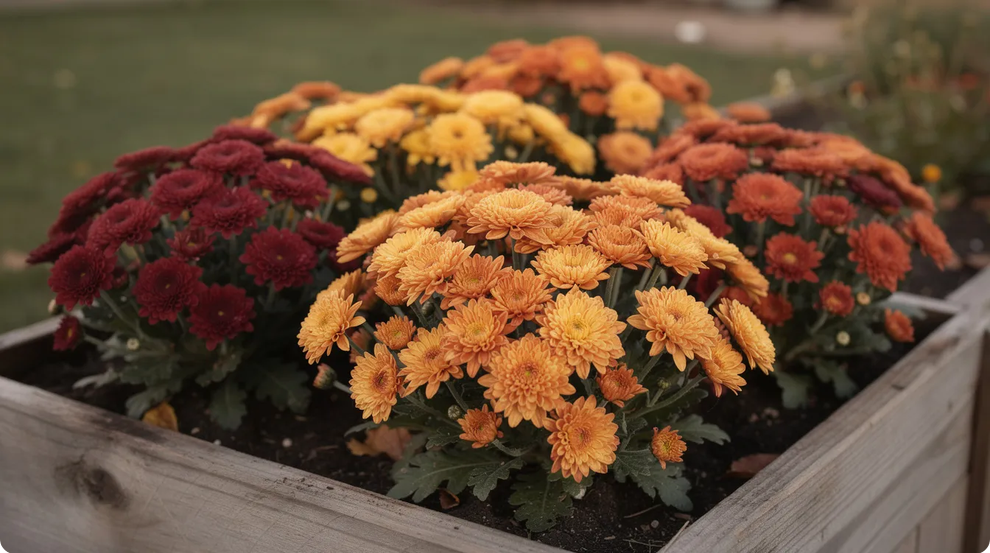
Chrysanthemums are popular fall flowers that provide vibrant colors, and for good reason. They’re the quintessential autumn flower, available in virtually every warm color you can imagine: burgundy, gold, bronze, rust, pink, white, and dozens of shades in between. But there’s an important distinction that many gardeners miss.
True garden mums bloom in fall, unlike store-bought varieties that are often forced into bloom in greenhouses and sold as disposable decoration. True garden mums bloom in fall, not just ball-shaped varieties from the grocery store checkout line. Hardy garden mums, when planted properly, are perennials that return year after year in Oklahoma’s Zones 6–8.
Why It Stands Out
No other fall flower gives you the sheer range of colors and flower forms that mums offer. From tight pompons to loose daisies to spidery quills, there’s a mum shape for every taste. And unlike florist mums that fade within weeks, hardy garden varieties provide a reliable perennial border anchor that improves each season.
Best For
Tiny home owners wanting traditional fall color with perennial reliability. If your idea of fall includes rich, warm-toned flowers mounding over the edges of containers or bed borders, mums deliver that aesthetic perfectly.
Key Strengths
- Widest color range of any fall flower
- Perennial in Oklahoma when hardy varieties are chosen
- Fall-specific blooming triggered by shorter days and cooler nights
- Cold tolerant once established
- Available in compact mound forms (12–18 inches) perfect for tiny gardens
Possible Limitations
Mums should be planted in well drained soil to prevent root rot, which is their biggest killer in Oklahoma’s clay-heavy soils. For best fall shape, they benefit from pinching back new growth in early summer through midsummer, which requires some attention. Some varieties sold at garden centers are not winter hardy and will die after their first season. To improve overwintering odds, plant mums in the ground in spring or early summer rather than buying them in full bloom in October. Adding organic matter and peat moss to heavy clay soil improves drainage significantly.
6. Globe Amaranth (Gomphrena globosa)
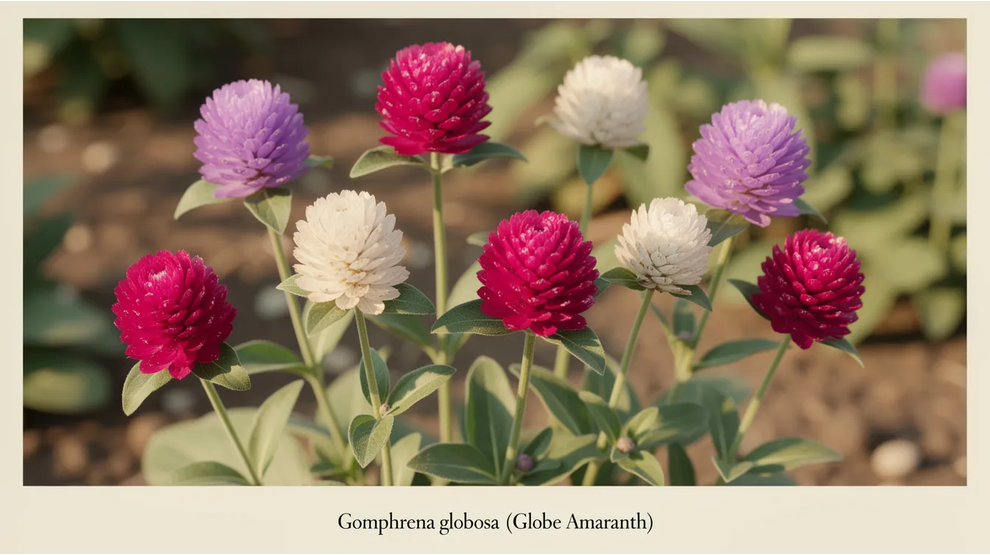
Globe amaranth is a heat-loving annual that absolutely thrives in conditions that would stress most other plants. Oklahoma’s brutal late summer heat? Globe amaranth loves it. Drought? No problem. Poor soils? It doesn’t care. This is one of the toughest annuals you can grow, and its unique globe-shaped flowers in purple, pink, white, and red add a texture that’s completely different from anything else on this list.
Oklahoma State University includes globe amaranth on its drought-tolerant plant selections list, and it’s earned that recognition.
Why It Stands Out
Extreme heat and drought tolerance combined with unique flower form make globe amaranth a standout for Oklahoma tiny home gardens. The globe-shaped blooms are also excellent for cut flower arrangements and dried flower crafts, so they pull double duty as garden plants and indoor decor. The flowers hold their color when dried, making them one of the best options for arrangements that last months.
Best For
Tiny home xeriscaping and cutting gardens. If you want flowers you can enjoy both outdoors and in vases inside your tiny home, globe amaranth is the answer. It also works well in a drip irrigation setup, requiring only occasional water once established.
Key Strengths
- Outstanding heat tolerance, thriving when temperatures climb above 95°F
- No serious pest or disease problems
- Excellent cut flower that also dries beautifully
- Attracts bees, butterflies, and other pollinators
- Compact varieties stay at 12–18 inches, fitting easily in containers
Possible Limitations
As an annual, globe amaranth needs replanting every year. Seeds may not always come true to type with hybrid selections, so purchasing starts from local nurseries each spring gives more reliable results. While it tolerates poor soils, it does need full sun to perform well. In full shade or even heavy afternoon shade, bloom production drops off noticeably.
7. Gaura (Oenothera lindheimeri)
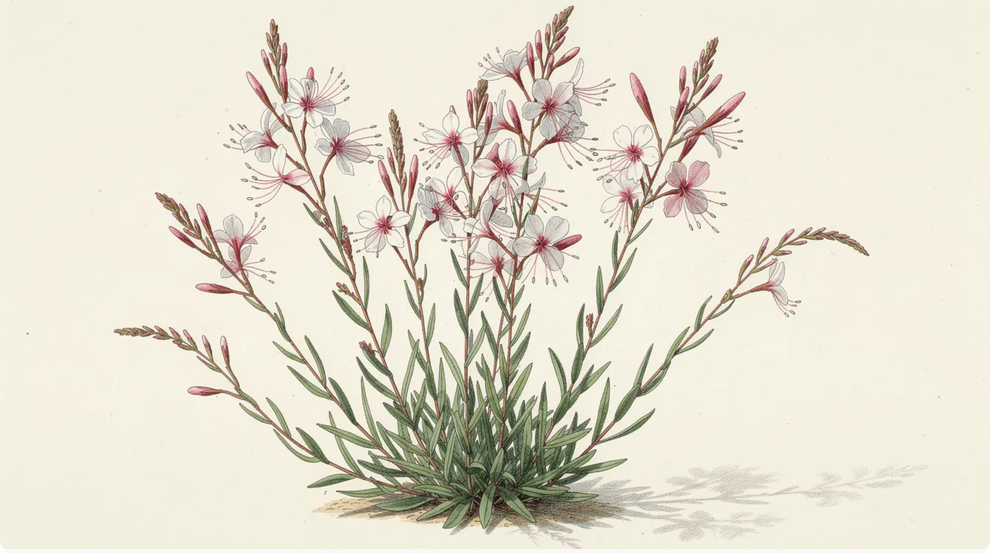
Gaura is a native perennial that looks nothing like the other plants on this list, and that’s exactly why it belongs here. Its slender stems carry delicate pink or white butterfly-like flowers that dance and bob in even the slightest breeze, creating a sense of movement and airiness that transforms small spaces. It’s native to the Texas and Oklahoma region, making it superbly adapted to local conditions.
Why It Stands Out
In a tiny home garden where every plant needs to earn its space, gaura provides something no other flower can: graceful movement. The airy, wand-like stems loaded with small flowers create a living texture that softens hard edges around tiny homes, decks, and patios. It blooms from late spring through fall, often continuing until hard frost.
Best For
Tiny home gardens needing texture and continuous subtle color. Gaura isn’t a bold splash of color like mums or globe amaranth. Instead, it’s the elegant connecting element that ties a small garden composition together.
Key Strengths
- Native to the Texas/Oklahoma region, extremely well adapted
- Among the most drought tolerant perennials available
- Long bloom period from late spring through fall
- Deer resistant
- Attracts butterflies and hummingbirds
- Creates an effect of a great plant that looks much more expensive and complicated than it is
Possible Limitations
Gaura can self-seed aggressively in ideal conditions, which in a tiny garden means you may find seedlings popping up in unwanted spots. Pull them while small or enjoy the free new plants. In rich, moist soil or with too much fertilizer, stems can flop and become leggy. A spot with lean soil and full sun produces the most compact, upright growth. Some varieties benefit from light staking or being planted near other plants that provide support. The taproot makes container growing possible but transplanting difficult once established.
Quick Comparison of the Best Fall Flowers
Here’s a side-by-side look at how each plant stacks up for tiny home gardens across Oklahoma.
Flower | Best For | Height | Container Friendly | Water Needs | Perennial/Annual |
|---|---|---|---|---|---|
Autumn Sage | Consistent color + hummingbirds | 18–24 in | Excellent | Low | Perennial |
Pink Muhly Grass | Dramatic fall statement + native habitat | 30–36 in | Good (large pot) | Very Low | Perennial |
Fall Asters | Late-season pollinator support + wildflower look | 18–36 in | Good | Moderate | Perennial |
Mexican Zinnia | Disease-free annual color in containers | 10–12 in | Excellent | Low–Moderate | Annual |
Garden Mums | Traditional fall display + perennial reliability | 12–24 in | Good | Moderate | Perennial |
Globe Amaranth | Extreme heat tolerance + cut flowers | 12–18 in | Excellent | Very Low | Annual |
Gaura | Delicate texture + extreme drought conditions | 24–36 in | Good | Very Low | Perennial |
A few other plants deserve honorable mentions for Oklahoma gardens. Black-eyed Susan blooms produce rich colors and extend into autumn, making them a solid addition if you have the space. Sedum is exceptionally drought-tolerant and its flowers transition color in fall, shifting from pink to russet to bronze, which makes sedum ‘Autumn Joy’ an excellent plant for containers. Mexican bush sage flowers in fall and is drought tolerant, providing purple spikes that pair beautifully with the warmer tones of mums and asters. And blanket flower is Oklahoma’s state wildflower, blooming in fall with fiery red and yellow petals. Allow seed heads of Gaillardia (blanket flower) to dry for reseeding so you get free plants next year. |
Compact cultivars of goldenrod, like ‘Golden Fleece’ at just 12–18 inches tall, also deserve consideration. Their blue green foliage provides a nice backdrop before the golden fall blooms appear, and they’re critical late-season resources for pollinators.
How to Choose the Right Fall Flowers for Your Tiny Home Garden
Having seven good options is great, but narrowing them down to the two or three that work best for your specific situation is what really matters. Here’s how to decide.
Choose Based on Space Constraints
In a tiny home garden, every square foot counts. Start by measuring your actual available growing area, including ground-level beds, vertical surfaces, and spots where containers can sit.
For gardeners working with less than 20 square feet of total growing space:
- Prioritize the most compact plant options: Mexican zinnia (10–12 in), globe amaranth (12–18 in), and compact mum varieties (12–18 in)
- Use containers in the 10–14 inch diameter range for annuals and smaller perennials
- Reserve one large container (16+ inches) for a statement plant like pink muhly grass or gaura
- Avoid plants that spread by rhizomes or self-seed heavily unless you’re willing to edit aggressively
For container growing in mobile tiny home setups:
- Choose lightweight potting mix with excellent good drainage rather than heavy garden soil
- Avoid terracotta pots in full sun locations where they’ll dry out within hours
- Group containers together to create a microclimate that retains moisture slightly longer
- Consider vertical growing options like tiered plant stands that stack multiple containers in the footprint of one
Autumn sage and globe amaranth are the most container-friendly options on this list. Both handle the faster drying cycle of pots and stay compact without pruning, fitting naturally into tiny living tips and ideas for your tiny house journey.
Choose Based on Oklahoma’s Climate Zone
Where you are in Oklahoma matters more than most gardeners realize. The difference between Zone 6a in the northern panhandle and Zone 8a in the southeastern corner translates to significantly different growing conditions.
Northern Oklahoma (Zones 6a–6b)
- First frost arrives earlier, sometimes by mid-October
- Winter lows can drop below -10°F, stressing borderline perennials
- Autumn sage and gaura may need winter mulching or container protection
- Hardy mums and asters are the most reliable perennial choices
- Pansies and violas thrive in Oklahoma’s cooler months and tolerate freezing temperatures, making them useful companions to extend color after fall flowers finish
Central Oklahoma (Zone 7a–7b) — an area with several tiny house communities in Oklahoma for downsized living
- The sweet spot for most plants on this list
- Growing season of 200+ days gives fall flowers plenty of time
- All seven recommended species perform well here
- Oklahoma can establish cool-season color and hardy perennials in autumn, so fall planting of perennials is practical
Southern/Southeastern Oklahoma (Zone 7b–8a) is also popular for custom tiny homes and small-space living
- Longer growing season with mild winters means more perennial options survive
- Summer heat is more intense and lasts longer
- Globe amaranth, autumn sage, and gaura particularly excel here
- Even Mexican bush sage flowers in fall and is drought tolerant enough for this region
Late summer and early fall can still bring 95°F+ days regardless of your zone. Every plant on this list handles this heat, but providing afternoon shade during the hottest weeks of late September and early October helps container plants in particular.
Choose Based on Maintenance Level
Be honest about how much time you’ll spend in the garden. Tiny home living often means you’re busy with other things, and a garden that demands daily attention quickly becomes a burden rather than a joy, especially when you’re also navigating all the other facets of tiny houses, small-scale living, design, and communities.
Lowest maintenance options:
- Globe amaranth and gaura require almost nothing beyond occasional watering
- Pink muhly grass needs only an annual cutback in late winter
- Once established, these plants handle themselves through Oklahoma’s variable fall weather
Moderate maintenance:
- Autumn sage benefits from midsummer pruning and occasional winter protection
- Fall asters need spring pruning and benefit from thinning every few years
- Garden mums require summer pinching for best fall shape
Watering considerations:
A drip irrigation system, even a simple soaker hose on a timer, eliminates the biggest maintenance task for container gardens. All seven plants on this list are drought tolerant to varying degrees, but containers still dry faster than ground, especially in strong winds and full sun.
Self-seeding species like asters, gaura, and blanket flower create new plants without effort but may need editing to prevent overcrowding. If you prefer controlled growth, stick with mums, autumn sage, and muhly grass, which stay where you put them, just as thoughtful tiny house plans that fit your life help keep your overall small-space layout intentional.
Which Fall Flower is Best for You?
Still not sure? Here’s a direct recommendation based on what matters most to you.
Choose Autumn Sage if you want reliable perennial color with minimal water needs. It’s the most versatile plant on this list, working in containers, beds, and even as a low hedge along a walkway. The hummingbird attraction is a genuine bonus that adds life and energy to small spaces. It pairs well with other plants in any combination.
Choose Pink Muhly Grass if you prefer native plants with spectacular fall drama. Nothing else matches the visual impact of those pink plumes catching the October sunlight. It’s the best single-plant statement you can make in a tiny garden, and it requires virtually zero care once established. The season-long green foliage is attractive even before the plumes appear.
Choose Fall Asters if pollinator support and natural habitat creation are priorities. These are the workhorses of the fall pollinator garden, providing nectar for monarch butterflies, bees, and other insects when few other sources remain. The purple and blue flowers create brighter colors against fall’s warm backdrop. They’re also a host plant for several butterfly species.
Choose Mexican Zinnia if you need disease-resistant annual color for containers. No mildew, no fuss, no worries. Just continuous blooming from early summer through frost in a tidy 12-inch package. It’s the perfect front-of-container annual and works as a reliable bedding plant anywhere in your landscape.
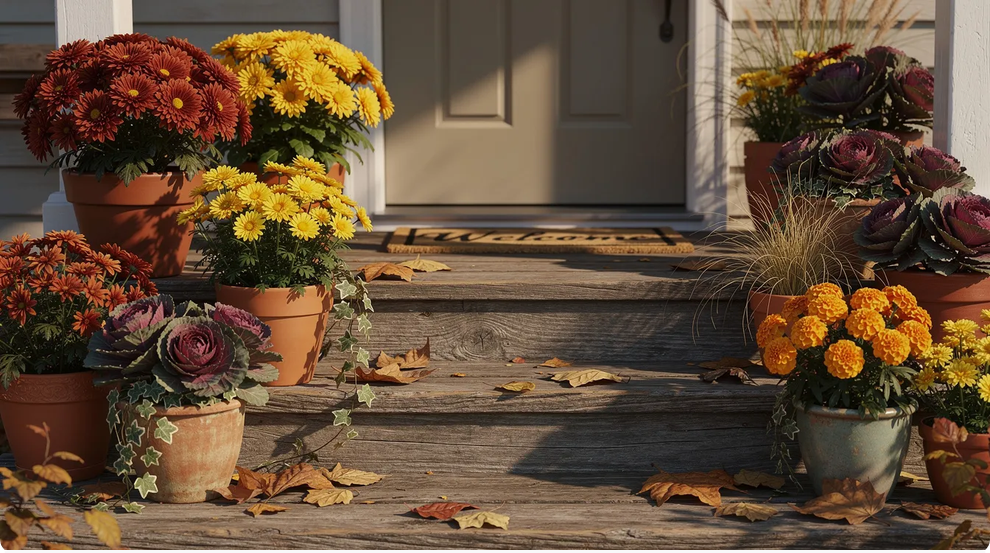
Choose Garden Mums if you want traditional fall aesthetics with perennial reliability. There’s a reason mums are synonymous with fall. Plant hardy varieties in spring for the best results next year, give them well drained soil, and they’ll reward you with increasingly impressive displays each season. They’re highly attractive in containers flanking a tiny home entrance, especially when paired with thoughtfully designed tiny houses that redefine small living.
Choose Globe Amaranth if extreme heat tolerance and cut flowers are important. This is the toughest annual on the list, and the dried flower potential means you’ll enjoy blooms inside your tiny home long after the garden has gone dormant for winter. It handles poor soils and baking sun without complaint.
Choose Gaura if you need the most drought-tolerant option with delicate beauty. Gaura provides movement and texture that no other plant on this list can match. It’s the perfect choice for gardeners who appreciate subtlety and want a natural, prairie-inspired look around their tiny home. Birds are attracted to the seed heads in late fall and winter.
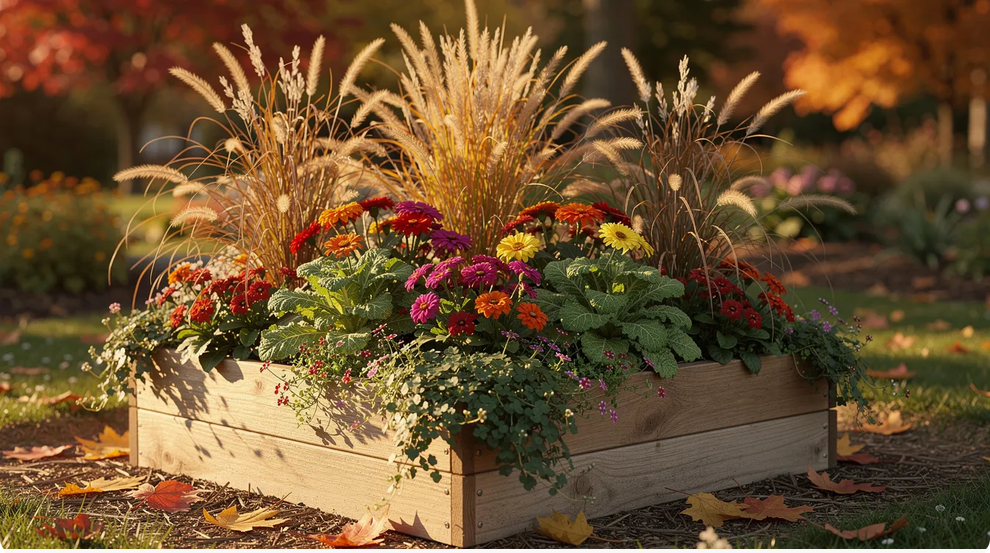
For the most impact in the smallest space, consider combining two or three of these. A classic combination for a tiny home garden: autumn sage for consistent color in front, pink muhly grass for drama in back, and globe amaranth in containers on either side. This gives you flowers from late summer through frost with almost no maintenance, plus hummingbird and pollinator activity all season long, complementing tiny homes that redefine small-space living.
Final Thoughts
Fall flowers in Oklahoma can extend your tiny home garden’s season well into November, transforming a space that might otherwise look bare and tired into something genuinely beautiful. The seven plants covered here represent the best balance of beauty, toughness, and compact size for small-space gardening in Oklahoma’s demanding climate.
The best choice depends on your specific tiny home setup, whether you’re gardening in ground or in containers, how much time you can devote to maintenance, and what matters most to you aesthetically. Some gardeners want the bold statement of pink muhly grass plumes or the classic warmth of chrysanthemums. Others prefer the subtle elegance of gaura or the ecological value of native asters.
Whatever you choose, combining two or three of these options creates layered fall interest that keeps your small space engaging week after week. Plant your perennials in early spring or early summer so they’re established before the heat hits, and add annuals like Mexican zinnia or globe amaranth once the worst of summer’s intensity has passed in late summer. By September, your tiny home garden will be hitting its stride, especially if it surrounds one of the many Home Depot tiny house kits with big possibilities.
Native and adapted varieties consistently perform best in Oklahoma’s challenging climate. They’ve evolved to handle the heat, the drought, the clay soils, and the unpredictable swings between 90°F afternoons and 40°F mornings. Trust the plants that were built for this place.
Start small. Pick one or two species from this list, give them good drainage and full sun, and see what happens. You might be surprised how much color and life a tiny garden can hold when you choose the right plants for the job.