

Introduction to Earthship Living in New York
An earthship is an off-grid, passive solar home built from natural and upcycled materials – car tires packed with rammed earth, liquor bottles, cans – that relies on thermal mass, rainwater harvesting, and renewable energy to operate with 100% sustainability, independent of utility companies. Earthships are designed for almost any climate, but building in new york requires real adaptations to traditional designs due to colder, wetter conditions.
Earthship concepts were pioneered in Taos, new mexico during the 1970s–1980s by architect michael reynolds and his firm earthship biotecture. Decades later, those ideas are being adapted across upstate new york – the Hudson Valley, Adirondacks, Catskills, and Finger Lakes – where high energy costs, aging housing stock, and a strong environmental movement create a natural fit. Consider that 548 million tons of construction debris was generated in 2015 alone; using local recycled materials in construction significantly reduces a home’s carbon footprint and embodied energy. This article covers real ny examples, climate-specific design, legal considerations, and how to visit or start your own project.
Real‑World Earthship & Recycled Homes in New York
Several concrete builds across the state prove that sustainable living with reclaimed materials is more than an idea – it works on the ground in york.
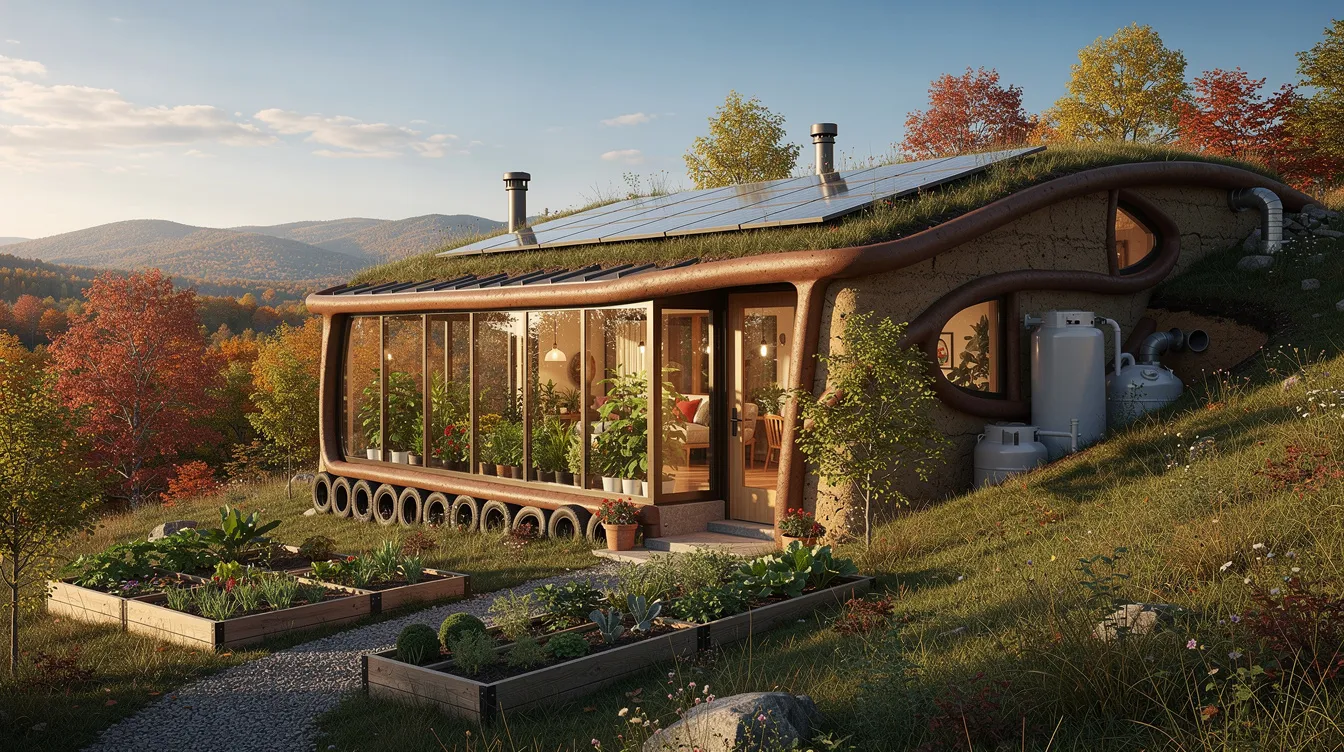
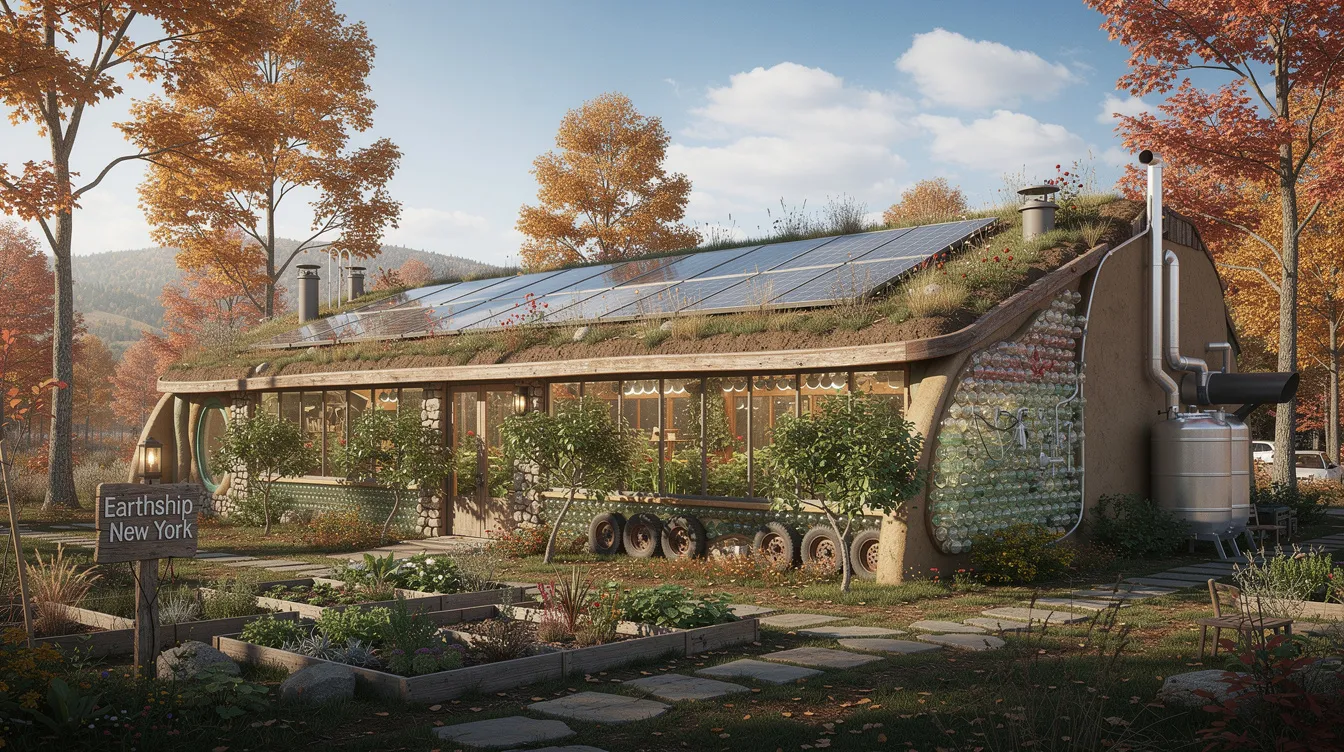
The best-documented example is the cronk earthship home at 119 Ed Hill Road in Freeville, near Ithaca. Property owners chad and Courtney DeVoe worked with earthship biotecture to construct this house, which doubles as a seasonal bed-and-breakfast. Key systems include thick walls of used tires packed with earth for thermal mass, solar panels and geothermal elements for energy, rainwater catchment feeding cisterns, greywater recycling through indoor planters, and an attached greenhouse supporting year-round food production. The B&B is closed roughly November through February – a practical note reflecting the reality of winter nights, snow loads, and reduced solar gain during that season. Visitors can experience the property the rest of the day and stay overnight in its bedrooms.
Beyond 119 Ed Hill Road, other homeowners across the state are building with recycled items. In the Hudson Valley, salvaged barn wood from old farms is a common reclaimed material in renovations. Near Ithaca, experimental bottle-wall projects use old wine bottles set in concrete for accent walls. Recycling in construction now includes everything from tires and mushroom spores (mycelium insulation panels) to reused brick from Brooklyn rowhouses. Building earthships often involves community-supported endeavors – volunteer labor, material donations, shared expertise. Rural areas in upstate ny offer more flexibility for building earthships compared to urban regions, and it’s worth remembering that the greenest homes are often existing structures retrofitted with innovative materials like used tires, not entirely new builds.
Designing an Earthship for New York’s Climate
New York’s humid continental climate – with winter lows regularly reaching -10°F in upstate areas and annual precipitation around 39–40 inches – demands different design choices than desert earthships. Earthships can be adapted to handle this colder climate with specific modifications to insulation, glazing, and moisture control.
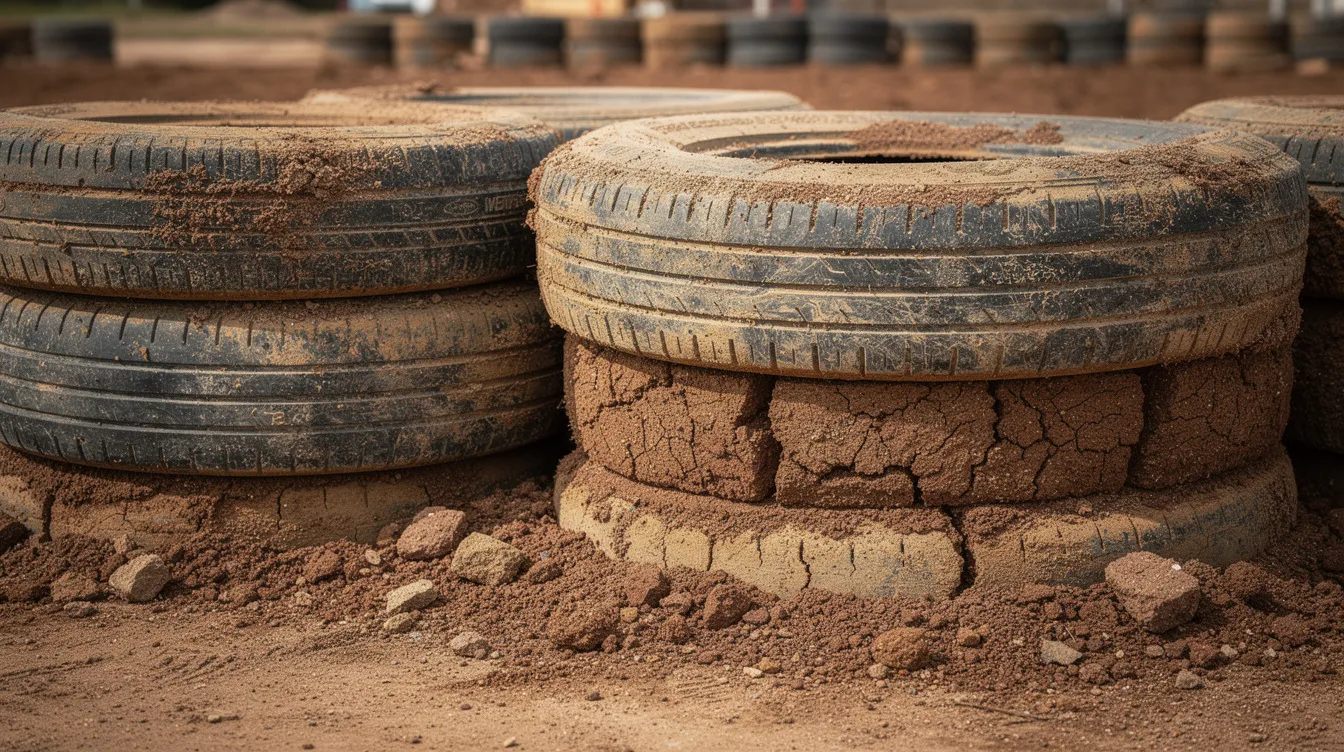
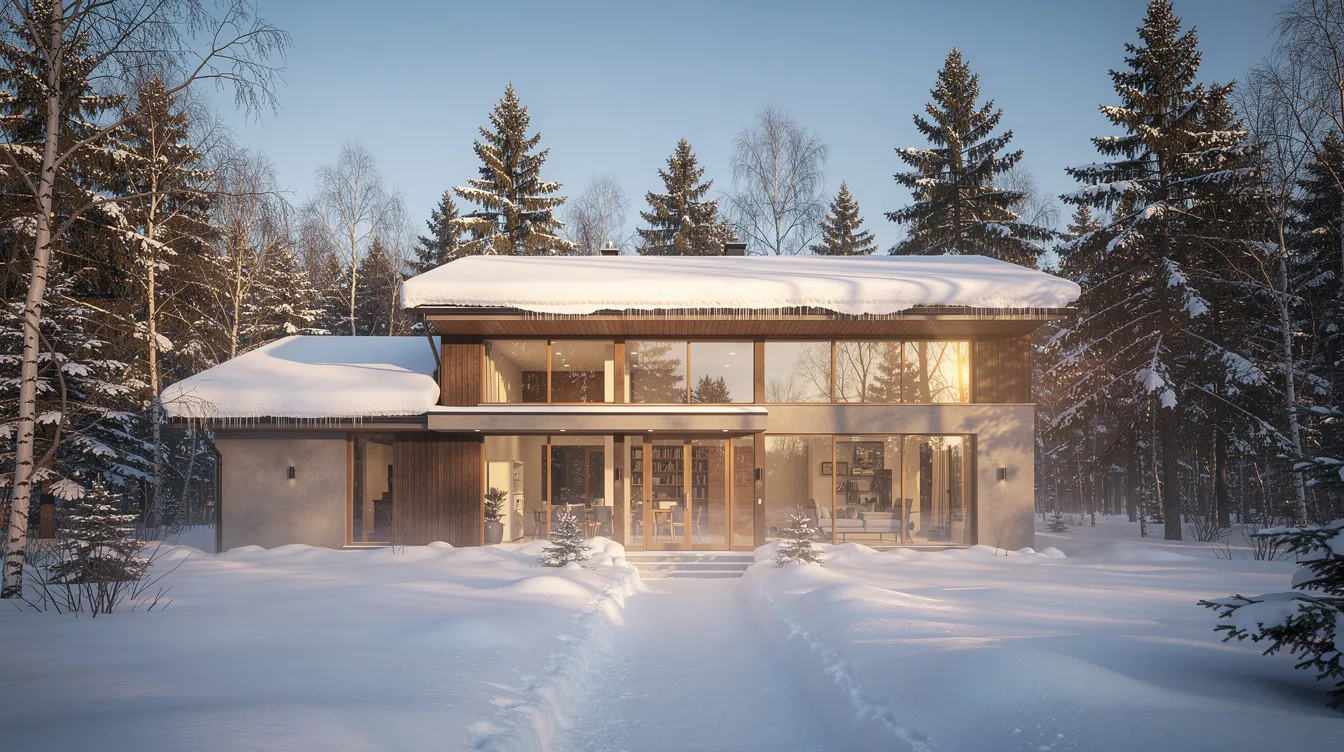
Earthship design incorporates passive solar heating and cooling at its core. Thick earth-bermed walls of rammed tires act as thermal batteries, storing daytime heat and releasing it during sub-freezing nights. Earthships typically feature thick thermal mass walls – sometimes three feet deep – to regulate indoor temperatures. The Unity Earthship, for example, features U-shaped rooms surrounded by thermal mass for maximum efficiency. Earthships also feature large south-facing glass walls to capture solar heat at low winter sun angles, while overhangs block excess gain in summer. Roof angles must be engineered to shed snow; New York State’s 2024 Residential Code specifies ground snow load values up to 140 psf in heavy-snowfall areas like the Adirondacks and Tug Hill Plateau.
Successful earthship designs in new york include high-performance insulation and moisture control. Builders add rigid foam outside tire walls and under floors because thermal mass alone won’t cut it at -20°F. Earthships harness solar and wind energy to generate power, while earthships utilize modern ventilation systems to improve indoor comfort in variable climates. Global Model Earthships use underground cooling tubes for ventilation, and operable skylights create stack-effect airflow. Earthships often face challenges in humid climates due to moisture management needs, so HRV/ERV mechanical ventilation is common in the area. Coastal new york sites (Long Island, NYC) add flood zone, high water table, and hurricane-wind considerations that influence foundation and glazing choices compared to upstate locations.
Materials, Systems, and Sustainability Features
Many earthship-style homes in ny are constructed from roughly 40–50% recycled or upcycled materials alongside conventional components. Recycling construction materials reduces embodied energy in homes and cuts waste headed to landfills.
Typical recycled materials include:
- Used car tires from local auto shops, packed with rammed earth for retaining and thermal mass walls
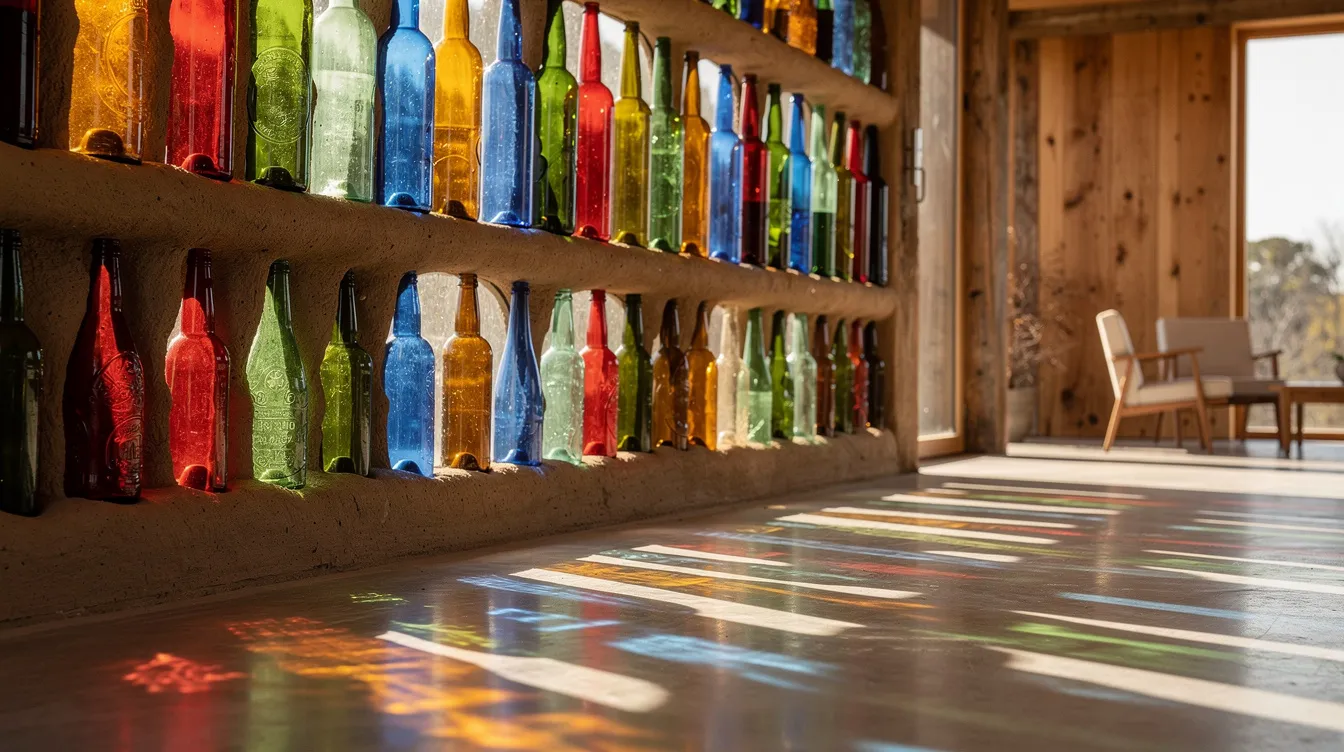
- Glass bottles and cans from recycling streams, set in concrete for interior partitions or accent walls
- Reclaimed barn beams, siding, and wood flooring from architectural salvage and deconstruction programs
- Salvaged doors and windows from yards in Albany, Rochester, or New York City
Energy systems in a new york earthship typically include solar photovoltaic arrays sized for shorter winter days, with battery storage for energy management – battery banks must be insulated or sheltered, as cold reduces performance. Optional grid-tie connections serve as backup during long cloudy stretches; some homeowners add a wood stove or high-efficiency mini-split for the coldest nights. Earthships aim for independence from utility companies, and after construction, earthships have no operating costs in the traditional sense – no heating, cooling, or water bills.
Water systems route rainwater from metal or membrane roofs through filtration and UV treatment into cisterns. Earthship designs include features for indoor gardening using greywater – shower and sink water flows through planter cells, then to toilet flushing, then to outdoor irrigation. Wastewater systems must comply with new york health codes, typically requiring constructed wetlands or botanical cells with engineer sign-off. This lifecycle approach delivers a lower operational carbon footprint and real resilience during winter grid outages common across rural upstate new york.
Legal Considerations, Costs, and How to Get Involved
Earthships must comply with local building codes when constructed in new york. The state follows the International Residential Code with amendments, meaning earth-rammed tire walls and unconventional systems nearly always need an engineer’s stamp. Contact your local building department early – especially in rural upstate towns where officials may be unfamiliar with the concept. Be prepared with structural calculations, fire safety details, and septic or greywater designs.
Earthships cost about $350 to $425 per square foot for a Global Model. The Encounter Earthship costs 30% less per square foot than the Global Model, while the Refuge Earthship is the lowest cost model, designed with low-cost materials and techniques. Custom earthship-inspired homes in new york can match conventional custom home costs per square foot, but long-term operating savings on energy and water shift the budget equation over time; for some people, earthship tiny homes for sustainable living offer a smaller, more affordable path into this lifestyle. Site work – excavation, drainage, blasting in rocky upstate land – adds real expense.
Practical steps to get involved:
- Book a stay at 119 Ed Hill Road (open spring through fall) to experience an earthship first-hand
- Attend hands-on workshops or volunteer on builds through earthship biotecture or regional natural-building networks
- Research NY State deconstruction and reuse programs to source reclaimed materials for your own project
- Connect with permaculture groups and natural building communities active across the state, from the Finger Lakes to the Hudson Valley
As building codes evolve and climate concerns intensify across the country and the world, earthship and earthship-inspired designs are likely to become more common across new york – from Brooklyn brownstone retrofits to new studio builds in the Adirondacks. The future of sustainable living in the Empire State may well be built, in part, from what people once threw away. If you read this far, leave a comment, share this post, and start exploring what’s possible on your own lot of land.