
If you’re searching for Earthship homes in Washington state, you’re likely drawn to the idea of a self-sufficient, off-grid dwelling that runs on sunlight, catches its own rain, and grows food inside its walls. Washington has few true Earthships due to its climate and building codes, but the Pacific Northwest’s environmental ethos and dramatic landscapes make it one of the most compelling places to explore this radical approach to sustainable home design. Here’s everything you need to know about where to find Earthships in Washington, what makes them work (and what makes them challenging here), and how to start your own journey toward off-grid living.
Ready to learn more? Keep reading for locations, costs, building realities, and the resources you need to experience or build an Earthship in Washington.
Earthship Credibility in the Pacific Northwest
Earthships aren’t a fringe experiment – they’re backed by more than five decades of innovation, testing, and real-world construction across the globe.
- 50+ years of development: Michael Reynolds and Earthship Biotecture have been refining these off-grid structures since the early 1970s in Taos, New Mexico, creating a proven model for self-sufficient living.
- Global Model Earthships have been built in multiple countries, from arid deserts to temperate European climates, demonstrating that these homes can be adapted to work in a wide range of environments worldwide.
- Recognized sustainable architecture: Earthship designs align with passive building principles, including PHIUS+ and Zero Energy Ready Home standards that Washington state formally recognizes under its WAC energy code provisions.
- Climate-analogous proof: The Brighton Earthship in the UK – built between 2002 and 2006 in a cool, overcast, rainy climate similar to Western Washington – has operated completely off-grid for years, handling its own heating, electricity, water, and sewage across a 134 m² (roughly 1,442 sq ft) footprint. Monitoring data confirms it moderates external temperature swings effectively, though extended overcast periods can require supplemental heat. This provides a direct, data-backed reference for what an Earthship can achieve in Cascadia’s climate.
Why Washington is Perfect for Earthship Living
Washington’s natural environment and culture create a unique foundation for Earthship construction – though the state also presents real challenges that any prospective owner should account for.
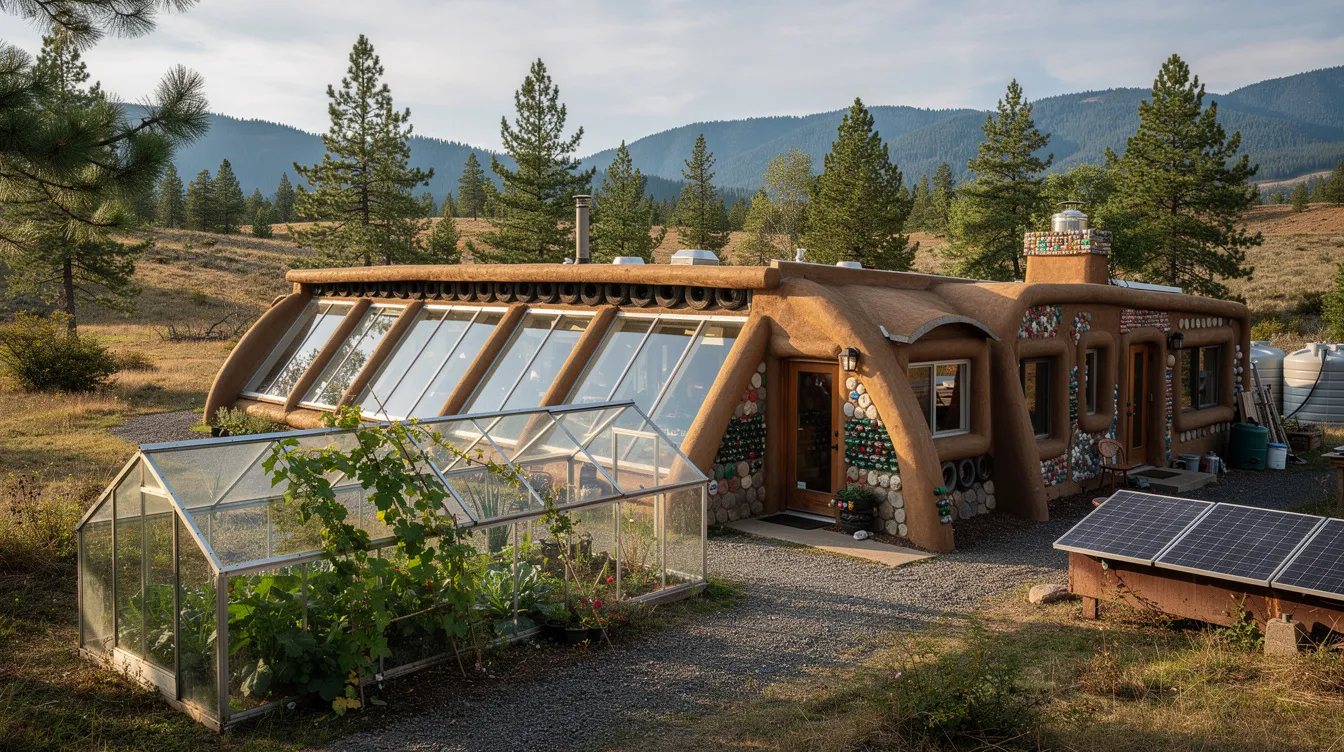
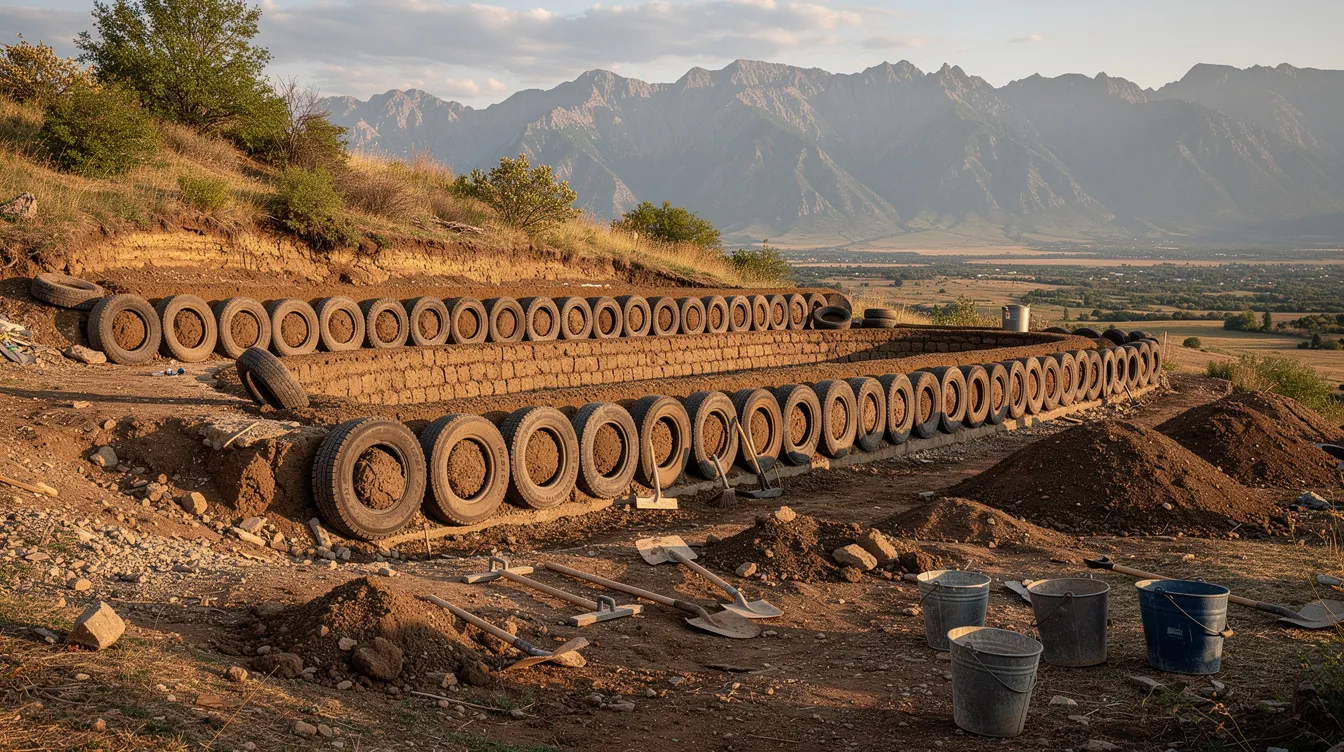
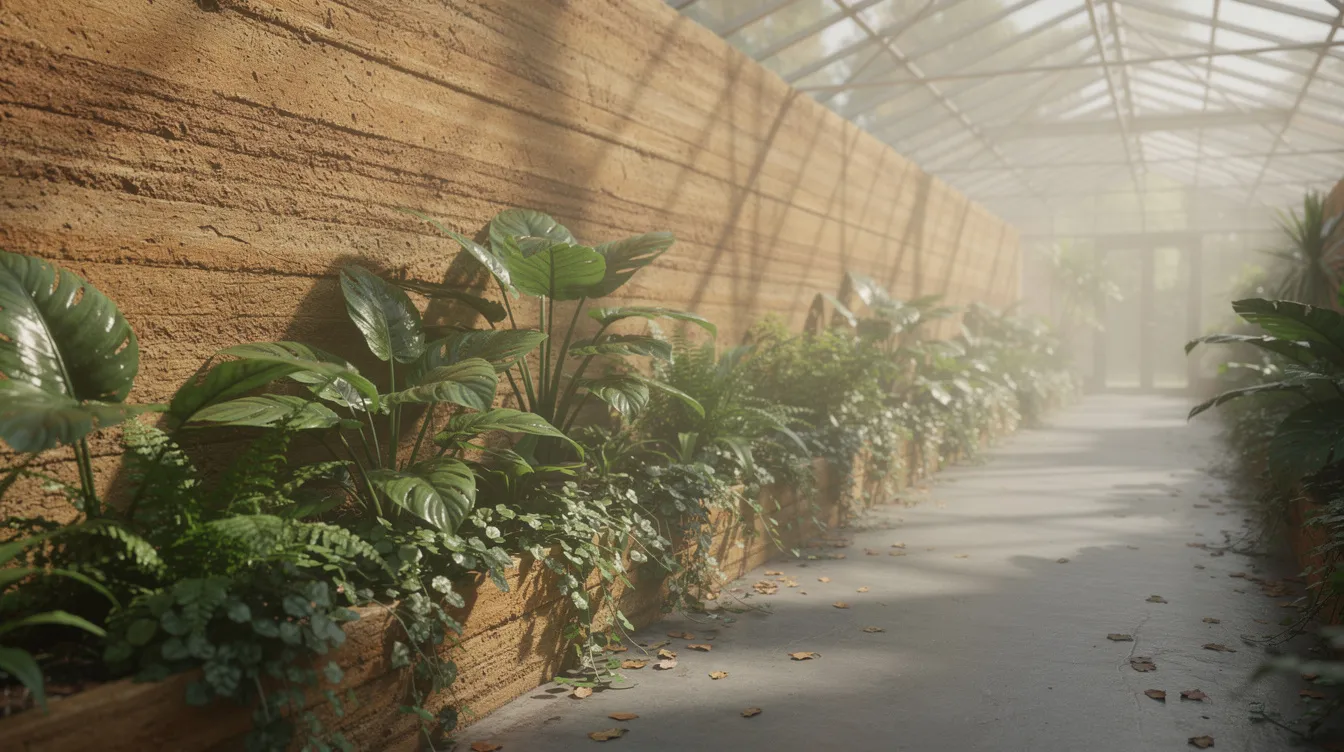
Climate alignment with thermal mass design. Western Washington’s mild winters and moderate summers mean Earthship thermal mass walls – typically earth-filled tires packed to roughly one meter thick – don’t face the extreme temperature swings that stress conventional construction. Rammed-earth walls in Earthships provide excellent thermal insulation properties, and the temperate climate helps maintain stable indoor temperatures year-round. Eastern Washington, with its more pronounced diurnal temperature variation and greater sunshine, offers even stronger conditions for passive solar gain.
Abundant rainfall for water catchment. Earthships are designed to catch and reuse all necessary water from local sources, and Seattle’s 37–40 inches of annual precipitation – with some regions receiving even more – makes rainwater harvesting highly viable. A large collection surface paired with proper storage can supply a complete household.
Strong environmental consciousness. Washington people have a deep-rooted commitment to sustainability, renewable energy, and conservation. The state’s energy codes and building incentives increasingly support zero-energy and passive design approaches, creating a policy environment that’s philosophically aligned with the Earthship mission.
Rural flexibility for alternative construction. Rural counties across the state – particularly in eastern Washington – often have less restrictive planning and permitting processes. This can make it more feasible to construct an unconventional property using recycled materials like tires, cans, and glass bottles.
The honest challenge: Earthships are less effective in Washington due to frequent cloud cover and low sunlight, especially in western portions of the state. Traditional Earthships rely on passive solar design and do not typically use conventional HVAC systems, so the reduced solar gain during long cloudy stretches is a real design consideration. Moisture management is critical for Earthships due to the wet climate in Washington – modified designs with enhanced insulation, vapor barriers, and dehumidification systems are essential.
Earthship Locations and Experiences in Washington
For some Washington residents, starting with more conventional small-footprint housing options can be a bridge toward Earthship living, and exploring the best small homes in Washington state can clarify what size, budget, and level of mobility make sense before committing to an off-grid build.
Existing Earthships in Washington State
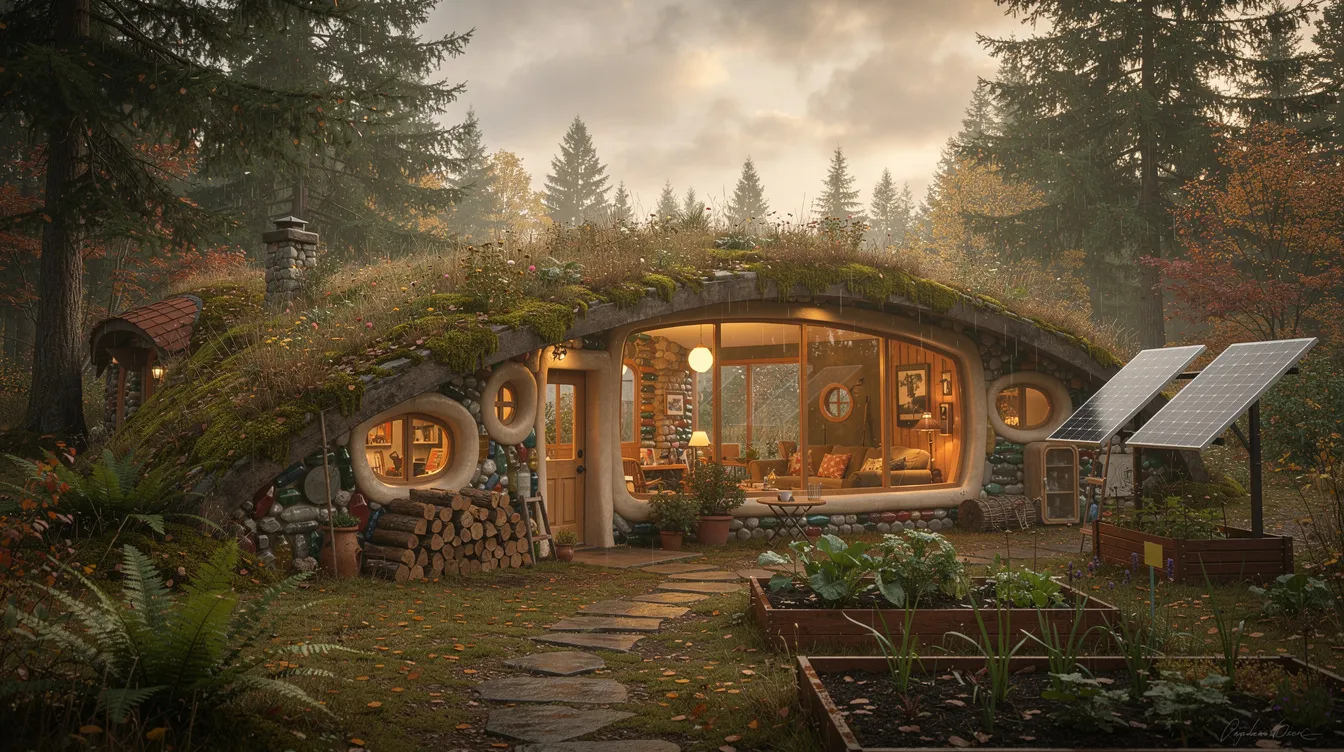
Washington has few true Earthships, and none are currently operating as public tour sites or commercial attractions. Known builds are primarily private residences in rural counties – owner-built homes tailored to site-specific conditions on individual plots of land. Earthships are usually owner-built and tailored to site-specific conditions, which means each one reflects its creator’s vision and the specific demands of the local earth and climate.
Online forums and sustainable building networks occasionally surface private Earthship or Earthship-inspired homes in rural western and eastern Washington. Some owners have opened their doors for informal tours or educational visits by arrangement. To find these, connect with local off-grid and sustainable building communities – Facebook groups, Reddit’s r/earthship community, and regional sustainability organizations are the best places to start.
Educational institutions in Washington covering sustainable architecture principles may also offer demonstrations or case studies relevant to Earthship construction, though no university-affiliated Earthship demonstration site has been publicly confirmed in the state.
Earthship Rental Experiences Near Washington
For a complete immersive experience, the Greater World Community in Taos, New Mexico remains the world’s primary Earthship destination. This community features dozens of Earthship homes, rental units, and the headquarters of Earthship Biotecture. You can stay overnight in a functioning Earthship, use its systems firsthand, and read about the design philosophy on site.
Other regional eco-tourism and glamping operations in the Pacific Northwest occasionally feature Earthship-inspired or earth-sheltered accommodations. These aren’t always listed on a single page or website – searching for off-grid rentals and eco-stays in Oregon, British Columbia, and rural Washington will surface seasonal options.
Earthship Building Workshops and Education
The Earthship Academy in New Mexico is the central training hub for people who want to learn how to build an Earthship. Programs range from multi-week immersive builds to shorter introductory sessions, and they’re accessible to Washington residents willing to travel. An Earthship’s construction relies heavily on manual labor-intensive upcycling techniques, so hands-on workshop experience is invaluable before committing to a full build, especially if you’re considering a compact Earthship tiny home for sustainable living as your first project.
Local sustainable building conferences and workshops in the Pacific Northwest – including events hosted by organizations focused on natural building, permaculture, and off-grid living – periodically cover Earthship principles. These are worth seeking out through regional sustainability networks and email lists.
How to Experience Earthships in Washington
Step 1: Research and Planning
Start by identifying whether any private Earthship-like homes exist near you. Sustainable building networks, local off-grid forums, and social media groups (search for “Earthship Washington” or “off-grid homes Pacific Northwest”) are the best resources. Many of the same research steps apply if you’re exploring self-contained tiny homes for modern off-grid living, since these dwellings also integrate on-site energy, water, and waste systems. Contact county building departments in your target area to understand permitting realities – this is especially important because building codes in Washington often complicate Earthship development due to unconventional materials.
Washington state mandates high-performance standards in new housing units, and RCW 19.27.031 establishes that International Building Code and International Residential Code provisions are in effect statewide. Any Earthship project will need to work within – or obtain variances from – these requirements.
Step 2: Visiting and Learning
When you visit an Earthship – whether in Washington, New Mexico, or at the Brighton Earthship in the UK – pay attention to how the systems actually work in practice. Ask about thermal performance during extended cloudy periods, how rainwater storage is managed, how food production spaces function inside the house, and what maintenance the home requires. Earthships feature passive solar heating, rainwater harvesting, and food production, and seeing these systems operate is fundamentally different from reading about them.
Earthships utilize natural ventilation and cooling systems – operable skylights and buried cooling tubes – that you can observe firsthand. Notice how the south-facing glazing interacts with the thermal mass walls throughout the day.
Step 3: Next Steps
If you’re ready to build, hire an architect or designer experienced in thermal mass construction, passive solar orientation, and alternative materials. Do site-specific climate modeling: sun paths, rainfall totals, soil composition, and orientation all influence how an Earthship should be adapted for your particular piece of land.
Connect with local sustainable building communities in Cascadia – these networks can point you to engineers, contractors, and fellow owners who have navigated Washington’s permitting process. If you decide an Earthship is too ambitious right now, you can still pursue downsized, eco-conscious living by working with top micro house builders focused on quality and affordability. The idea of building your own Earthship is exciting, but the reality requires careful planning, professional engineering sign-offs, and patience with the regulatory process.
What Earthship Visitors Say
People who have visited or stayed in Earthships consistently report being struck by the thermal comfort and quiet of living inside walls of earth and recycled materials. Surveys conducted at the Brighton Earthship found that visitors are primarily motivated by curiosity about sustainable building, interest in alternative lifestyles, and the possibility of constructing their own self-sufficient home.
Common feedback themes include:
- Thermal stability is real. Interior temperatures remain remarkably consistent compared to the outside. Monitoring at Brighton showed internal temps exceeding outdoor temperatures during winter, with the earth thermal mass moderating fluctuations effectively – though supplemental heating was helpful during extreme cold snaps.
- The food production greenhouse is a highlight. Earthships can include integrated food production spaces within the home, and visitors consistently find this one of the most compelling features – walking through a living, producing indoor garden inside a house built from tires and bottles.
- Concerns about performance and resale. Many visitors acknowledge the benefits but note barriers: regulation complexity, construction cost, and the thing that rarely gets discussed – Earthships often struggle with resale value due to their unique designs and niche market. This is something every prospective builder should account for realistically.
Washington residents who have explored building their own Earthships report that the permitting process is the single biggest challenge, followed by adapting the standard Earthship design to handle Western Washington’s moisture levels.
Washington Areas with Earthship Potential
Not every corner of Washington is equally suited to Earthship construction. Here’s where the conditions – regulatory, climatic, and practical – align best:
- Eastern Washington (Spokane, Okanogan, Walla Walla counties): Drier climate, more sunshine, and pronounced diurnal temperature swings make passive solar design and thermal mass far more effective. Rural zoning in these counties tends to be less restrictive for alternative construction on larger parcels of land.
- Rural Western Washington foothills: Cooler and wetter, requiring modified Earthship designs with enhanced insulation, vapor barriers, and active moisture management. But the property availability and community interest in sustainable living create opportunities.
- San Juan Islands and Olympic Peninsula: Remote grid access actively encourages off-grid solutions. These areas are ideal for self-sufficient homes, though logistics – transporting recycled materials, accessing building inspectors – add cost and complexity.
- Communities known for sustainable living: Pockets throughout the state, from intentional communities to permaculture homesteads, already embrace alternative construction. These are natural sites for Earthship projects and the kind of neighbors who understand the work involved.
Frequently Asked Questions
Are Earthships legal to build in Washington state?
Yes, but with significant caveats. Washington state requires compliance with the International Building Code, International Residential Code, and associated energy, plumbing, mechanical, and fire safety codes. Unconventional structural methods – like using earth-filled tires as load-bearing walls – typically require special engineering calculations, material safety data, and professional engineer sign-offs. Some counties may grant variances or classify Earthships under alternative or experimental construction categories, but expect the permitting process to take longer and cost more than conventional building. Consulting your county building department early is essential.
How much does it cost to visit or build an Earthship in Washington?
Building costs: Earthships cost about $350 to $425 per square foot depending on the model. The Refuge Earthship is the lowest cost model at roughly $350 per square foot. The Encounter model is 30% less per square foot than other designs. Global Model Earthships cost about $425 per square foot. The Unity Earthship features U-shaped rooms surrounded by thermal mass and falls within this range. Factor in Washington-specific premiums for permitting, engineering, moisture management modifications, and potentially remote site access.
After construction: Earthships have no operating costs after construction and can significantly reduce or eliminate utility bills after establishment. Earthships are off-grid and climate resilient, meaning ongoing expenses are minimal once the systems are complete.
Visiting: Tours at the Greater World Community in New Mexico and at demonstration Earthships like Brighton typically involve modest fees. Private tours in Washington, where they exist, are arranged individually with owners.
What’s the best time to visit Earthships in Washington?
Late spring through early fall offers the best conditions – accessible roads, better weather, and enough solar gain to observe how south-facing glazing and thermal mass work together. Summer is also the best season for construction in Western Washington due to drier conditions. If you want to see how an Earthship handles the challenges of a Pacific Northwest winter – reduced sunlight, sustained rain, cooler temperatures – a visit during November through February will give you the most honest picture of year-round performance.
Start Your Earthship Journey in Washington
Whether you want to find an existing Earthship to visit, stay in one at the Greater World Community, or create your own sustainable home on Washington land, the first step is the same: connect with the people and resources who have already done the work. Earthship Biotecture’s website is the definitive starting point for design models, workshop schedules, and construction guidance. Local sustainable building networks throughout Cascadia can connect you with owners, designers, and builders who understand Washington’s specific climate and code realities.
Earthship living isn’t for everyone – it demands hands-on commitment, regulatory patience, and honest assessment of what works in your specific environment. But for people drawn to the mission of building a home that heats itself, catches its own water, grows its own food, and produces zero utility bills, Washington offers a landscape and a community worth exploring.
Get started: Email Earthship Biotecture for consultation, join Pacific Northwest sustainable building forums, and contact your local county building department to begin the permitting conversation.