
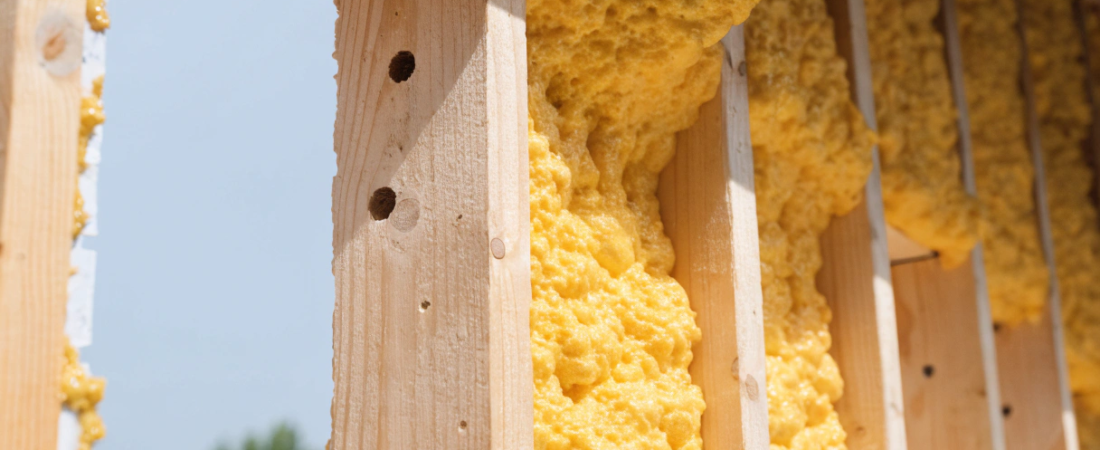

Quick answer: Spray foam insulation is widely considered the best insulation choice for tiny houses. Closed-cell spray foam delivers R-5.6 to R-8 per inch, seals air leaks, blocks moisture, and adds structural strength—all in one thin layer. Open-cell is cheaper but absorbs moisture and offers lower R-values. For most tiny home builds, closed-cell wins on performance.
- What Is Spray Foam Insulation?
- Types of Spray Foam Insulation for a Tiny House
- Pros of Spray Foam Insulation for a Tiny House
- Cons of Spray Foam Insulation for a Tiny House
- How to Choose the Right Spray Foam for Your Tiny House
- Cost Breakdown: What to Expect in 2025
- Tips and Best Practices for Spray Foam in a Tiny House
- Is Spray Foam Worth It for Your Tiny House?
- Frequently Asked Questions
- What is the best spray foam insulation for a tiny house on wheels?
- How much does it cost to spray foam insulate a tiny house?
- Can I spray foam insulate a tiny house myself?
- How long does spray foam insulation last in a tiny house?
- Is spray foam insulation safe for a tiny house?
- What R-value do I need for my tiny house walls?
Spray foam insulation tiny house owners rely on as their top choice can make or break your comfort all year long. Pick the wrong insulation and you are dealing with drafts in January, sweating in July, and mold creeping in from the walls. Pick the right one and your tiny home stays comfortable in any climate while cutting energy bills by up to 30%. This guide covers everything you need to make a smart buying decision. You will learn what spray foam is, how open-cell and closed-cell types compare, the real pros and cons, what it costs in 2025, and how to choose the best option for your specific build.
What Is Spray Foam Insulation?
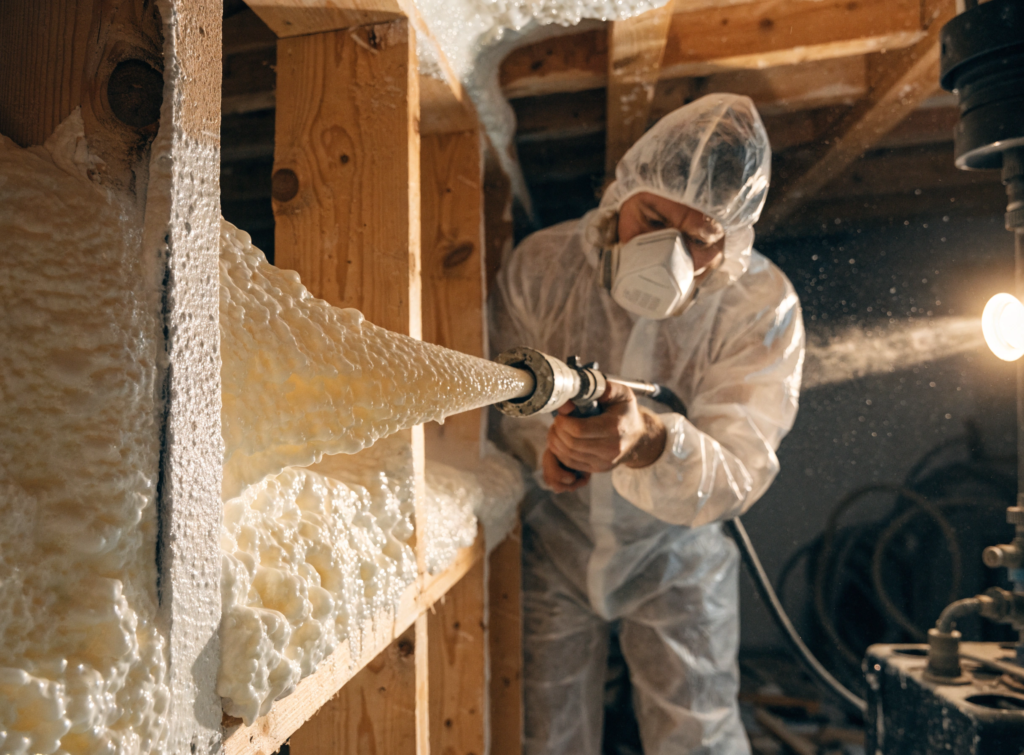
Spray foam insulation is a two-part liquid chemical product. When the two parts mix at the spray tip, they expand rapidly and harden into a solid foam. That foam fills gaps, seals air leaks, and creates a tight thermal barrier all at once.
It is not just insulation. Depending on the type you use, it can also act as a:
- Vapor barrier (blocking moisture from getting into your walls)
- Air barrier (sealing every crack and gap tightly)
- Structural reinforcement (adding rigidity to walls and roof)
- Sound barrier (reducing outside noise)
This multi-function performance is exactly why spray foam works so well in tiny homes, where every inch of wall space counts.
Types of Spray Foam Insulation for a Tiny House
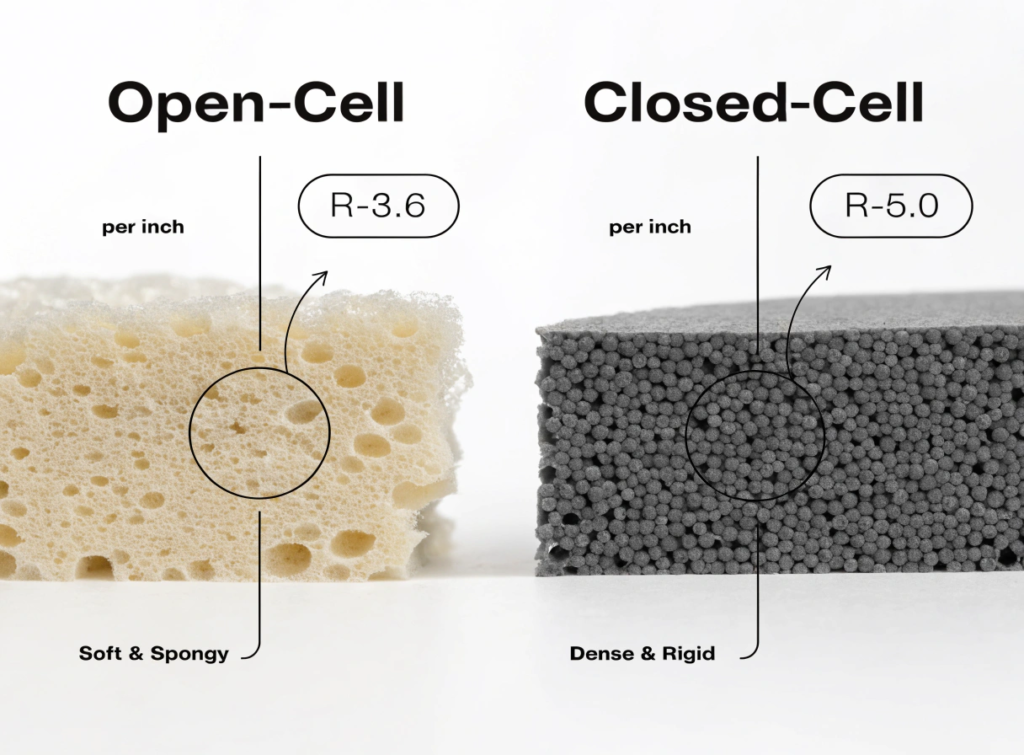
There are two main types. Knowing the difference helps you pick the right one for your build.
Closed-Cell Spray Foam
Closed-cell foam is the high-performance option. Its cells are tightly packed and sealed, creating a dense, rigid layer.
Key specs:
- R-value: R-5.6 to R-8 per inch (according to the U.S. Department of Energy)
- Moisture resistance: Yes — acts as a Class II vapor barrier
- Weight: Heavier than open-cell
- Cost: $1.15 to $2.00 per board foot installed (Proseal Spray Foam, 2025)
- Best for: Walls, roofs, floors, and tiny houses on wheels
Closed-cell foam is the go-to for tiny homes on trailers. It handles temperature swings, blocks moisture from road exposure, and delivers the highest R-value per inch of any common insulation material.
Open-Cell Spray Foam
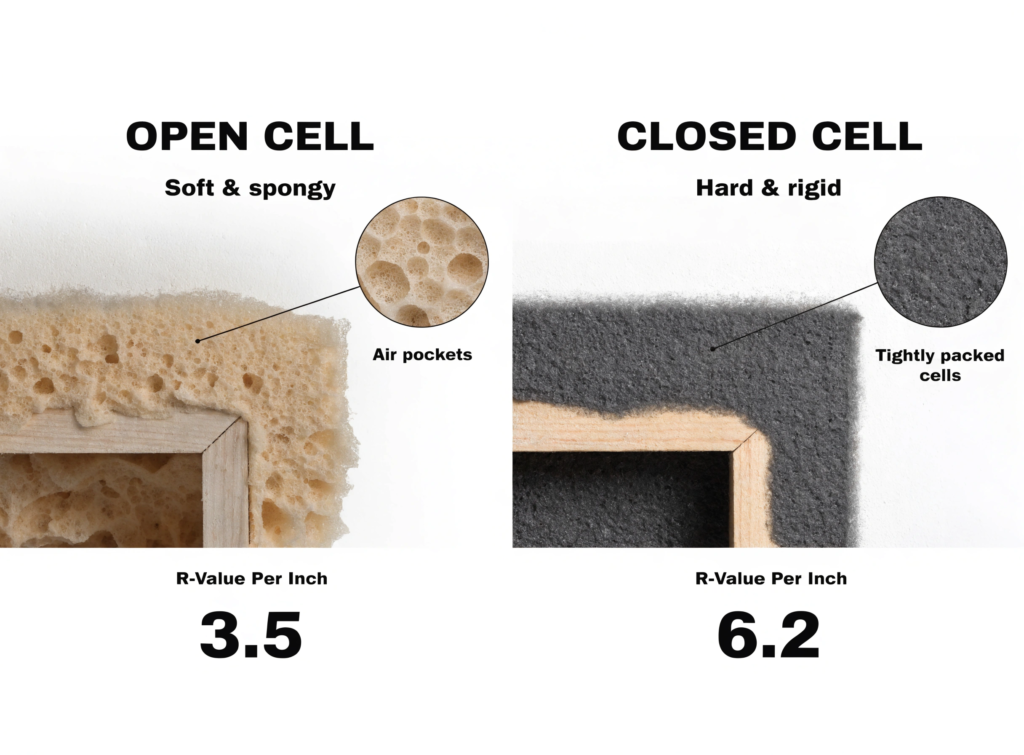
Open-cell foam is lighter and softer. Its cells are not fully closed, which makes it more flexible but less moisture-resistant.
Key specs:
- R-value: R-3.5 to R-3.8 per inch
- Moisture resistance: No — absorbs water
- Weight: Lighter than closed-cell
- Cost: $0.30 to $0.50 per board foot (material only)
- Best for: Interior walls, sound dampening, budget-focused builds in dry climates
Open-cell foam expands more aggressively, which makes it great at filling large cavities. However, in a tiny home that moves around or sits in a humid climate, its moisture absorption is a real problem.
Pros of Spray Foam Insulation for a Tiny House
Here is why so many tiny home builders choose spray foam over other materials:
1. Highest R-Value Per Inch
Space is tight in a tiny home. You need maximum thermal performance from the thinnest possible layer. Closed-cell spray foam delivers R-6 to R-7 per inch—roughly double what fiberglass batts provide per inch of thickness. That means you can hit your target R-value without losing precious interior square footage.
2. Airtight Seal
Spray foam expands to fill every crack, gap, and irregular surface. This eliminates thermal bridging and stops drafts completely. Fiberglass batts and rigid foam boards cannot do this because they leave gaps around edges and fasteners.
3. Built-In Vapor Barrier (Closed-Cell)
Closed-cell foam acts as a Class II vapor barrier. You do not need to add a separate vapor barrier layer. This matters a lot for tiny houses on wheels, where the structure is exposed to changing climates and humidity levels as you travel.
4. Structural Strength
Closed-cell spray foam actually adds rigidity to your wall, floor, and roof assemblies. For a tiny house on a trailer, that extra structural reinforcement helps the build handle road vibrations and movement over time.
5. Long-Lasting Performance
Properly installed closed-cell spray foam can last the lifetime of the building—80 years or more, according to Proseal Spray Foam. It does not sag, settle, or compress the way fiberglass batts can.
6. Works in Any Climate
Whether your tiny home sits in a hot Florida summer or a cold Minnesota winter, spray foam holds its performance. You can also move your home from one climate zone to another without worrying about whether your insulation is still doing its job.
7. Mold and Pest Resistance
Because closed-cell foam blocks moisture and fills every void, it leaves no space for mold to grow or insects to nest inside your walls.
For a full breakdown of how to hit the right R-values for your climate zone, check out this tiny house insulation R-value guide.
Cons of Spray Foam Insulation for a Tiny House
Spray foam is not perfect. Here are the drawbacks you need to know before committing to it:
1. High Upfront Cost
Closed-cell spray foam costs $1.15 to $2.00 per board foot installed—significantly more than fiberglass batts ($0.30 to $1.30 per sq ft) or rigid foam boards ($0.25 to $0.75 per sq ft). For a full tiny house build, switching from standard insulation to high-performance spray foam adds roughly $2,000 to your total construction budget, according to HomeGuide’s national insulation cost data.
2. Not DIY-Friendly
Professional-grade spray foam requires specialized equipment, temperature-controlled chemical storage, and proper safety gear. This is not a weekend DIY project. You will need to hire a licensed contractor, which adds to the overall cost.
3. Off-Gassing During Curing
During and immediately after application, spray foam releases VOCs (volatile organic compounds). You will need to vacate your tiny home for at least 24 to 72 hours while it cures and off-gases. Once fully cured, the foam is stable and safe.
4. Difficult to Remove or Repair
Once spray foam hardens, it bonds permanently to your framing. If you need to access wall cavities for electrical rewiring or plumbing repairs later, removing the foam is messy and labor-intensive.
5. Weight Consideration for THOW Builds
Closed-cell foam is denser than other insulation options. In a tiny house on wheels (THOW), every pound matters for towing capacity and fuel efficiency. Open-cell foam is lighter, but you trade off moisture protection and R-value.
6. Environmental Concerns
Some spray foam blowing agents have a high global warming potential (GWP). If sustainability is a core value for your build, ask your contractor about low-GWP formulations, which are becoming more widely available.
How to Choose the Right Spray Foam for Your Tiny House

Use this decision guide to match the right foam type to your specific situation:
| Your Situation | Best Choice |
|---|---|
| Tiny house on wheels (THOW) | Closed-cell |
| Cold climate (Zone 5–8) | Closed-cell |
| Hot and humid climate | Closed-cell |
| Dry climate, tight budget | Open-cell |
| Sound dampening priority | Open-cell |
| Foundation-based tiny home, mild climate | Either, depending on budget |
General Rule: Choose closed-cell if moisture resistance, high R-value in thin walls, or structural rigidity matter for your build. Choose open-cell if you are in a dry climate, working with a tight budget, or insulating interior partition walls where moisture is not a concern.
Cost Breakdown: What to Expect in 2025
Here is how spray foam compares to other common tiny house insulation materials, based on national material cost averages from HomeGuide:
| Insulation Type | R-Value Per Inch | Cost |
|---|---|---|
| Closed-cell spray foam | R-5.6 to R-8 | $1.15–$2.00 / board ft (installed) |
| Open-cell spray foam | R-3.5 to R-3.8 | $0.30–$0.50 / board ft (material) |
| Rigid foam boards | R-3.8 to R-6.5 | $0.25–$0.75 / sq ft |
| Fiberglass batts | R-2.9 to R-3.8 | $0.30–$1.30 / sq ft |
| Mineral wool (rock wool) | R-3.2 to R-4.1 | $1.00–$2.50 / sq ft |
ROI to keep in mind: The EPA’s ENERGY STAR program estimates homeowners save an average of 15% on heating and cooling costs by air sealing and properly insulating. Most tiny home owners who choose high-performance insulation see a full return on that investment within 3 to 7 years through reduced energy bills.
Tips and Best Practices for Spray Foam in a Tiny House
Before you book a contractor and pull the trigger on spray foam, keep these best practices in mind:
- Air seal before you insulate. Seal gaps around window frames, door frames, electrical penetrations, and wall-to-floor joints with caulk or foam sealant first. Even the best insulation underperforms when air leaks remain.
- Address thermal bridges. Metal trailer frames, wall studs, and fasteners let heat bypass your insulation. Cover these with a continuous insulation layer to stop heat loss at the source.
- Match your R-value to your climate zone. The U.S. Department of Energy recommends R-13 to R-21 for walls, R-30 for ceilings, and R-19 or more for floors in most climates. Colder zones need more.
- Insulate in the right order. Start with walls, then the roof, then the floor. This sequence helps you seal the complete thermal envelope without missing spots.
- Ventilate after application. After spray foam is applied, open windows and doors and run fans to speed up curing and clear residual off-gassing odors before you move back in.
- Hire a certified contractor. Ask to see proof of training and experience with residential spray foam projects, specifically tiny homes or small structures if possible.
- Ask about low-GWP blowing agents. If eco-friendliness is a priority, request formulations that use newer, lower-impact blowing agents.
Is Spray Foam Worth It for Your Tiny House?
For most tiny home builds—especially tiny houses on wheels—spray foam is the best insulation you can buy. The combination of high R-value, airtight sealing, vapor control, and long-term durability is hard to beat in a compact structure where every square inch of wall cavity matters.
The upfront cost is real. But when you factor in lower energy bills, better comfort, and insulation that will not need replacing or maintenance for decades, the math works out in your favor.
If your budget is tight, open-cell foam or rigid foam boards can still get the job done in the right climate. Fiberglass batts are the cheapest option but leave the most room for air leaks and moisture problems down the road.
The bottom line: for performance, longevity, and all-climate reliability, spray foam insulation tiny house builders choose is still the gold standard.
Frequently Asked Questions
What is the best spray foam insulation for a tiny house on wheels?
Closed-cell spray foam is the best option for a tiny house on wheels. It delivers R-5.6 to R-8 per inch, acts as a vapor barrier, adds structural rigidity, and holds up to the vibration and shifting that comes with road travel. Open-cell foam absorbs moisture and does not perform as well in a THOW environment.
How much does it cost to spray foam insulate a tiny house?
Closed-cell spray foam costs $1.15 to $2.00 per board foot installed, according to national averages. For a typical tiny house build, upgrading from standard insulation to spray foam adds roughly $2,000 to your total construction cost. The exact total depends on the size of your home, wall thickness, and your climate zone requirements.
Can I spray foam insulate a tiny house myself?
Small gap-sealing jobs with DIY spray foam kits are manageable. Full insulation of a tiny house is not recommended as a DIY project. Professional spray foam application requires specialized equipment, proper chemical storage, and safety gear. Poor application leads to incomplete coverage, reduced R-values, and potential health risks from improper curing.
How long does spray foam insulation last in a tiny house?
Properly installed closed-cell spray foam can last the lifetime of the structure—80 years or more. It does not settle, sag, or compress over time, unlike fiberglass batts. It is one of the most durable insulation materials available.
Is spray foam insulation safe for a tiny house?
Yes, once fully cured. During and immediately after application, spray foam releases VOCs that require you to vacate the space for 24 to 72 hours. After the curing period, the material is stable, hypoallergenic, and safe for long-term occupancy.
What R-value do I need for my tiny house walls?
The right R-value depends on your climate zone. The U.S. Department of Energy recommends R-13 for walls in zones 1–2 (warm climates) up to R-20 or higher with continuous insulation in zones 5–8 (cold climates). Closed-cell spray foam reaches R-13 in just 2 inches of thickness, making it especially useful in tight tiny home wall cavities.