

Choosing the right tiny home ac unit is one of the most practical decisions you will make during your build or retrofit. In a space where every square inch matters, the wrong cooling system wastes power, eats into your floor space, and leaves you uncomfortable when temperatures climb. This guide breaks down every viable option-from ductless mini split systems to window air conditioners and PTAC units-so you can match the right system to your climate, budget, and lifestyle.
Key Takeaways
Tiny homes rarely exceed 500 square feet, which means traditional central air conditioning with ductwork is unnecessary and wasteful. Instead, most tiny home owners choose between three main cooling options: mini split systems, PTAC units, and window ac unit models.
Ductless mini split systems are usually the best balance of comfort, efficiency, and air circulation for full-time tiny home living. Mini-split systems are ideal for tiny homes due to space efficiency, quiet operation, and the ability to handle both heating and cooling from one unit-despite a higher cost upfront compared to other options.
Window air conditioners and portable units are the cheapest solutions, but they can be noisy, less energy efficient, and reduce natural light. PTAC units offer strong all-in-one heating and cooling when wall space is available and mobility is less important. Ultimately, climate, insulation quality, and whether your tiny house sits on a permanent foundation or on wheels are the three biggest factors in choosing the right system.
How Tiny Homes Change Your AC Needs
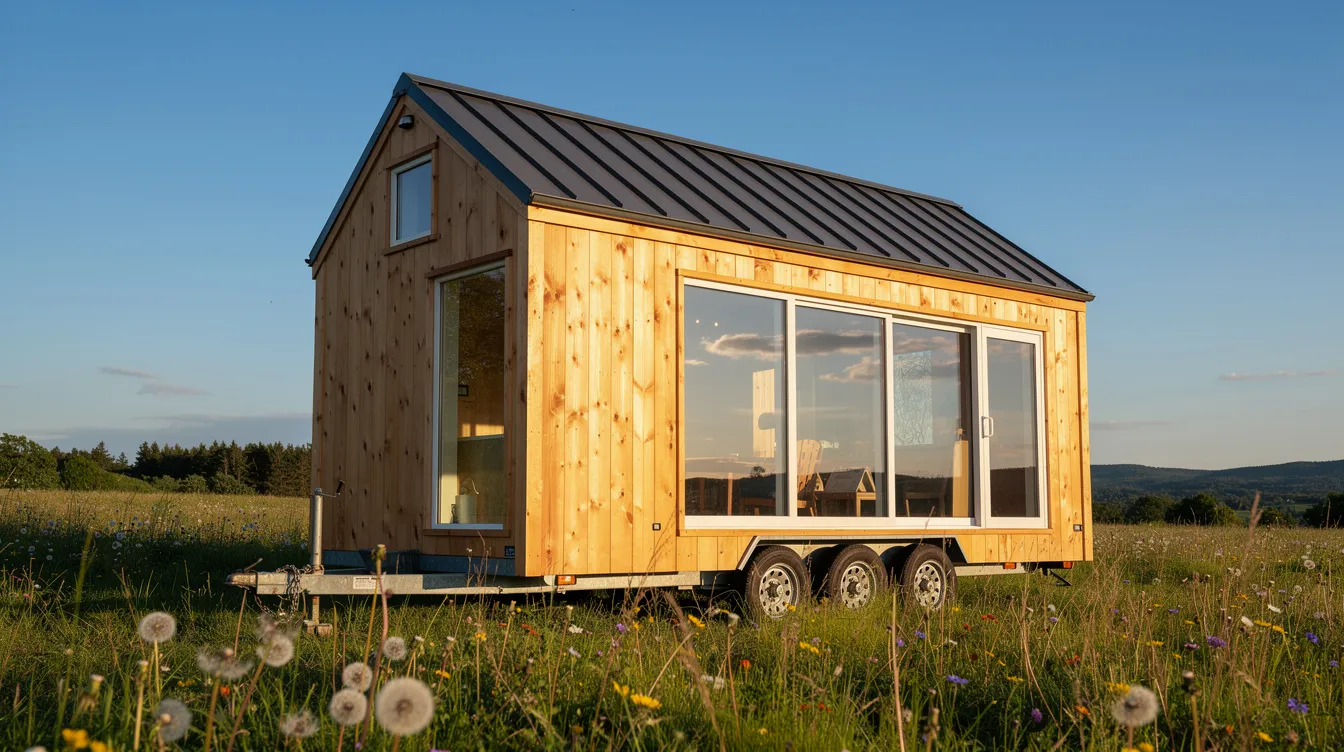
In 2026, a tiny home typically means 150 to 400 square feet of living space, often built on a trailer for mobility, though some modern designs push that boundary, like a 720 sq ft two-story tiny house on wheels built for full-time family living. That small size makes a traditional hvac system with ductwork completely impractical-there is simply no room for ducts, and the energy loss they create is hard to justify.
Limited wall and ceiling area forces tiny home owners to prioritize low-profile cooling solutions that preserve storage, window openings, and headroom in sleeping lofts. Units should be selected based on insulation, ceiling height, sun exposure, climate, and occupancy. A poorly insulated tiny house with a metal roof and large south-facing glass can see dramatic heat gain, making even a strong ac unit struggle to maintain a comfortable temperature when it is hot outside.
The distinction between a permanent foundation and a home on wheels matters significantly. Stationary builds support heavier outdoor condensers and robust electrical infrastructure, while mobile units must account for weight, vibration during travel, and wind load on any protruding components—factors that often shape whether you choose production models or custom tiny homes designed around specific systems.
A common guideline is to allow for approximately 20 BTUs per square foot. Typically, 100–250 square feet requires around 5,000–6,500 BTUs for cooling. Proper sizing of air conditioners is critical to avoid issues like short-cycling, which reduces humidity control and wears out the unit faster. Oversizing is just as harmful as undersizing.
Mini Split Systems: The Gold Standard Tiny Home AC Unit
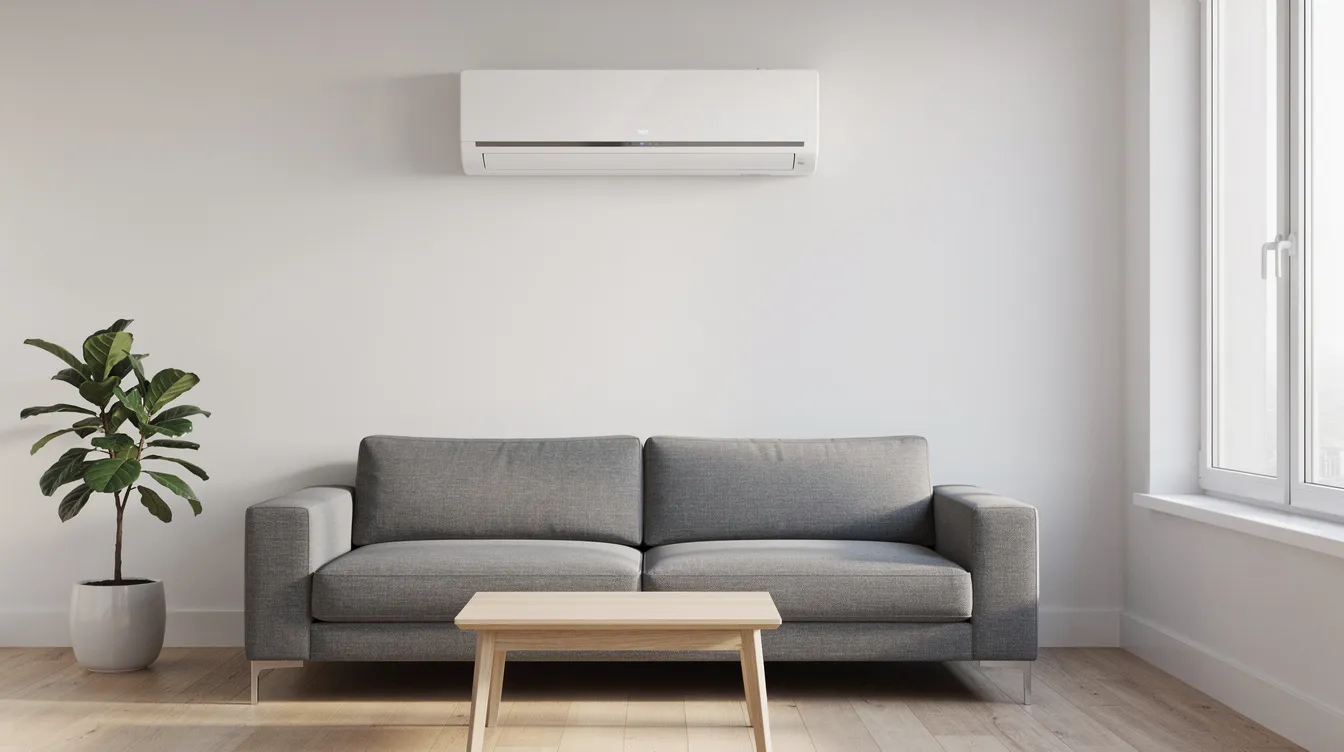
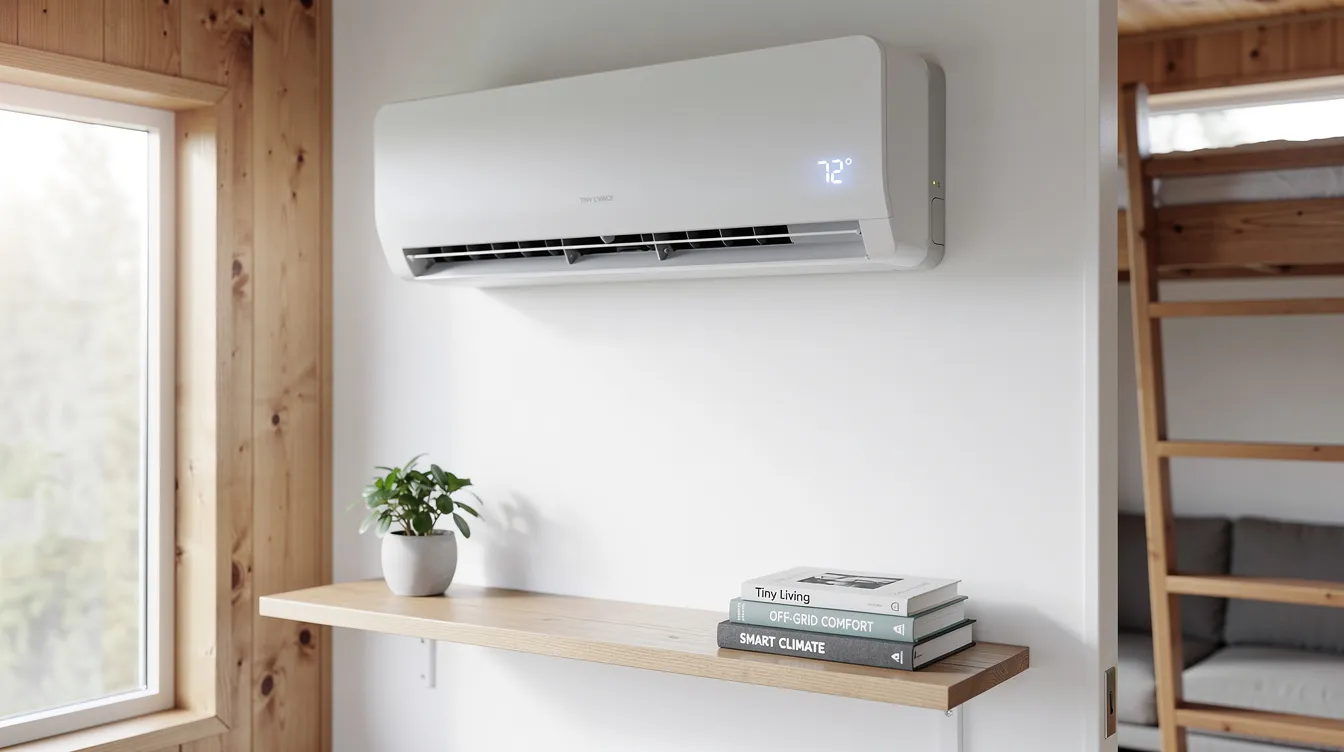
A ductless mini split system consists of an outdoor condenser connected via refrigerant lines to one indoor air handler-no ductwork required. This design saves indoor space and preserves every window for light, ventilation, and egress.
For a well-insulated tiny home under about 400–450 square feet, a single-zone 9,000 or 12,000 BTU mini split is typically sufficient, though real needs vary by climate zone and solar gain. Mini-split systems can create single or multi-zones for temperature control, giving you precision that other systems cannot match, and many owners look for the best mini split systems for tiny houses to balance comfort, efficiency, and cost.
A mini split heat pump provides both heating and cooling capabilities from one unit, often replacing electric space heaters in moderate climates. This makes it a powerful year-round solution for tiny home living.
Key advantages include:
- Energy efficient operation with SEER2 ratings from 15 to 30+, meaning choosing high SEER ratings can reduce energy consumption significantly over time
- Mini-splits often operate at noise levels below 19 decibels indoors-quieter than a whisper
- Wall-mounted mini-splits save floor space, keeping walkways and loft zones clear
- Inverter technology enables air conditioners to run steadily rather than cycling on and off, improving comfort and efficiency
- They can be installed quickly, often in one day
The main drawbacks are a higher upfront cost and the need for professional installation. Ductless mini-split systems cost between $1,800 and $8,250 depending on capacity and brand, and installation of mini-split systems typically costs around $2,000. For tiny homes on wheels, mounting the outdoor condenser requires careful planning for wind, vibration, and clearances while towing.
Practical installation locations include wall-mounted heads above a sofa or workspace, high on a gable-end wall, or slim console units near the floor to push cool air toward lofts and keep the entire room at a comfortable temperature.
PTAC and Through-the-Wall Tiny Home AC Units
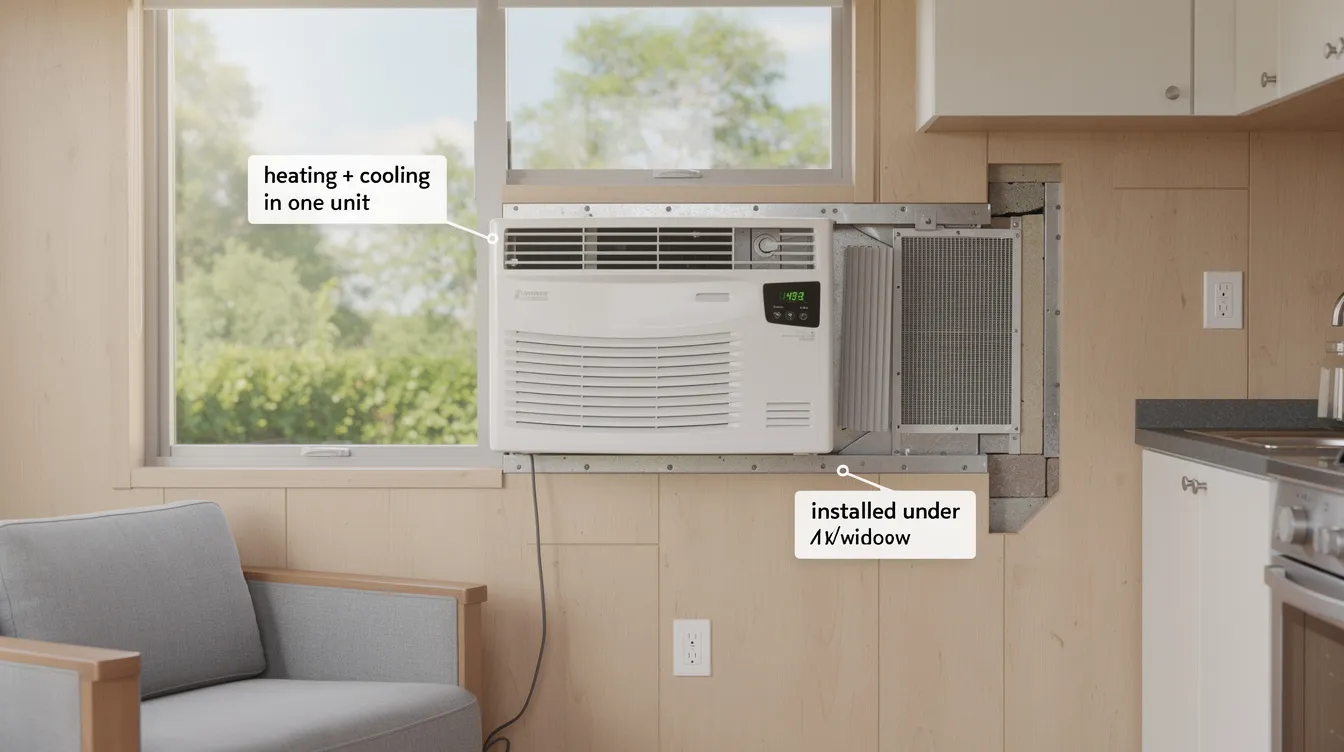
A ptac unit is the hotel-style, through-the-wall air conditioner that combines heating and air conditioning in a single chassis. PTAC units can provide both heating and cooling in tiny homes, making them a solid all-in-one solution when wall space is available.
These units can be installed under a window without occupying floor space, and they consolidate your cooling system and heater into one piece of equipment. PTAC units start around $300 and can reach $1,500, making them more affordable than splits upfront.
However, compared to mini split systems, PTACs are generally less efficient (EER 9–13) and louder indoors-often 45–55 dB during operation. They require a wall sleeve, typically around 42×16 inches, which demands structural framing and careful weatherproofing against moisture and air leakage. In a mobile tiny home, that wall cutout must not compromise the trailer’s integrity.
PTAC units with heat pumps reduce reliance on separate electric heaters during shoulder seasons, especially in regions with a mild climate and hot summers.
PTACs are a cost effective choice for stationary tiny homes or park models where weight and long-distance travel are not primary concerns, especially when paired with other top heating units for small homes to cover year-round comfort.
Window AC Units and Portable Cooling Options
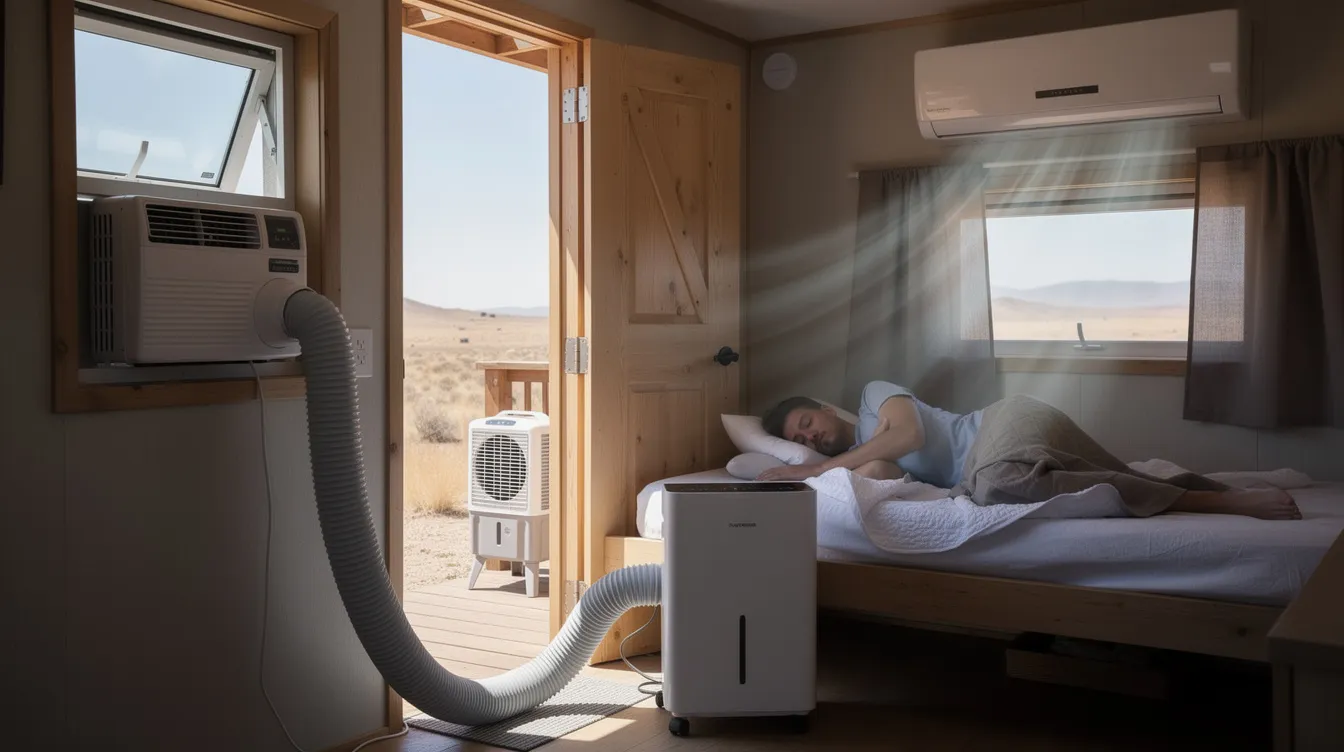
Window air conditioners remain the most affordable option for tiny home cooling and are often part of a broader strategy for cooling a tiny house in summer. Window AC units range from $400 to $800 for models in the 5,000–10,000 BTU range suitable for 150–400 square foot spaces. They offer plug-and-play simplicity, easy replacement, and wide availability of Energy Star certified units that help minimize electricity consumption.
The downsides are significant in a tiny house, though. Window AC units are bulky and take up storage space in tiny homes. They block natural sunlight, reduce breeze and ventilation through limited window openings, and often must be removed before towing-adding hassle for homes on wheels.
Portable AC units are flexible but take up more interior space. They require a vent hose routed through a window or door, and portable AC units typically have lower energy efficiency compared to mini-splits. Evaporative coolers work only in dry climates and offer less control over temperature.
When do these other options make sense? Seasonal-use cabins, guest tiny homes, or tight budgets where long run power costs are secondary can often lean on simple window or portable units as part of an overall plan for how to cool a tiny house in summer. But for nighttime comfort, the difference between a noisy single-hose portable unit (52–60 dB) and a quiet inverter mini split (under 19 dB) is hard to overstate.
Supporting Systems: Fans, Electric Heaters, and Air Circulation
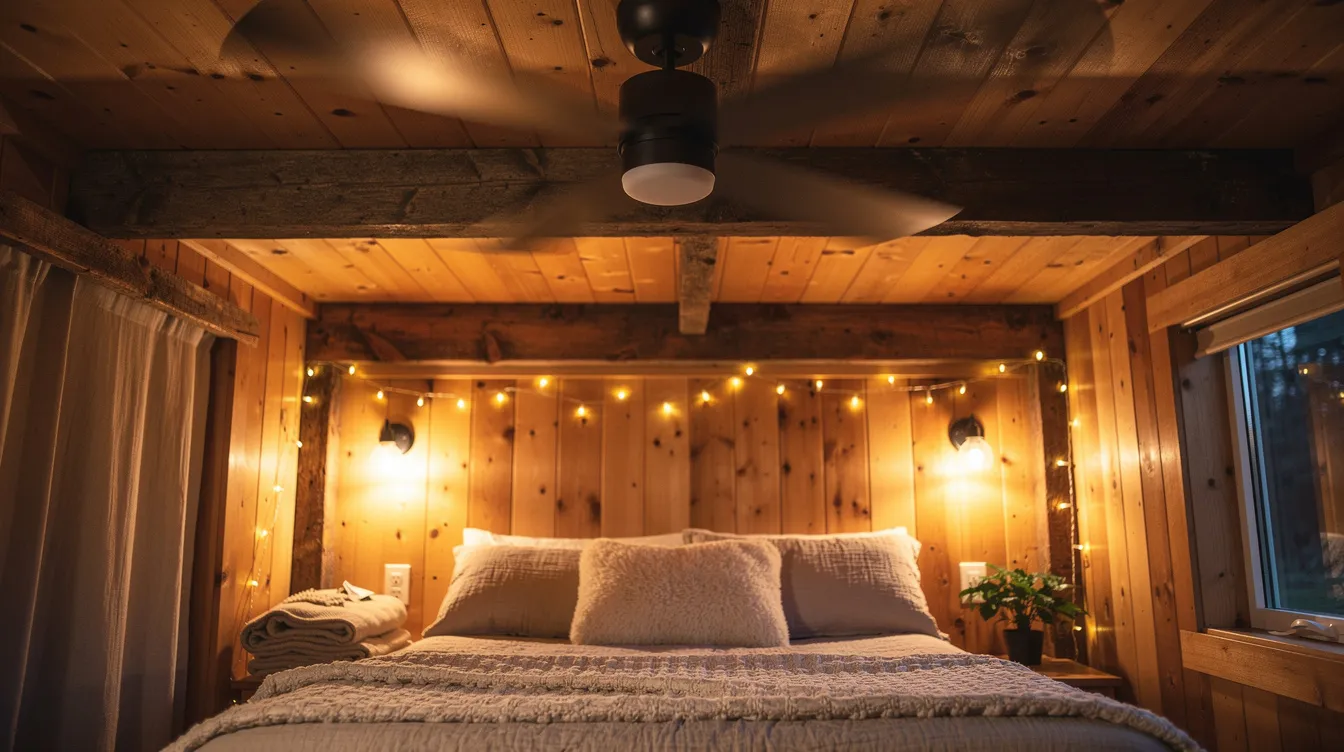
Even the best tiny home ac unit needs help from good air circulation to avoid hot lofts and cold floor areas. A strategically placed ceiling fan or low-profile wall fan can push cool air upward or pull warm air down, reducing temperature stratification in lofted sleeping areas.
Small inline or transfer fans can move conditioned air from the main living room into a bathroom or office nook where ductwork simply will not fit. These affordable solutions improve comfort without adding complexity.
For tiny house heating in cold weather, many owners consider wood burning stoves, propane heaters for tiny house living, pellet stoves, or electric space heaters alongside their primary systems. Wood stoves for tiny houses can cost up to $4,000 for heating and require chimney clearances that are tricky in a small space. Electric heaters are inexpensive and portable, but less efficient than a heat pump and create fire-safety concerns in tight quarters, so it is worth comparing top heating units for small homes before committing to one approach. Other heating solutions like a heated mattress pad can handle extreme cold snaps without running a full system.
Humidity control is important in air conditioners for humid climates, and tight tiny homes can trap moisture from cooking and showers. Running exhaust fans alongside your air conditioning helps prevent condensation and mold. Inefficient units can lead to air feeling cool but damp due to overcooling, so proper sizing remains essential.
How to Choose the Right Tiny Home AC Unit for Your Situation
This section is a decision guide. Match your ac unit to your climate, mobility plans, and budget rather than choosing based on price alone, just as you would when comparing top tiny house designs that redefine small living or other models that balance mobility and comfort. Energy efficiency is prioritized in air conditioning choices for tiny homes because power costs compound over years.
Factor | Why It Matters |
|---|---|
Climate zone | Peak summer temperature drives BTU needs |
Solar gain | Large windows or metal roofs increase cooling load |
Insulation quality | Poor insulation means constant operation |
Mobility | On wheels vs. foundation changes what you can install |
Electrical capacity | Electrical requirements must be verified before purchasing an ac unit for a tiny home |
A 9,000 to 12,000 BTU capacity is generally sufficient for tiny homes of 400 to 600 square feet. For a 240 square foot off-grid cabin in Arizona with high solar gain, a 12,000 BTU mini split equipped with a high SEER2 rating and powered by a 2,000W+ solar array makes sense-but you will need a 10–15 kWh battery bank to maintain cooling through the evening. For a 350 square foot grid-tied tiny home in Oregon, a 9,000 BTU mini split handles both cooling and heating for most of the year, making it far more cost effective in the long run than running separate window units and space heaters—regardless of whether you favor impressive small houses with cutting-edge features or more cute tiny house designs for a dream home. |
Heat pumps can work in cold temperatures but perform better in warmer climates. If you are building new, consider future-proofing: wire for a mini split even if starting with a window unit, or frame a dedicated PTAC opening during construction, to avoid costly retrofits later.
FAQ: Tiny Home AC Units
Below are common questions most tiny home owners ask after narrowing down their cooling options.
Can a mini split system run on solar power in an off-grid tiny home?
Yes, but with limits. Running a mini split for 6–8 hours daily may require 4,000–9,600 Wh, demanding roughly a 10 kWh battery bank and 2,000W+ of solar panels. Some hybrid solar mini splits accept direct DC power, reaching SEER ratings around 36 and reducing conversion losses. Daytime cooling is realistic; 24-hour operation in extreme heat requires substantial battery storage.
Can a mini split heat pump replace other electric heaters in freezing winters?
Mini-splits can operate efficiently in temperatures as low as -13°F, though efficiency drops as it gets cold. In climates that regularly dip below freezing, a mini split handles most heating needs but a backup heater-whether electric space heaters, pellet stoves, or even wood burning stoves-is wise for the coldest nights.
How often do tiny home air conditioners need maintenance?
Clean indoor filters every one to three months. Inspect the outdoor unit seasonally to clear debris and check refrigerant lines. In a tiny home, condensate drain checks are especially important because moisture buildup in a small space can quickly create mold issues.
How do I protect an outdoor condenser or PTAC unit while towing?
For mini splits, secure the outdoor condenser with vibration-dampening mounts and consider a protective cover rated for highway wind loads. For PTAC units, ensure the wall sleeve is reinforced and weatherproofed. Some tiny home owners on wheels remove fragile components before hitting the road, though most well-mounted systems survive travel without disassembly.
Are there noise ordinances that affect which unit I can install?
Many localities limit outdoor noise to 60–65 dB at the property line. Mini split outdoor condensers typically run 48–55 dB, well within limits. Louder units-especially older window air conditioners or budget PTACs-may draw complaints in dense tiny home communities or RV parks.