
Earthship for Sale Virginia – Quick Overview for Buyers
If you’re searching for an earthship for sale in Virginia, you want current listings, realistic cost expectations, and clarity on regulations. The reality: as of 2026, very few true earthships appear on the Virginia MLS. Earthship homes are more common in states like New Mexico and Colorado, so Virginia buyers often monitor listings across VA, WV, NC, and TN, plus off-market channels.
A past example illustrates what buyers seek-a $649,000 certified earthship on 55 acres with 2 bedrooms, 1 bath, off-grid solar, and rammed earth construction. That property has since sold, but it set the benchmark. Virginia already has pioneering green projects, including homes with leed platinum certification and passive house certification, proving that a house fully energy positive design is viable in the state’s climate. This article covers what a va earthship is, how it compares to a typical house, where to find listings, and how certifications help buyers judge real performance.
What Is a VA Earthship? Design, Materials & Off-Grid Systems
An earthship is a passive solar eco-home that uses thermal mass construction for temperature stabilization and integrated renewable energy systems to minimize or eliminate utility bills. Earthships are made of natural and recycled materials-think earth-rammed tires, recycled bottles, and reclaimed wood. Documented projects like the VA Earthship with Melina Winterton and Larry Peck showed that realistic family life, including raising children, is possible in a DIY off-grid home. Daniel Edwards built his compressed earth block (CEB) home over four years, demonstrating the progress achievable through hands-on construction with sustainable materials, similar in spirit to Earthship tiny homes designed for sustainable living.
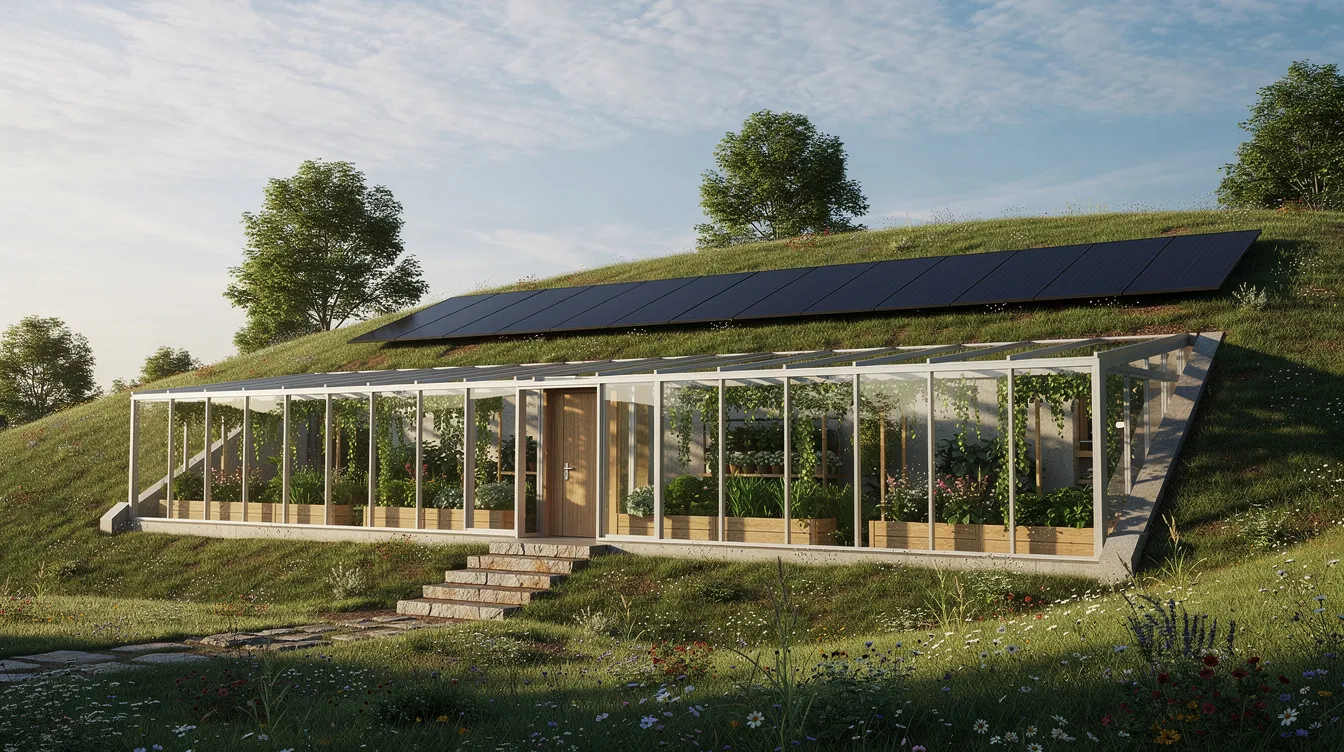
The structure itself relies on earth-rammed tires or concrete for thermal mass walls. Earthship walls can be bermed with 15-20 feet of dirt on the north and side hillside contours, and that berm provides insulation equivalent to 10 layers of standard insulation. Compressed earth blocks, made from sifted local subsoil and a binding agent, contain no toxic materials and reduce energy costs for heating and cooling. The south-facing front features large windows and a greenhouse corridor filled with plants, designed to capture winter sun and store warm energy in the thermal mass. Overhangs and berming support cooling in summer, preventing overheating. Passive solar design can minimize heating and cooling costs substantially-earthships use these principles to keep the living space comfortable year-round.
Energy systems are built for full autonomy. A roof-mounted solar array, battery storage for multi-day power supply, and an optional backup generator handle extended cloudy winter periods in the surrounding mountains. Earthships can function off-grid with solar-electric systems sized for small homes and typically consume less than 1,000 kWh per month. After construction, earthships have little to no utility bills.
Water and waste systems include rainwater catchment from the roof, cisterns sized to Virginia’s 40–50 inches of annual rainfall, indoor greywater planters, and contained on-site blackwater treatment where codes allow. Water use is managed through efficient fixtures and recycling. While pure “Michael Reynolds” style earthships differ from hybrid earth-sheltered Virginia homes that blend rammed earth with conventional framing, both approaches rely on careful envelope design, airtightness, and passive solar strategies to reduce energy demand by 70–90% compared to a typical house. Compressed earth blocks are made from local subsoil, keeping the construction local and the structure healthy.
Current Market: Finding an Earthship for Sale in Virginia
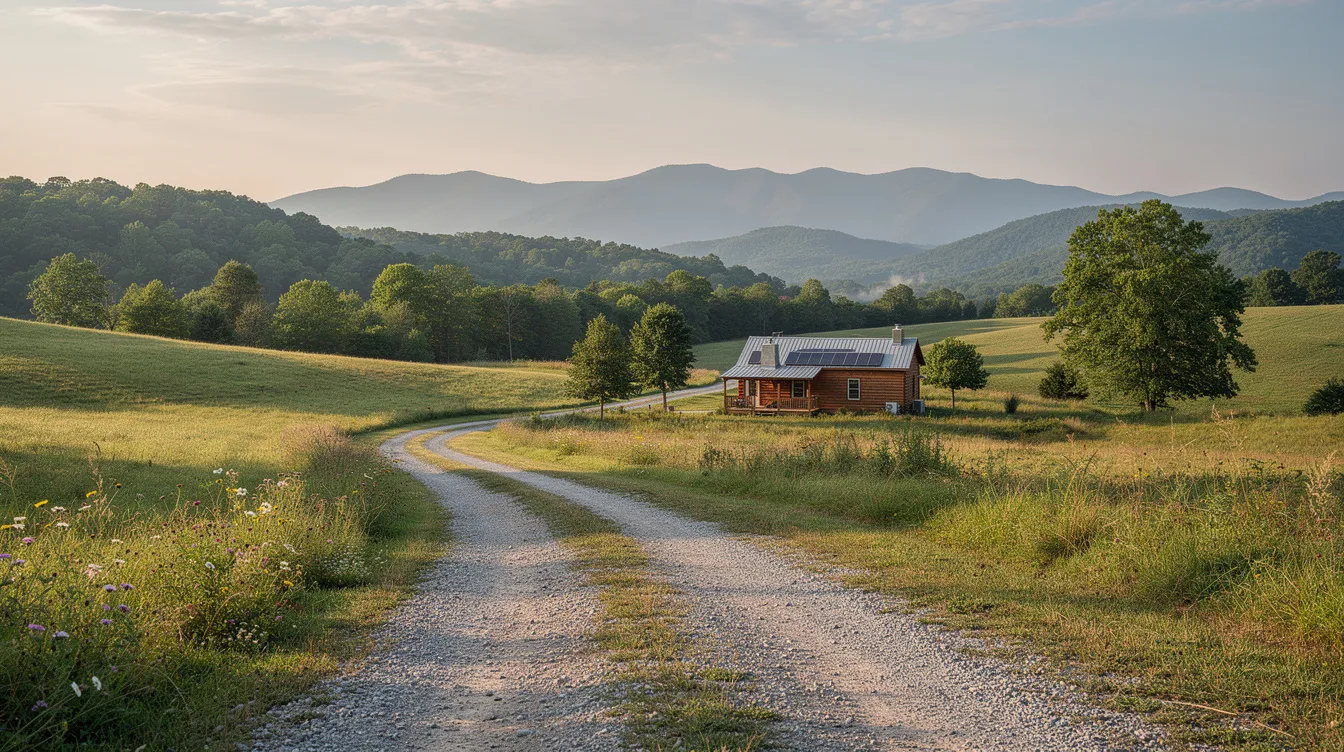
Earthships are niche. At any given time, you may find zero true earthship for sale Virginia matches. Most surface in rural mountain counties-Floyd, Nelson, Rockbridge, or Grayson-where land is plentiful and zoning is more flexible. Alternative sustainable structures sometimes feature large acreage suitable for off-grid homes in these areas. Eco-friendly housing in Virginia often includes custom or green-certified homes and self-contained tiny homes for modern off-grid living rather than classic earthships.
When searching, use keywords like “earthship,” “rammed earth,” “off grid,” “passive solar,” “net zero,” or “energy positive house” on MLS portals. Filter for green features, solar PV, or high-performance home tags. Many Virginia listings are marketed as “modern farm solar home” or “off-grid cabin,” so read descriptions carefully. A listing in Coeburn, VA described a 379 sq ft off-grid property supplied by rainwater and generator power-not a true earthship, but the type of adjacent listing buyers encounter.
Realistic price ranges: small off-grid cabins with basic solar on modest land run mid-$200k to mid-$400k. Custom, architect-designed green homes on acreage commonly list $600k–$1.5M+, as demonstrated by Virginia’s certified high-performance property sales, and some buyers test the lifestyle first in tiny house cabin retreats used as cozy eco getaways. For the buyer ready to act: get financing pre-approval early (lenders can be tough on unconventional construction), broaden your search radius to include well water–served rural areas across southwest Virginia, and be prepared to walk through a site quickly when a suitable listing appears, whether it’s an earthship-style build or a pre-built log home cabin.
Comparing Earthships, Passive House & Other High-Performance Virginia Homes
Not every buyer will find a true earthship, but Virginia has ultra-efficient homes that meet the same goals. Custom earth-sheltered homes may have passive solar heating features in Virginia, and several hold certifications that validate performance. LEED Gold certified properties offer sustainable housing in Virginia, while LEED Platinum Certification is a high standard for sustainable building reserved for the most ambitious projects, much like emerging tiny house communities in Virginia for downsized living that emphasize efficiency and sustainability.
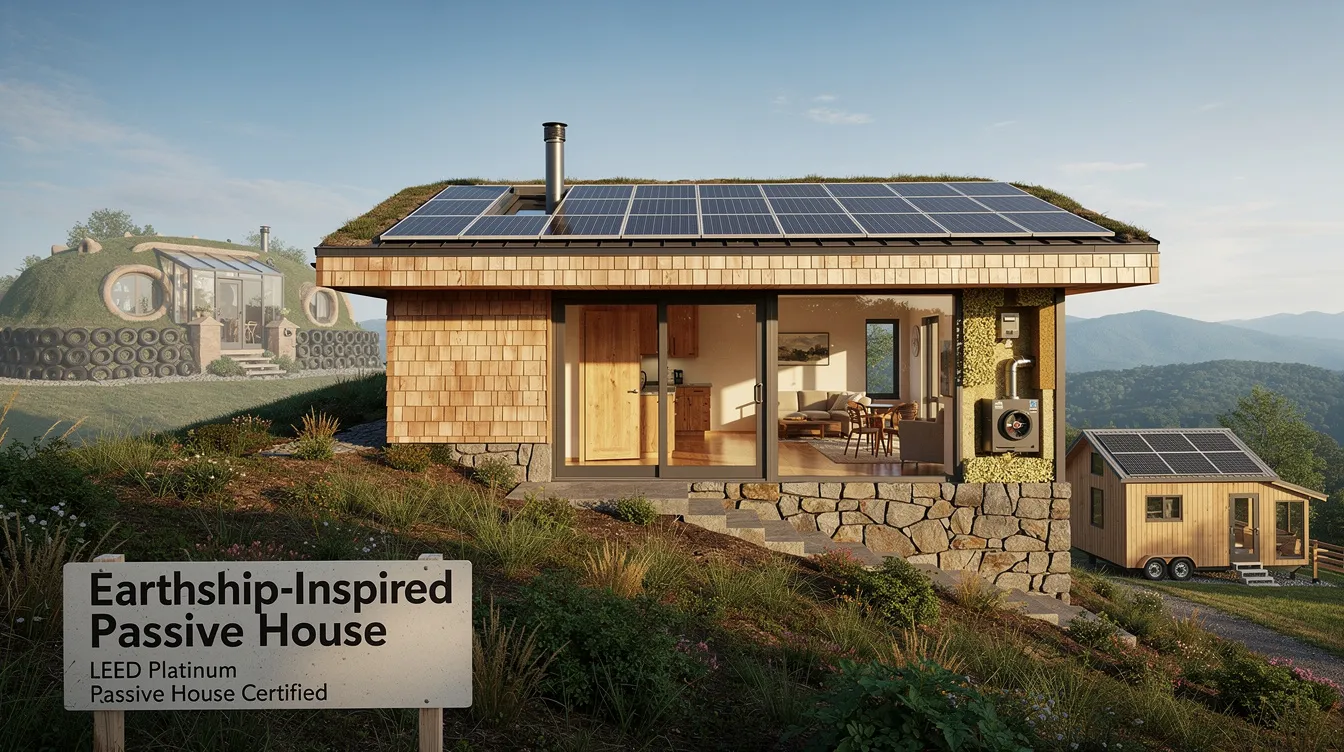
Consider a Virginia mountain home located on a hill, completed around 2013 with both passive house certification and leed platinum certification-the first non-commercial structure in North America to hold both. It earned the 2013 LEED for Homes Award for Outstanding Single Family Home and was designed as a house fully energy positive with a 12 kW solar array. The Passive House Farmstead uses 90% less energy than typical homes, and Passive House standards reduce energy use by 90% compared to typical homes generally. On the coldest winter nights, its expected heating demand equaled the output of two hairdryers-an extremely cost effective house to operate.
The project used remarkable materials. White cedar shingles clad the exterior, local fieldstone anchored the foundation, and local white oak provided flooring throughout the living and dining room and bedrooms. Virginia black walnut was selected for cabinetry, while american clay paint finished the walls for a healthy, low-VOC indoor environment. Quiet metal accents appeared in door hardware and fixtures. A broad bank of south-facing windows with triple glazing flooded the interior with natural light and fresh air via an energy recovery ventilator. The home was insulated with plant-based cellulose, and landscaping followed the natural contours of the hillside. The efficiency of the whole structure made it a world-class example of what’s achievable in Virginia.
For buyers who cannot find an earthship for sale in Virginia: consider Passive House–certified homes, which are easier to finance and insure. Look for documented HERS scores and utility histories. Ask whether the home produces as much or more energy than it uses annually. Some Virginia builders now offer earthship-inspired designs that blend Passive House airtightness with earth-sheltered forms-similar comfort and resilience, built within local code frameworks.
Practical Steps: Buying, Building, or Converting to a Virginia Earthship-Style Home
You have three paths: find an existing earthship or off-grid listing, commission a new build, or retrofit a typical house toward earthship-like performance. Building codes in Virginia may require modifications to earthship designs. Some counties maintain flexibility in rural areas, while HOAs often restrict unconventional exteriors. Early conversations with local officials and an experienced engineer are essential to support your project. DIY earthship construction often requires learning new skills, so plan accordingly.
To buy an existing VA earthship, identify eco-savvy agents who can monitor off-market opportunities. Set a search radius that includes neighboring areas. Verify permits, engineered drawings, and inspections for structural walls, septic pumps, and electrical systems. As you search, you may also compare layouts to modern tiny house design ideas to understand how much space you truly need. Ecovillage Loudoun focuses on sustainable living in Virginia and represents the kind of community where leads may surface.
To commission a new build, work with an architect familiar with passive solar and earth-sheltered construction. Combine earthship ideas-thermal mass, greenhouse, off-grid-with locally proven details from Virginia’s Zero Energy Ready projects and compact design principles drawn from Japanese small house architecture. Construction-to-perm loans become easier when you can supply clear engineered documentation. The property should be located on south-facing land, ideally with a hill or hillside to capture natural berming advantages.
To upgrade an existing home, add south-facing solar, deep insulation, high-performance windows, and airtightness improvements. Install rainwater harvesting where legal. Move step-by-step toward lower bills-every improvement represents concrete progress, especially if you draw inspiration from tiny house nature retreats that prioritize simplicity and outdoor connection.
While earthship for sale Virginia results remain limited, the state’s proven record with passive house certification, leed platinum certification, and off-grid properties means it is entirely feasible for any family to live in a low-impact, house fully energy positive home in the Virginia landscape. Start your search, connect with specialized agents, and be ready to act.