
Tiny homes pack life into 200 to 400 square feet. Floor space is currency, and every square inch counts. Hanging gardens at home let you add plants, grow food, and bring color into a tiny house without giving up a single foot of walkable area.
Key Takeaways
- Hanging gardens can add greenery in spaces with limited floor space. A single wall in a 24-foot trailer can hold a dozen herb pockets, three hanging planters, and a row of trailing succulents, all above furniture height.
- Growing vertically can maximize limited space in small gardens. The ideas in this article are diy-friendly, cheap to build, and sized for tiny houses, van conversions, studios, and small balconies.
- You will discover specific systems (wall pocket planters, ceiling-hung pots, trellises, rail containers) plus plant suggestions like pothos, herbs, microgreens, and trailing succulents that thrive in a small space.
- Safety details cover moisture control, weight limits on walls and ceilings, and non-toxic materials so your garden does not damage a tiny structure.
- All examples and dimensions reference real tiny house scenarios from 200 to 400 sq ft homes and 24 to 30 ft trailers.
What Is a Hanging Garden in a Tiny Home?
A hanging garden is any system where plants grow off the ground: pots suspended from ceiling hooks, fabric pockets mounted on a wall, rail planters clamped to a balcony railing, or modular panels bolted beside a loft ladder. The common thread is vertical use of space that would otherwise sit empty.
A vertical garden typically refers to multiple pots or modules arranged on a wall, like a 3-foot herb rail over a galley kitchen window. A living wall is denser, covering much of a wall surface with continuous plant coverage. Simple hanging planters are single pots on ropes or macramé hangers from the ceiling. In most tiny homes, you will combine two or three of these systems.
Creating a hanging garden maximizes vertical space in small homes. In a 200 to 400 sq ft house, a blank wall next to the couch or above the kitchen counter becomes a garden without reducing room to move. Planters double as decor and can create visual dividers between zones.
Common installation areas in tiny homes:
- Above a couch or reading nook
- Around loft ladders and stairwell voids
- On bathroom walls near windows
- On exterior trailer walls or along deck railings
Planning Your Hanging Garden for a Small Space
Good planning prevents overloading a tiny structure with weight or blocking light from windows. Before you build anything, spend one full day tracking sun patterns. A south-facing window in summer may deliver 200 to 500 foot-candles of light; a north-facing window in winter often drops below 100 foot-candles.
Measure your ceiling height (9 to 11 feet at the peak is typical in tiny homes per ICC tiny house provisions), wall width, and distance from doors, loft ladders, and operable windows. Plant arrangements should have enough space for growth without overcrowding. Choose appropriate lighting conditions for each zone before picking plants.
Weight matters. Standard drywall plastic anchors hold roughly 10 to 25 lbs on walls but far less on ceilings. Ceiling joist hooks (lag screw eye bolts into structural members) support 30 to 50 lbs. Trailer-based tiny homes need anchoring into studs or joists, not thin wall paneling.
Plan zones by purpose:
- A kitchen herbs vertical garden near a 24 to 30 inch window
- A calm green wall by a reading nook using low-light ferns
- Drought-tolerant hanging planters on a 3 to 4 ft balcony rail
Sketch a simple front-elevation drawing of one wall, marking where hooks, shelves, and vertical planters will go. This prevents overcrowding and helps you budget weight per anchor point.
Types of Hanging Gardens for Tiny Homes
Tiny homeowners can mix systems depending on structure and lifestyle. A stationary cabin might support a bolted frame; a house on wheels needs removable containers.
Wall-mounted vertical gardens. Modular panels, pocket systems, and slim framed planters fit above a loveseat or along a bathroom wall. A 16″x24″ felt pocket panel holds six to eight plants in pockets about 5 inches deep. A 20″x30″ framed planter with a waterproof backing works as both art and garden. Select lightweight containers to minimize strain on ceilings and walls.
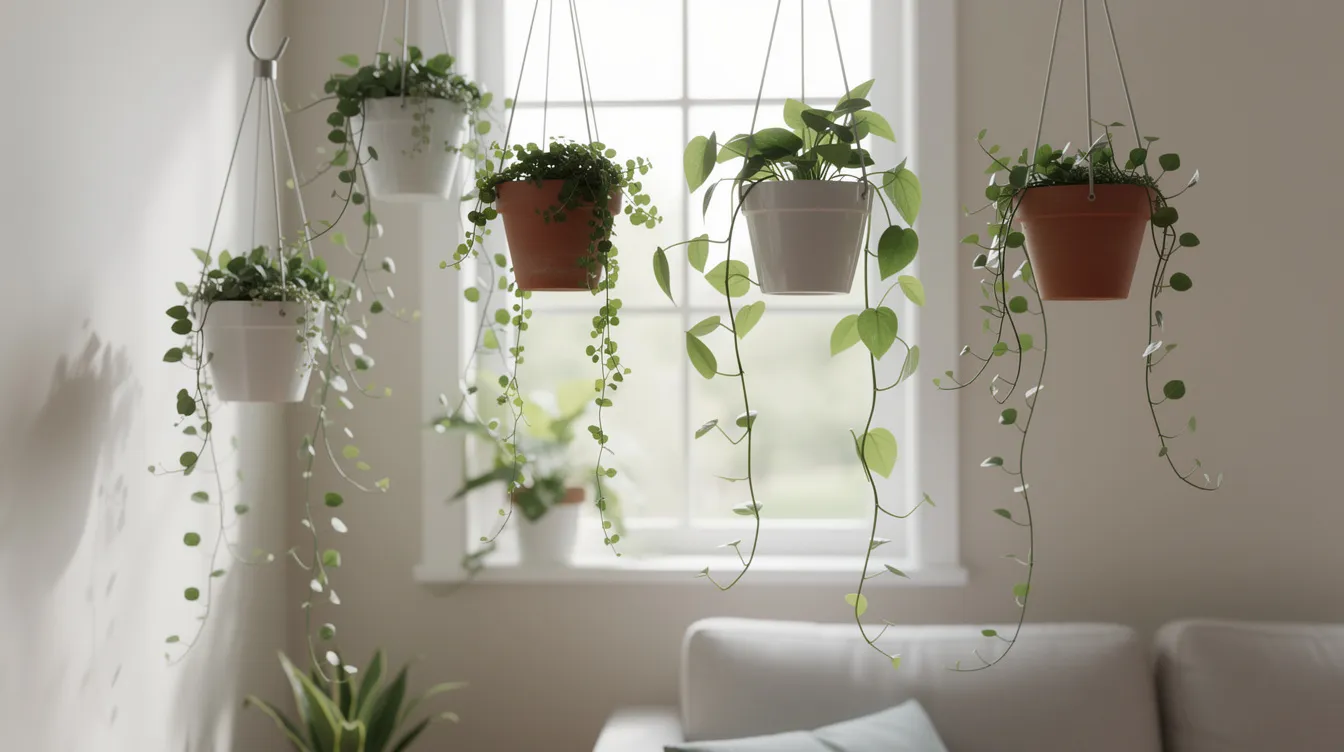
Ceiling-hung gardens. Macramé hangers, rope-and-hook systems, and multi-tier hanging planters use vertical height in a 9 to 11 ft tiny house. Three tiered pots on a single hook can hold herbs, trailing pothos, and a small fern while keeping floor space clear.
Rail and balcony systems. Planters that clamp onto 2×4 or 2×6 rails, narrow trough planters along a 3 to 5 ft balcony, and stacked rail boxes create diy vertical gardens outdoors without permanent installation.
Movable vs. fixed. Magnetic planters stick to metal walls. Suction planters grip large windows. Rail-sitting pots can be carried indoors during storms or before towing a tiny house on wheels.
DIY Vertical Gardens: Safe, Affordable Ideas
Many hanging gardens can be built in a weekend with basic tools and materials under $50, making them a great addition for budget-conscious tiny house owners.
Pallet plant stands. Pallets can be used as vertical garden plant stands. Sand and seal a heat-treated pallet (look for the “HT” stamp; avoid chemically treated wood), lean or bolt it against an interior or exterior wall, and hang individual pots from its slats. This method works indoors or on a deck. Use only untreated or heat-treated wood for food plants.
Fabric pocket planters. Sew a 2 to 3 ft wide panel from heavy canvas or recycled denim with 6 to 12 pockets, line with plastic where needed, and hang on a French cleat or sturdy curtain rod. Fabric pocket systems suit areas above seating because soil stays contained.
Gutter or trough gardens. Use new galvanized steel gutters or 4 to 6 inch metal troughs, cut to 2 to 4 ft lengths, capped and mounted in rows with a slight tilt for drainage. These work for shallow-rooted herbs and salad greens. Drill drainage holes in each trough.
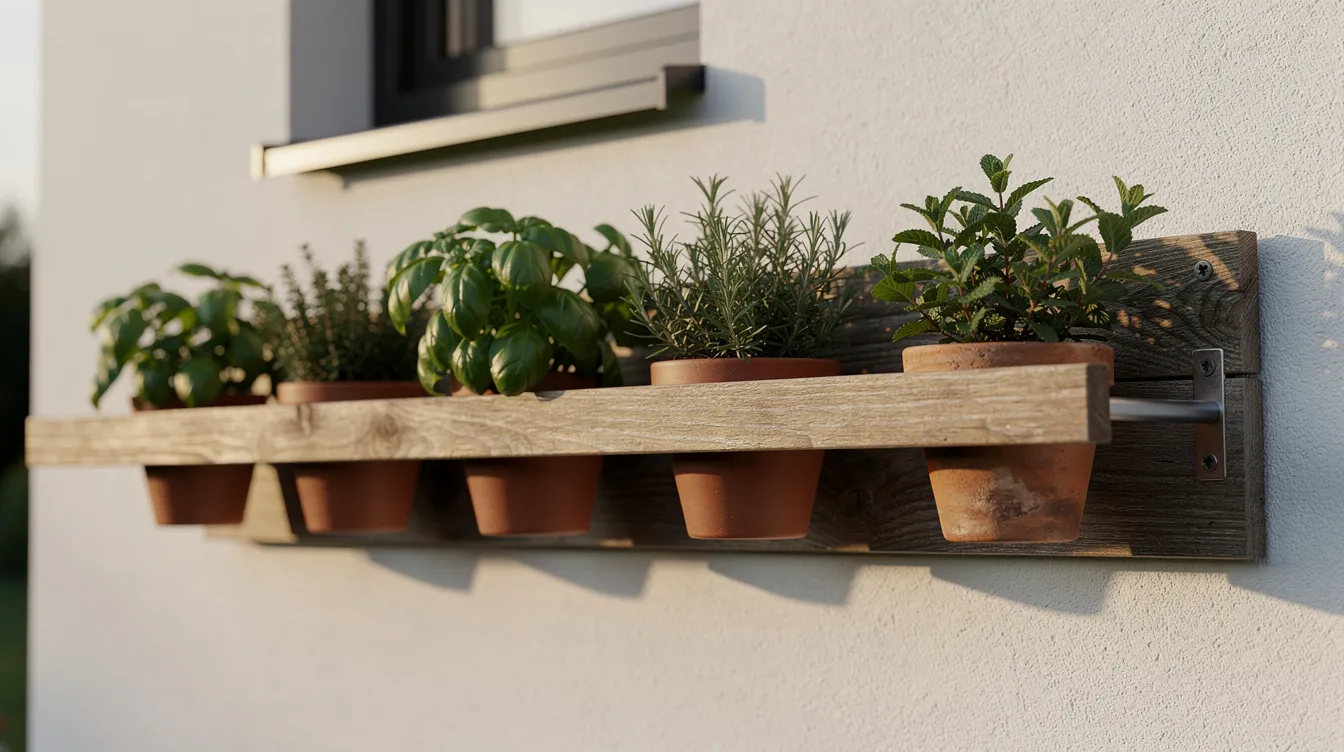
Mason jar and tin can planters. Hanging planters made from mason jars, soda bottles, or small terracotta pots mounted on a backing board or hung from a ceiling beam cost almost nothing. Pre-drill drainage holes and use saucers or trays indoors. Use pots with drainage holes to prevent water-related issues in hanging plants.
Frame towers. A 4 to 6 ft tall wood or PVC frame with staggered holes or mounted pots fits in a corner of a 6 to 8 ft wide tiny house deck. A squash plant’s footprint is about 20 square feet on the ground, but growing it vertically on a frame tower cuts that to under 2 square feet.
Safety reminders: use food-safe materials for edibles, avoid old treated wood, and never rely on thin 1/4 inch wall paneling alone for heavy installations. Anchor to studs instead.
Choosing Plants for Hanging Gardens and Vertical Gardens
Plant choice is where many tiny-house hanging gardens succeed or fail. Match plants to your light, your water schedule, and your goals.
Low to medium light (50 to 200 foot-candles). Pothos (including Marble Queen), heart-leaf philodendron, spider plants, Bird’s Nest Fern, and prayer plants like Lemon Lime Maranta do well in rooms with north-facing windows or spots 3 to 5 ft from east/west windows. Consider humidity levels for certain plants like ferns and tropical species; they prefer 40 to 60% relative humidity.
Sun-loving plants. Thyme, basil, oregano, strawberries, dwarf tomatoes, trailing nasturtiums, and compact peppers need at least 4 to 6 hours of direct sun. Place them on south-facing windowsills, balconies, or exterior vertical gardens. Climbing beans, cucumbers, and tomatoes grow well in vertical gardens using trellises or string supports, and they climb with minimal training.
Succulents. Echeveria, jade plant, and small moon cacti suit sunny, dry spots or high shelves where watering frequently is impractical. They work in hot, dry climates and on exposed deck rails.
Microgreens can be grown in small containers; shallow wall planters or rail planters with 2 to 4 inches of soil produce harvests in 10 to 21 days. Successional sowing (planting a new tray every week) maximizes yield in limited space. Vertical gardening allows for easier harvesting of crops, and plants grown vertically are generally healthier and more productive because foliage stays off the ground, reducing rot and pest contact.
Arrange trailing plants around the edges and upright plants in the center of each module. Grouping plants with similar light and water needs simplifies maintenance. Plant choices should match the amount of light and moisture available; never mix high-thirst ferns with drought-tolerant succulents in one pocket panel. For more flowering plant options suited to tiny homes, search our articles.
Installation & Safety in Tiny Houses
Tiny houses and small apartments often have thinner walls and lighter framing than conventional homes, so installation must respect structural limits.
Locate studs and ceiling joists (typically 16 inches on-center in U.S. framing). Use sturdy mounting methods for hanging plants to ensure safety: toggle bolts for lighter loads under 20 lbs, lag screw ceiling hooks into joists for 30 to 50 lbs, and rail brackets for balcony systems.
A fully watered 10 to 12 inch hanging planter can weigh 10 to 15 lbs. A multi-tier system with three pots and wet soil can exceed 30 lbs. Always design supports for at least 1.5 times the expected wet weight.
Moisture management: use saucers, drip trays, or built-in reservoirs under indoor planters. Keep water away from electrical outlets, USB ports, and integrated RV-style electrical systems common in tiny homes.
Movement: for trailer-based tiny homes, use removable or lockable systems. Rail-mounted planters and quick-release hooks can be taken down in minutes before towing.
Fire and egress: keep hanging gardens clear of wood stoves, heaters, and emergency exit windows or doors. Never block a loft ladder with trailing vines.
Caring for Your Hanging Garden in a Small Space
Vertical gardens dry out faster than ground-level beds. Regularly check soil moisture, as hanging baskets dry out faster than ground containers.
Watering. Water from the top of a vertical garden and let it cascade down through rows. Use self-watering inserts or pot wick sticks in individual pots. Gutter gardens dry out quickly and need frequent watering, sometimes daily in summer. Adjust frequency by season: more in summer, less in winter. Use a well-draining potting mix to prevent root rot.
Irrigation for tiny homes. A 1 to 2 gallon drip bag or narrow drip line running along a 3 to 4 ft wall planter works better than large systems designed for big homes.
Fertilizing. Apply diluted liquid fertilizer or worm tea at half-strength every 2 to 4 weeks during the growing season. Avoid strong-smelling fertilizers indoors in a 200 sq ft room.
Pruning and training. Maintenance should include checking for pests and pruning long vines. Trim pothos, ivy, and tomato vines before they tangle around loft ladders, lights, or ceiling fans. Use plant climbing wall clips or soft ties to direct growth. Rotate hanging plants for even sunlight exposure and balanced growth.
Seasonal shifts. Move plants between interior vertical gardens and exterior rail or deck planters as temperatures change. In four-season climates, bring tender herbs indoors by October and return them to the balcony fence or rail in May.
Design Ideas and Real-World Layouts for Tiny Homes
Vertical gardening can create beautiful and engaging garden spaces when matched to a tiny home’s style. Hanging gardens are both functional and aesthetically pleasing when coordinated with the interior.
24 to 28 ft tiny house on wheels. A 24″x36″ framed herb vertical garden over the kitchen counter (under a window for light), a trio of 6 to 8 inch hanging planters in the stairwell void, and a slim 6-inch-deep succulent wall by the entry door. This layout uses zero floor space.
Studio apartment under 400 sq ft. A vertical garden grid above a 2-seater sofa, a rail planter on a 4 to 5 ft balcony with salad greens and vegetables, and a narrow moss or foliage art frame in the bathroom.
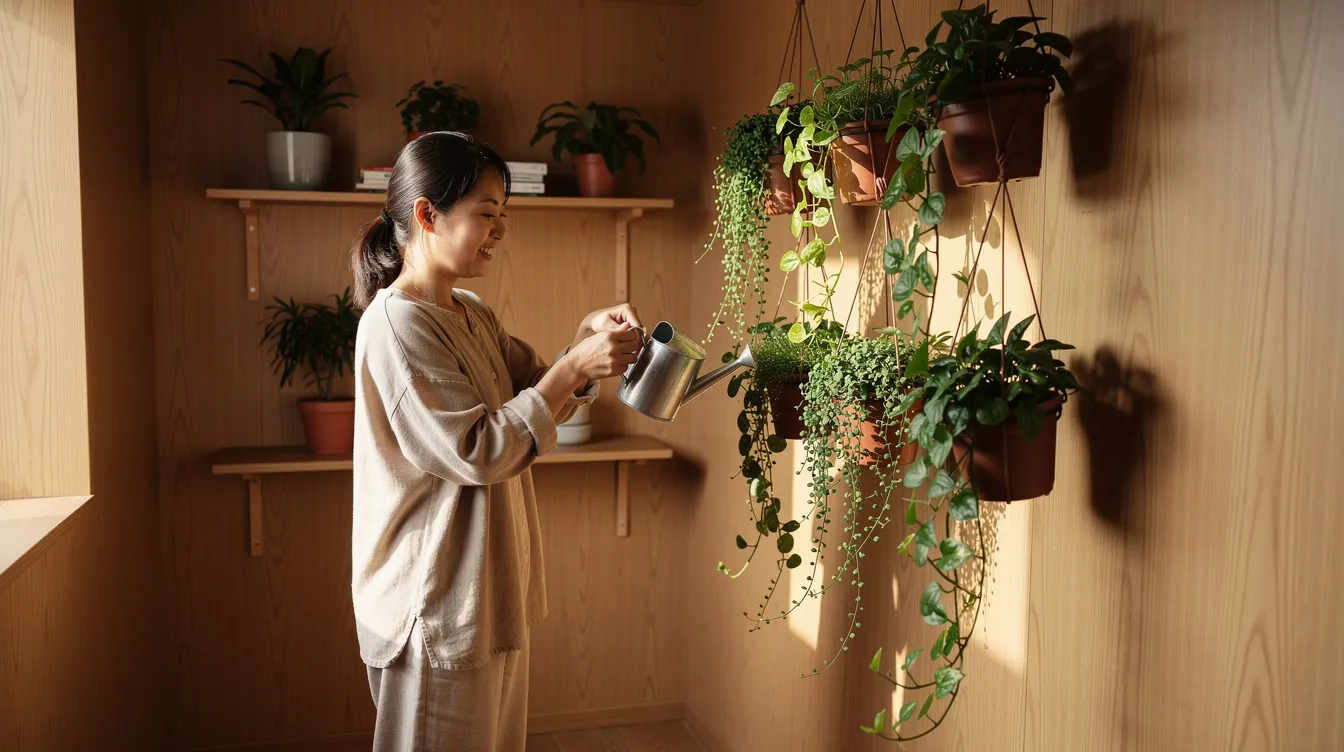
Japanese-inspired tiny home. Simple cedar slat walls where ceramic pots hook into the slats, creating a calm green screen that also acts as a room divider between living area and sleeping loft. See more Japanese garden designs for ideas on how your imagination can shape a tranquil space.
Color and material combinations:
Style | Frame Material | Planter Type | Plants |
|---|---|---|---|
Industrial | Black metal grid | Terracotta pots | Pothos, herbs |
Scandinavian | Light birch frame | White ceramic planters | Ferns, spider plants |
Eco-focused | Bamboo rails | Coconut-fiber liners | Microgreens, basil |
Before and after. A blank 6 ft wall in a 300 sq ft space: mount two French cleats, hang a 2×3 ft fabric pocket panel with 8 herb pockets, add two floating shelves with small pots, and suspend one macramé hanger from a ceiling joist hook. The wall goes from bare drywall to a lush, functional vertical garden plus storage. Vertical gardening reduces the footprint of plants by keeping them off counters, tables, and floors. You might be surprised how much a single wall can hold when you build upward rather than outward. For more tiny garden ideas, browse our post library on this page.
FAQ: Hanging Gardens and Vertical Gardening in Tiny Homes
Can I have a hanging garden if my tiny house is on wheels?
Yes. Use removable or lockable systems: rail-mounted planters, magnetic pots on metal surfaces, and hanging planters that hook into a single ceiling eye bolt. Most can be taken down in minutes before towing. Secure soil with mesh covers to prevent spills during transport.
Will a vertical garden cause mold or moisture problems in a small space?
Mold risk is manageable if plants are not overwatered, all containers have drainage and saucers, and the home has ventilation. Crack windows, run an exhaust fan, or use a small dehumidifier in humid climates. Keep planters at least 1 inch from the wall to allow airflow behind them.
How do I keep soil from falling out of hanging planters inside my tiny house?
Use quality potting mix (not garden soil, which is heavier and clumps), line large drainage holes with mesh or coffee filters, and avoid overfilling pots. Felt pocket systems and deep baskets work best above seating or electronics.
Are hanging gardens compatible with off-grid tiny living?
They can be. Choose drought-tolerant plants that do not need powered irrigation, use manual or gravity-fed drip watering, and skip high-powered grow lights. Solar-powered grow lights are an option for dark corners when battery capacity allows. Many gardener setups feed herbs and salad greens to a household with nothing but sunlight and a watering can.
Do I need grow lights for a vertical garden in a tiny home?
Many tiny homes have generous windows. South- and east-facing walls may not need grow lights at all. Interior or north-facing walls often benefit from slim, energy-efficient, full-spectrum LED bars mounted above or beside the vertical garden. A 10-watt LED strip draws less power than a phone charger and provides enough light for low-light species like pothos and ferns. If you want to grow food like herbs, peas, melons, or fruit indoors, you will likely need supplemental light in winter or in north-facing rooms. Check a video tutorial for your specific light model to teach yourself correct placement and distance.