
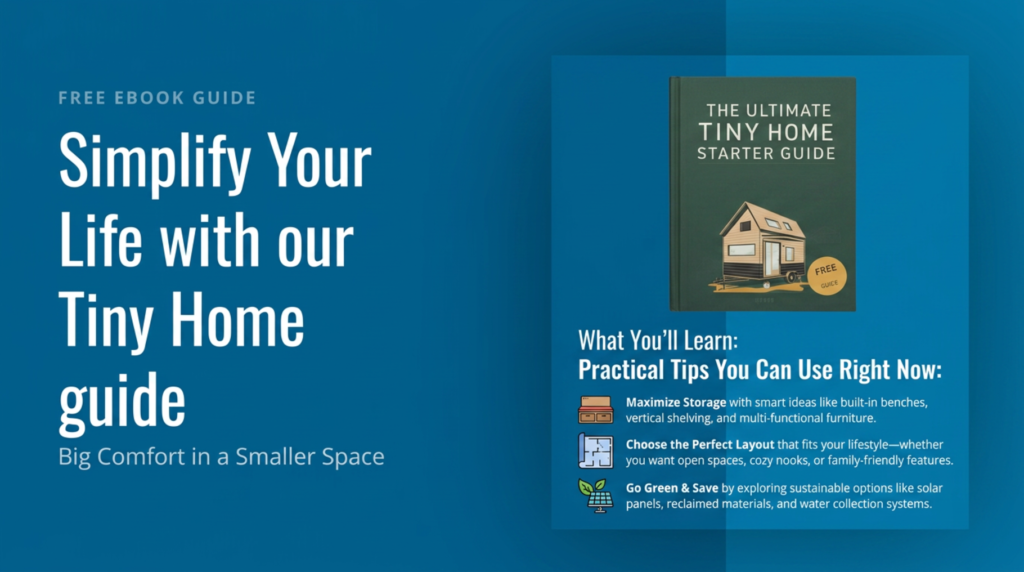
Every tiny home starts with the right supplies – from structural framing and insulation to compact appliances and off-grid power systems. Whether you’re planning a custom build on wheels or a stationary backyard guest house, the supplies you select directly shape the comfort, safety, and efficiency of your finished space, especially if you’re considering Home Depot tiny house kits as a starting point. This guide breaks down the key categories of tiny home supply, what to look for in each, and how to match your choices to your specific vision and lifestyle.
Types of Tiny Home Supply
Tiny home supplies fall into five core categories, each addressing a different aspect of the build and outfitting process. Understanding what each covers will help you shop with confidence and avoid costly missteps.
Building Materials & Components
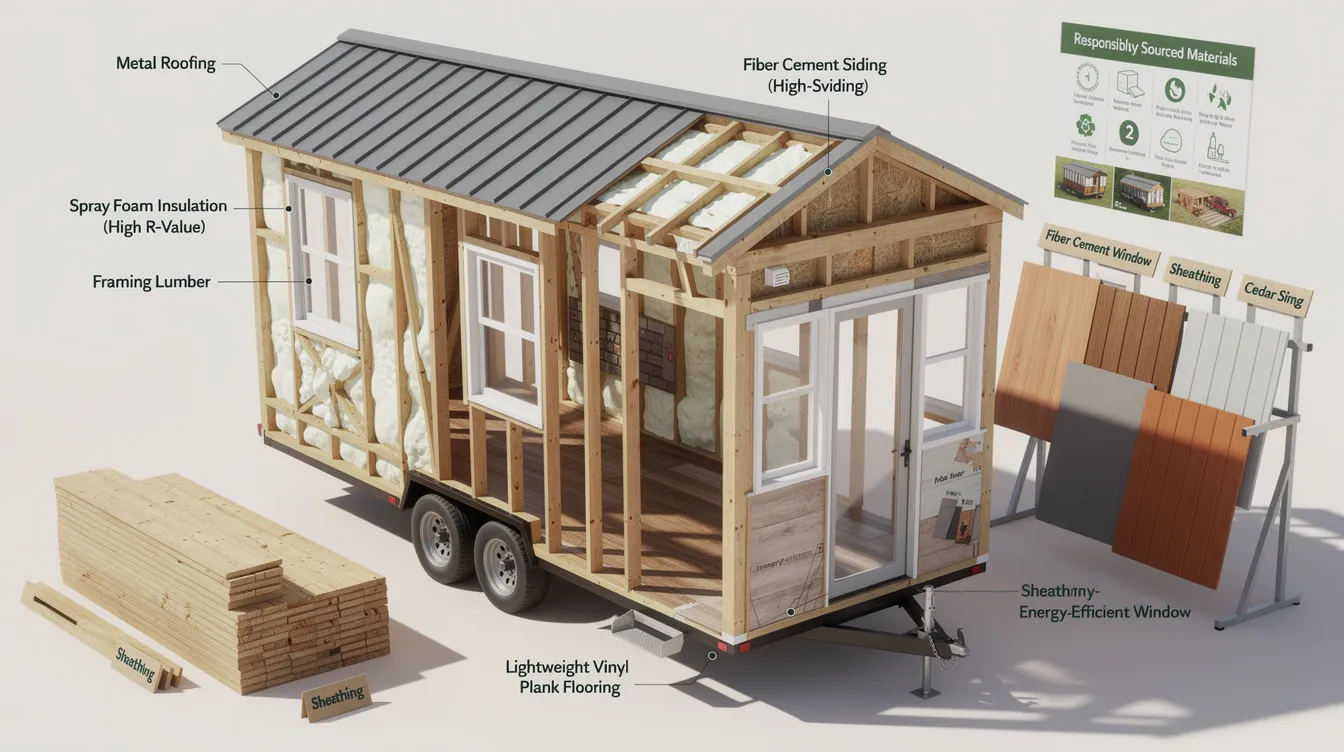
These are the structural essentials: framing lumber, sheathing, siding, roofing, insulation, windows, doors, and flooring. Building a tiny home requires standard construction materials and specialized lightweight components – pressure-treated lumber and sheathing form the skeleton, while fiber cement and cedar are common choices for tiny home siding due to their durability and weather resistance. Metal roofing is favored for its light weight and longevity, and lightweight vinyl plank flooring is used in tiny homes to keep overall mass manageable. Good insulation is vital because tiny homes have a high exterior surface area relative to interior volume; spray foam insulation is popular for tiny homes due to its high R-value, and high-performance insulation prevents drafts that would otherwise make a small space uncomfortable. Energy-efficient windows and doors are common in tiny homes for moisture management, and models like the Cypress feature a signature five-window bay that floods interior space with natural light. Tiny homes can feature hundreds of window and door configurations, allowing the front door and every opening to match your style and climate needs. Tiny homes can also be built with responsibly sourced materials, aligning with the sustainable living practices the tiny house community values.
Compact Appliances & Fixtures
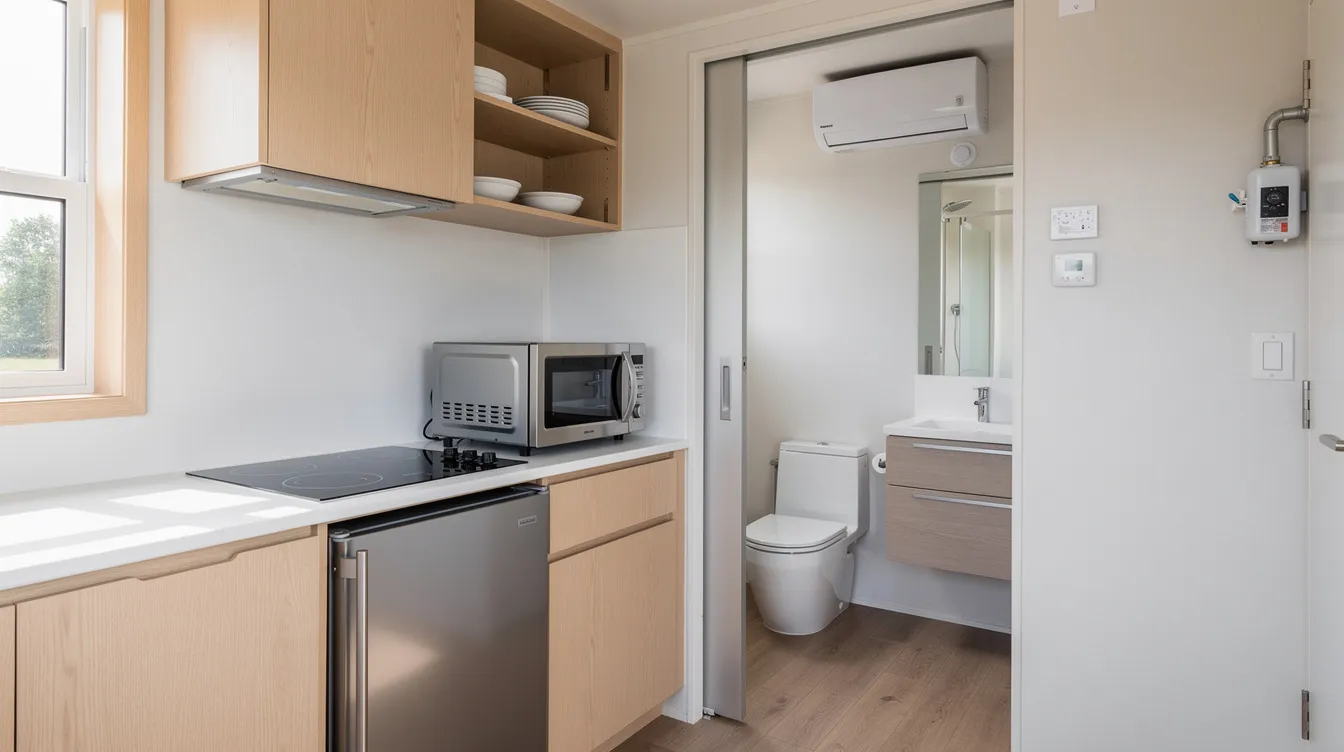
Tiny home kitchens and bathrooms demand appliances designed for minimal footprints and modest power budgets. Compact or RV-sized appliances are required for tiny home kitchens – think half-size refrigerators, two-burner induction cooktops, countertop ovens, and small microwaves with dimensions often under 18 inches wide. Tankless water heaters save both space and energy compared to tank models. In the bathroom, low-flow fixtures keep water use in check, and a composting toilet for tiny houses is a popular solution for tiny homes, as composting toilets eliminate the need for a black water tank entirely. Mini-split heat pumps are efficient for heating and cooling tiny homes, handling climate control without eating into precious floor area. Compact appliances are recommended for tiny home kitchens regardless of whether your build is grid-tied or off-grid.
Multi-Purpose Furniture & Storage
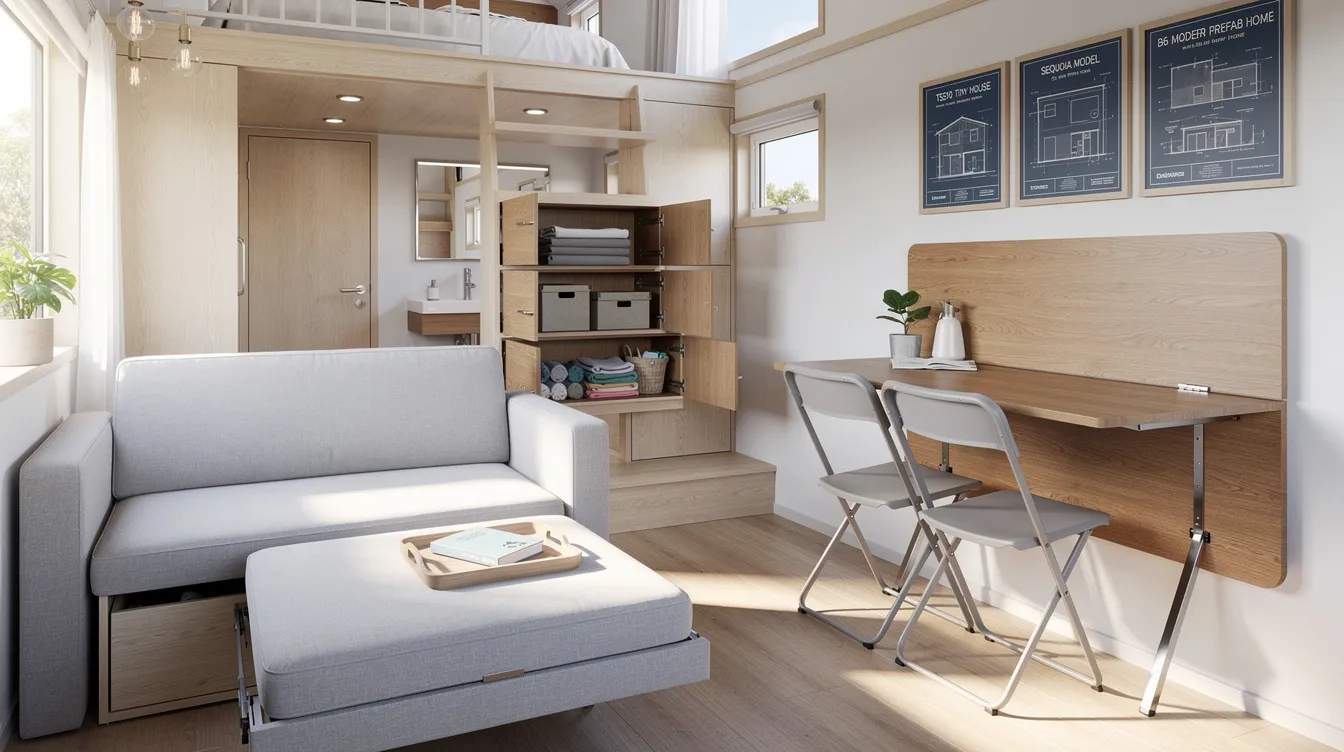
Space-saving furniture is essential for functional tiny home layouts. Sofas that convert to beds, dining tables that fold against the wall, and staircases with built-in drawers maximize every square foot, and you can find more ideas by exploring the world of tiny houses for inspiration and resources. Tiny homes can have studio, one, or two-bedroom layouts – the TS510 Tiny House is 260 sq ft with a bathroom, while the Sequoia model has a footprint of 394 sq ft, and the B6 Modern Prefab Home has three bedrooms and 800 sq ft. Many buyers also opt for top custom tiny homes tailored to their exact layout and style preferences. Regardless of layout, multi-purpose furnishings and smart storage integration are what separate a cozy, livable tiny home from a cramped one. Tiny homes promote a clutter-free lifestyle, and the right furniture makes that possible without compromise.
Electrical & Plumbing Systems
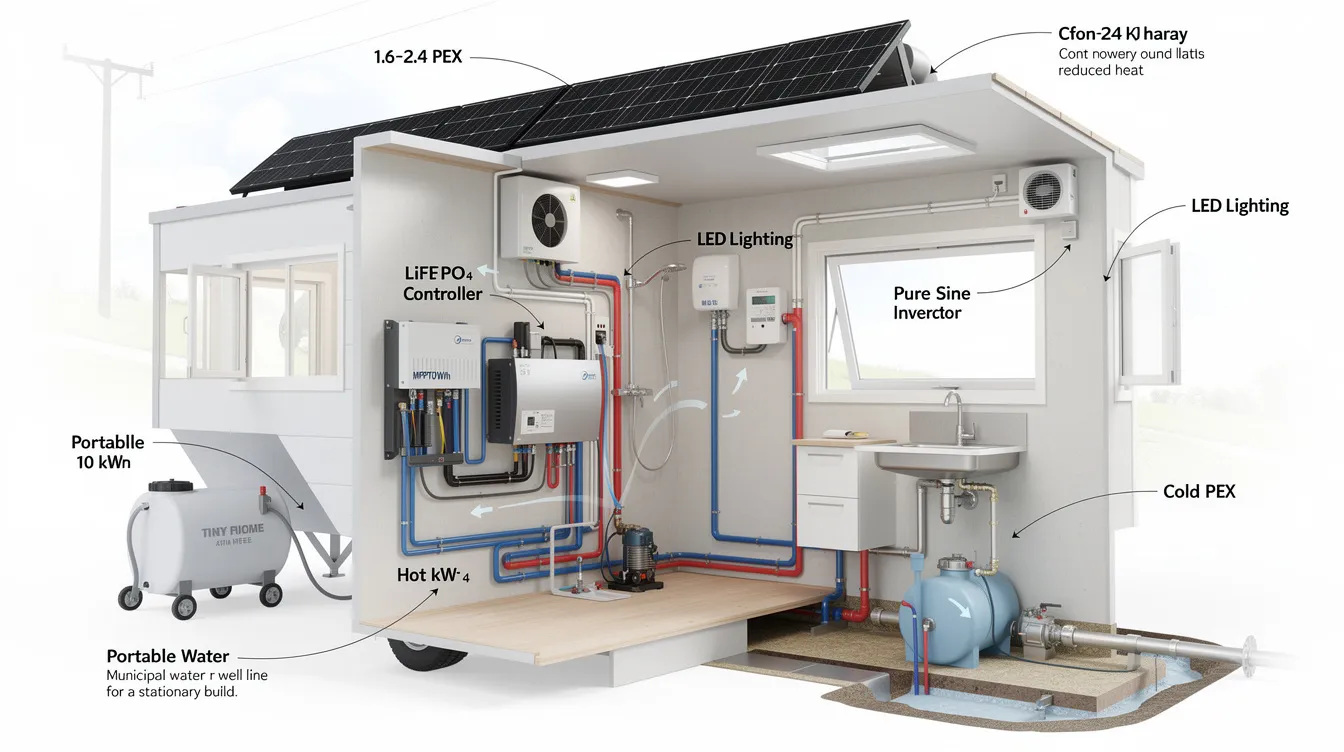
These systems are among the most technically demanding to specify. Off-grid tiny homes typically use monocrystalline solar panels (1.6–2.4 kW arrays), LiFePO₄ battery banks (5–15 kWh depending on comfort level), MPPT charge controllers, and pure sine wave inverters. Grid-tied builds simplify the electrical supply list but still demand careful load planning. LED lighting throughout reduces draw and heat output. On the plumbing side, PEX piping is durable for plumbing in tiny homes, handling both hot and cold supply lines with flexibility that suits tight wall cavities. Portable water solutions are commonly used in tiny homes on wheels, while stationary builds may connect to municipal water or wells. Ventilation is essential in tiny homes to manage moisture buildup – a detail that’s easy to overlook but critical for long-term durability.
Exterior Hardware & Accessories
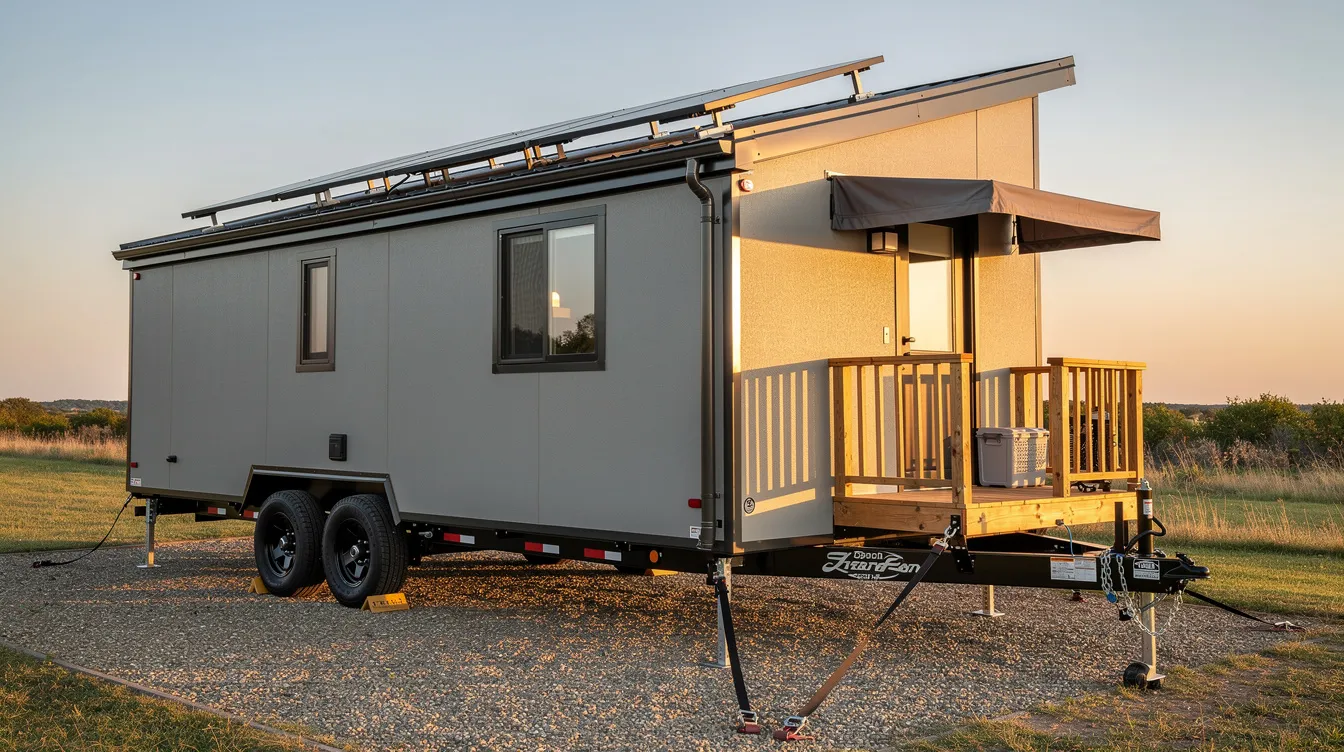
For mobile tiny homes, the trailer is the foundation. Custom-built trailers with high weight capacity are standard for tiny homes, and selecting from the best tiny house trailer brands is essential for mobile tiny home builds – they must be rated for gross vehicle weight, equipped with proper braking systems, and fitted with stabilizer jacks for secure leveling on site. Beyond the trailer, exterior supplies include hitches, tie-downs, metal drip edges, gutters, flashing, solar panel roof mounts, and lifestyle additions like a porch, awning, or compact outdoor storage. Every exterior component must balance weight, durability, and road safety.
What to Look For in Tiny Home Supplies
Not every building material or appliance labeled “compact” is actually suited for tiny living. Here are the key attributes that determine whether a supply item will perform in your build.
Weight and Size Specifications
Because many tiny homes ride on wheels, every pound counts toward legal tow limits and road safety. Trailer axle ratings, tongue weight, and gross vehicle weight rating (GVWR) set hard ceilings. Quality materials are necessary for tiny home builds for durability and efficiency, but they must also be selected with weight in mind – engineered lumber over solid studs, lightweight paneling over drywall. Appliance dimensions must match the available layout: compact fridges under 17.6 cu ft are typical, and countertop ovens with footprints around 10×13 inches help maximize counter space. Tiny home building typically requires circular saws and impact drivers to work efficiently with these lighter, precisely sized materials.
Energy Efficiency Ratings
Low power consumption is non-negotiable for off-grid builds and a major value driver even on the grid. Look for Energy Star ratings, and pay attention to startup surge – a refrigerator compressor can draw several times its running wattage when it kicks on. Energy-efficient windows are important for tiny home durability and thermal performance alike, reducing the load on your heating and cooling system. High-efficiency insulation is standard in tiny home designs for the same reason: in a structure with so much surface area per interior square foot, every gap in the thermal envelope costs disproportionate energy.
Durability and Weather Resistance
Mobile tiny homes face vibration, road rattle, and thermal cycling that fixed homes never encounter. Materials need to resist warping, rot, and corrosion. Metal siding with SMP coatings, closed-cell spray foam insulation, and marine-rated hardware all deliver the resilience these conditions demand. For stationary builds in harsh climates – coastal salt air, heavy snow loads, extreme heat – premium materials with weather-tested coatings and proper flashing details are equally important. Cutting corners on durability leads to maintenance headaches that tiny living is supposed to eliminate: living in a tiny home reduces maintenance needs, but only when quality supplies are used from the start.
Space Optimization Features
Every supply item should earn its place. Dual-function appliances (convection/microwave combos, induction cooktop/oven units), fold-down work surfaces, and compact bathroom fixtures all contribute to a higher usable-volume ratio. Customization includes options for kitchen and bathroom layouts – the right supplies let you create a layout where nothing feels cramped. Tiny homes can include energy-efficient, cost-effective separate spaces like a studio or home office without adding unnecessary square footage, as shown by great tiny homes that redefine small space living.
How to Choose the Right Tiny Home Supplies
Once you know what to look for, these four decision criteria will simplify the selection process and help you purchase with confidence as you learn how to build a tiny house from initial planning through final finishes.
- Living situation (mobile vs. stationary) – A tiny home on wheels demands lighter framing, trailer-rated hardware, RV-compatible fixtures, and supplies that can handle road vibration. A stationary backyard unit or guest house can accommodate heavier premium materials, full-size appliances, and permanent utility connections. This single decision shapes nearly every supply choice downstream.
- Power source (grid-tied vs. off-grid) – Off-grid builds require solar panels, battery banks, inverters, and charge controllers sized to your daily consumption – plus propane or gas appliances to take major loads off the electrical system. Grid-tied builds shift the priority to affordability and energy efficiency ratings rather than battery capacity and surge tolerance.
- Climate and location – Cold climates call for high R-value insulation, sealed windows, and freeze-protected plumbing. Hot, humid regions benefit from reflective roofing, radiant barriers, and mini-split systems. Coastal sites demand corrosion-resistant exterior hardware. Solar panel array sizing depends directly on your location’s sunlight availability – a detail your supplier or installer can help you calculate.
- Budget and timeline – Weigh upfront cost against lifecycle value. Wood framing costs less initially but requires ongoing maintenance; metal framing costs more but resists pests, rot, and fire. LiFePO₄ batteries carry a higher purchase price than lead-acid but last far longer and deliver better usable capacity. Tiny home builders provide financing options for buyers to help manage these costs, and many affordable tiny house designs pair budget-friendly layouts with smart material choices. Most tiny homes can be built in about 12 months, but specialty components like custom trailers, hybrid inverters, and marine-rated appliances may have lead times of weeks to months – early sourcing is key. The buying process includes design, permits, and installation support, so factor those timelines into your plan.
Frequently Asked Questions
What supplies are essential for a basic tiny home build?
At minimum, you need a trailer frame (if mobile), structural framing lumber or metal studs, roofing and siding, insulation, windows and doors, electrical wiring with a panel or inverter setup, plumbing supply and drainage components, a compact refrigerator, cooktop, water heater, bathroom fixtures (sink, shower, toilet), and safety items like smoke and CO detectors. Building materials for tiny homes include pressure-treated lumber and sheathing for the structure, and you’ll want space-saving furniture to make the interior functional. Specialized tiny home suppliers and major hardware retailers are recommended for sourcing materials – use local stores for standard lumber and insulation, and specialty catalogs for RV-rated appliances, off-grid power gear, and trailer components.
How do I know if appliances will work in my tiny home’s electrical system?
Check three numbers for every appliance: continuous wattage, startup surge (especially for compressors and motors), and operating voltage (120V vs. 240V). Add up your estimated daily watt-hour consumption and peak simultaneous draw, then confirm your inverter, battery bank, and solar array can handle both. For off-grid setups, a pure sine wave inverter is essential for motor longevity. Builders like Pacifica Tiny Homes provide regular build process updates that include electrical system verification – if you’re working with a professional builder, they can assist with load calculations.
Where can I find specialized tiny home supplies vs. standard home improvement supplies?
Standard building materials – lumber, insulation, basic plumbing fittings – are available at any major hardware retailer. For compact appliances, RV-rated fixtures, off-grid power components, composting toilets, and custom trailers, turn to specialty tiny home and RV suppliers. Many solar and off-grid system manufacturers offer kits sized specifically for tiny house use. Studio Home has completed over 6,000 projects in 18 years and offers millions of design combinations, while companies like Pacifica Tiny Homes provide premium features for customization. Online catalogs and tiny home community forums are also helpful for discovering niche products.
What’s the difference between RV supplies and tiny home supplies?
RV supplies are engineered for frequent movement – appliances tend to be lighter, electrical systems often run on 12V/24V DC, and hookups are designed for shore power and dump stations. Tiny home supplies overlap significantly but may be built to residential code standards, use full grid voltage, and prioritize comfort and finish quality over extreme weight savings. A key distinction is regulatory: RV components carry RV or marine certifications, while foundation-based tiny home builds may need to meet local residential building codes. Many tiny home builders blend both – using RV-rated appliances and plumbing in a structure framed to residential standards. Models like the Larch offer four architectural styles and the GN-791 Prefab Home includes two bedrooms and 400 sq ft, showing how the category spans everything from mobile micro-dwellings to modern prefab homes.
Start Building Your Dream Tiny Home
The right tiny home supply transforms a vision into a livable, efficient space – whether you’re creating a mobile home on wheels, a cozy backyard studio, or an affordable family guest house. Tiny homes can be customized in layout and finishes to reflect your priorities, from a 260 sq ft single-room build to an 800 sq ft multi-bedroom prefab, whether you’re evaluating whether a tiny house for sale is right for you or planning a DIY build. Tiny home living can lead to financial savings and often encourages sustainable living practices that benefit both your budget and your community. Explore the categories above, match your supplies to your specific living situation and climate, and discover the possibilities that tiny living opens up. Your journey starts with the supplies you choose – plan carefully, and build with confidence.