



If you own a cabin or tiny home away from municipal infrastructure, you already know the challenge: how do you get normal plumbing without a city sewer connection? Small septic systems for cabins solve exactly that problem, and this guide walks you through every decision you need to make in 2026.
Key Takeaways
Small septic systems let cabins and tiny homes have flush toilets, showers, and sinks without connecting to town sewage systems. They provide running water convenience in remote locations and eliminate the need for an outhouse, delivering real comfort where it matters most. A “small septic system” is still a real engineered system with a septic tank and drain field, just sized for lower daily flows and seasonal or part‑time use.
Choosing between a conventional septic system, holding tank, or alternatives like a composting toilet paired with a grey water system depends on your soil, available space, how much water your household uses, and local rules. Good design, including the right tank size, a correct drain field, and careful toilet paper habits, prevents backups, odors, and groundwater contamination. In most regions as of 2026, you must involve your local health department and a licensed installer before any work begins, even at remote cabins. The benefits of getting this right are decades of reliable, low-cost wastewater management on your own property.
What Is a Small Septic System for a Cabin?
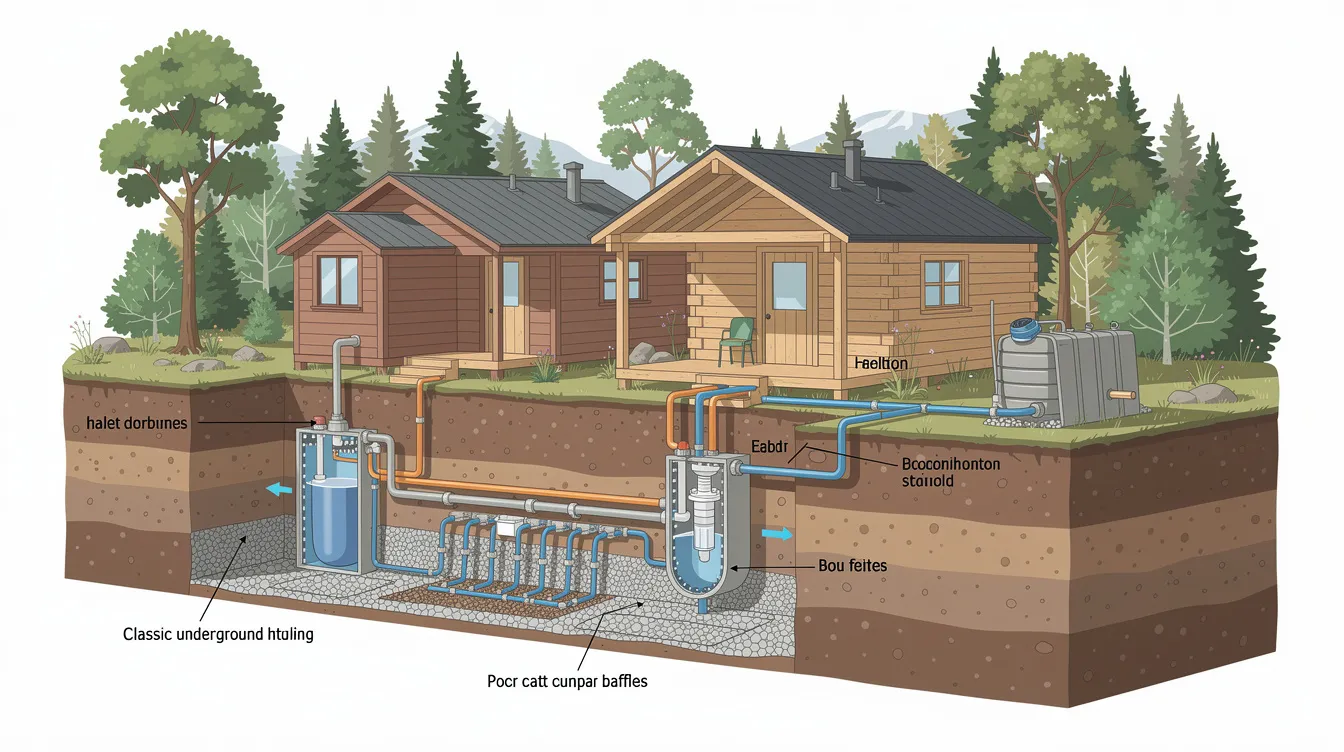
A small septic system is a downsized onsite sewage system that serves a cabin, cottage, or tiny home not connected to municipal sewage systems. It includes the same core components as any private septic system: a buried septic tank, usually made of concrete, fiberglass, or polyethylene, sized between 500 and 1,000 gallons for small cabins, and a drain field (also called a leach field) that disperses treated effluent into the soil. These septic systems treat wastewater on-site, minimizing pollution risks to surrounding land and water.
Unlike a composting toilet designed for tiny houses that only handles toilet waste, a full system manages wastewater from toilets, showers, bathroom sinks, kitchen sinks, and laundry. The “small” label refers to lower design flow, typically for one to four people with weekend or seasonal use, not to any reduction in safety or treatment performance.
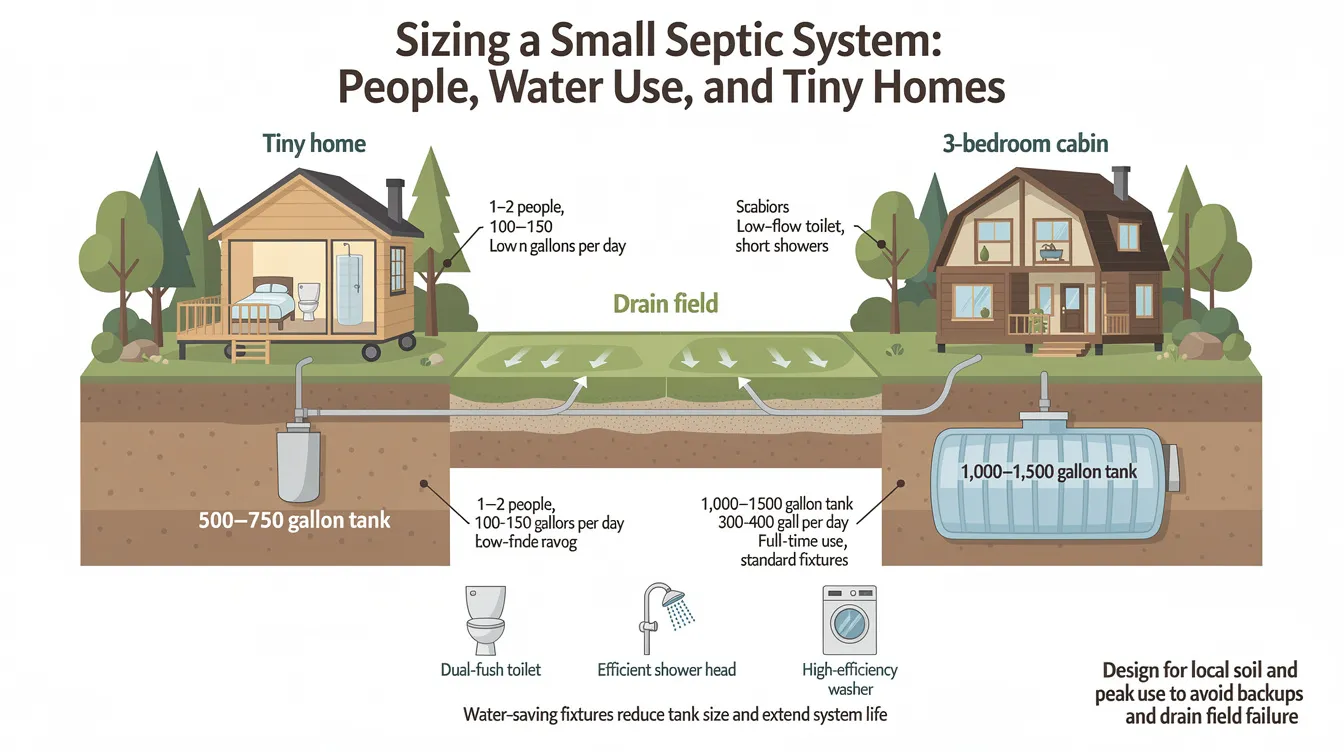
Consider the difference: a two‑person weekend fishing cabin might generate 50–100 gallons of wastewater per day and work fine with a 500–750 gallon tank. A full‑time four‑person family cabin with daily showers, cooking, and laundry could need a 1,000–1,500 gallon tank and a much larger drain field. Same idea, very different scale.
How a Cabin Septic System Works
Every flush, shower, and dish rinse starts the same journey. Wastewater leaves your fixtures and flows through a single building sewer pipe into a watertight septic tank buried in the ground. Inside the tank, the process is straightforward: solids settle to the bottom as sludge, fats and lighter matter float to the top as scum, and clearer liquids collect in the middle layer. Bacteria in the tank slowly break down organic matter in an oxygen-poor environment, effectively turning your tank into one of many digesting tanks working around the clock.
The liquid waste, now called effluent, flows out from the other end of the tank through a pipe into the drain field. There, perforated pipes laid in gravel trenches let the effluent seep into surrounding soil. The soil itself acts as a biological filter, with naturally occurring microbes removing pathogens and nutrients as the water percolates downward before reaching groundwater.
Seasonal use of a cabin can impact septic system performance due to reduced bacteria activity. When a cabin sits idle for weeks, anaerobic bacteria populations decline, and biofilms in the drain field can dry out. That is why proper sizing, adequate tank volume to buffer peak-use weekends, and correct venting for gases are all critical even for a small system that only sees occasional sewage flow.
Types of Small Septic and Wastewater Options for Cabins
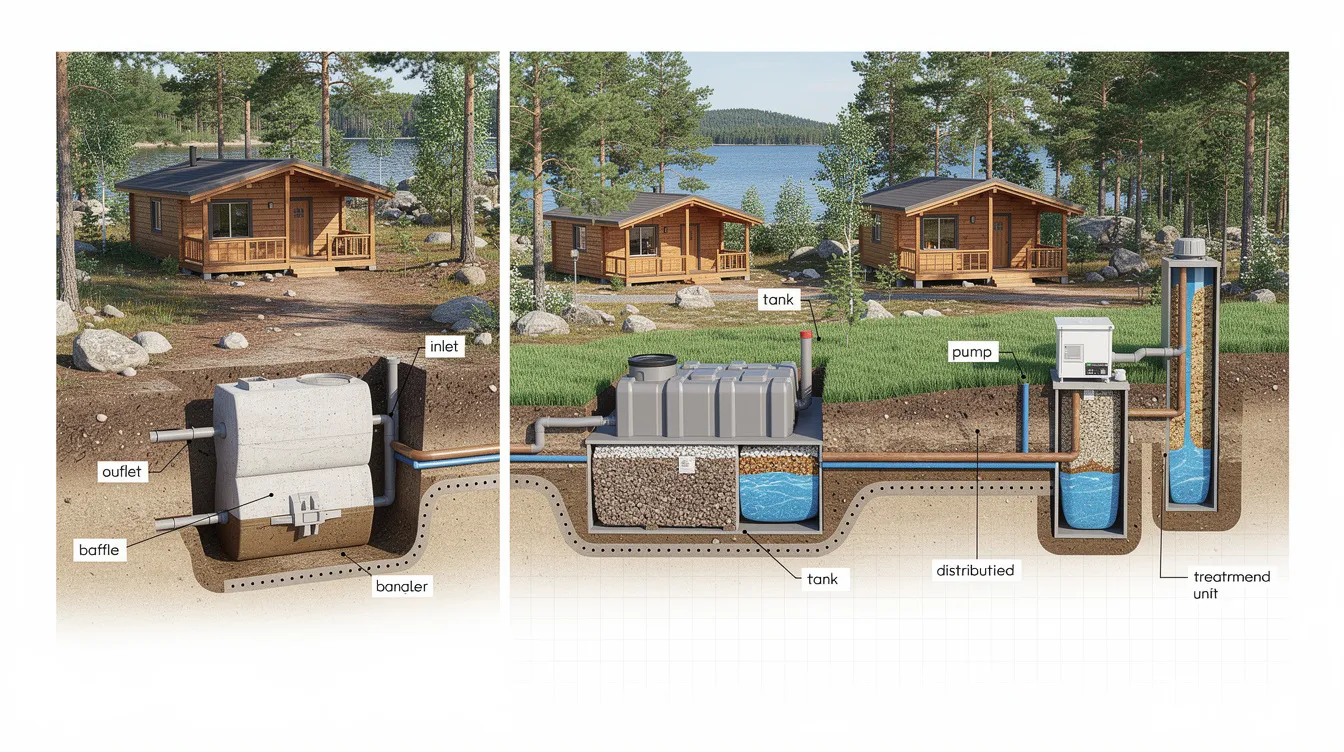
Cabin owners in 2026 commonly choose among several wastewater paths. Which one fits depends on soil depth, slope, distance to water, climate, budget, and whether the cabin sees year‑round or seasonal use. Installation of alternative septic systems may be more expensive than conventional systems, so understanding the trade-offs upfront saves money and frustration.
Here is a quick comparison:
System Type | Best For | Key Consideration |
|---|---|---|
Conventional septic system (tank + gravity drain field) | Good soil, adequate space, year-round or seasonal use | Conventional septic systems use a tank and drain field; lowest ongoing cost |
Holding tank | Poor soil, temporary use, very small lots | Holding tank systems require regular pumping when full |
Mound / raised bed | Shallow bedrock, high water table, clay | Mound septic systems are used when soil is too shallow |
Aerobic treatment unit | Sensitive sites near lakes, tight lots | Aerated wastewater treatment systems use oxygen to treat sewage and can produce reusable irrigation water |
Composting toilet + greywater system | Off‑grid tiny home, minimal diggable area | Composting toilets are a low-maintenance alternative to septic systems, and a dedicated grey water system for a tiny house manages sink and shower runoff |
Some cabin owners use a second tank in series to improve effluent quality before it reaches the dispersal field. Others repurpose IBC totes as a DIY septic tank solution for off-grid cabins, though local code compliance should be verified. In certain tiny home setups, RV-style macerating toilets with small lift stations handle situations where the cabin sits below the drain field elevation. Aerobic treatment units promote faster waste breakdown using oxygen and can feature smaller drain fields compared to traditional designs. Compact biofilters use engineered materials to treat waste with smaller drain fields as well. |
Conventional Small Septic System vs. Holding Tank
Many cabin owners debate between installing a full conventional septic system or using a simple holding tank that gets pumped regularly. Both qualify as private septic systems, but the long-term math is very different.
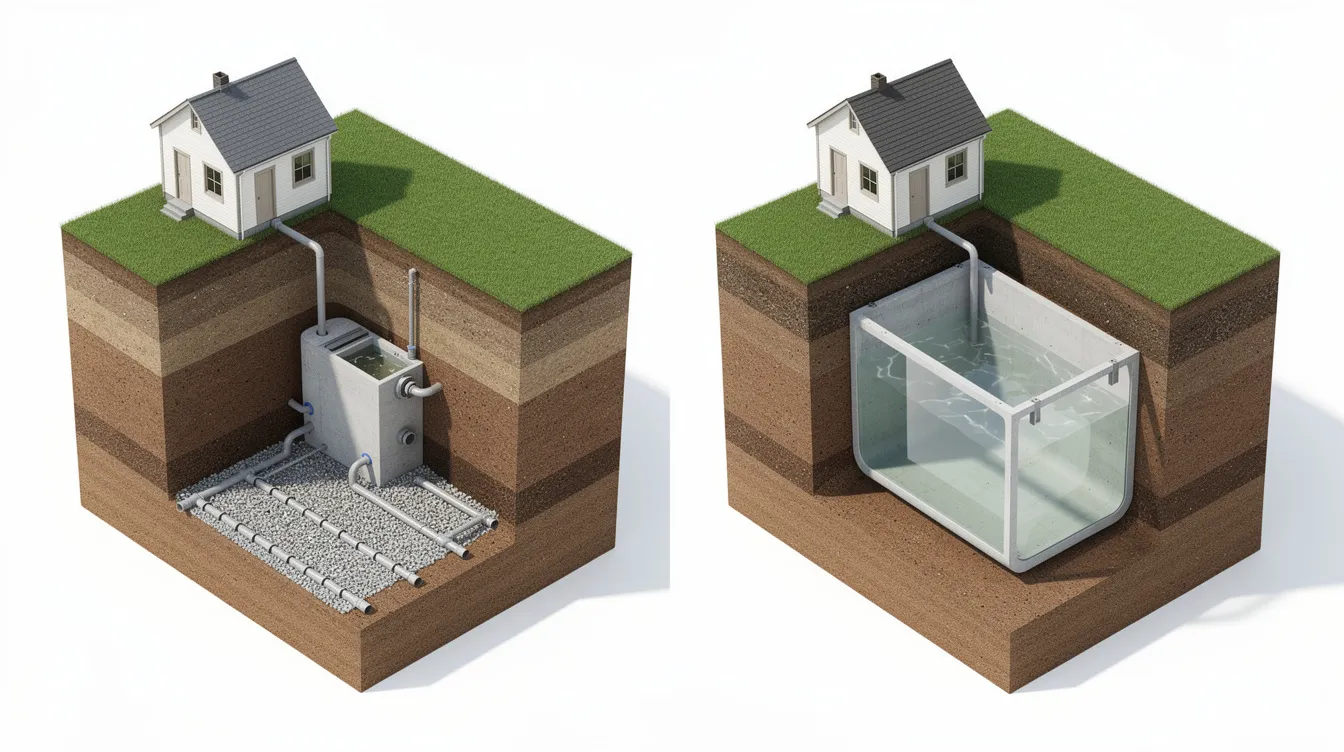
A conventional system includes a septic tank plus a drain field. Only treated water enters the soil, and day‑to‑day running cost is minimal since most systems run on gravity alone. Upfront installation cost is higher, but the system pays for itself over years of use.
A holding tank is a sealed tank with no drain field. All wastewater is stored until a vacuum truck pumps it out. Installation cost is lower, but every time the first holding tank fills up, you are paying $250–$500 per pump visit. If guests use large amounts of water, the holding tank fills fast and costs spike.
Consider this: a 600–1,000 gallon holding tank at a once‑a‑month hunting cabin might only need pumping a few times per season. But for a full‑time tiny home where someone takes a daily shower, runs laundry, and uses sinks regularly, pump-out frequency could become a big deal financially. A standard flush toilet uses 1.28–1.6 gallons per flush with low-flow models versus 3–5 gallons with older units. A five-minute shower at 2.5 gallons per minute uses about 12.5 gallons. Knowing how much water you actually use is the key to deciding which path makes sense.
Drain Fields, Mound Systems, and Limited Space Solutions
The drain field is where the real treatment happens. Cabin properties often face constraints: thin soil over rock, steep slopes, small clearings, or proximity to lakes and streams. Soil type and percolation tests are essential for septic system planning, and most jurisdictions require a perc test before any permit is issued.
A standard drain field uses perforated pipe in gravel trenches. It requires soil that drains at an acceptable rate (typically under 60 minutes per inch) and enough room to maintain setback distances from wells, property lines, and surface water. Chamber systems replace traditional gravel-filled trenches with plastic chambers, simplifying installation on some sites.
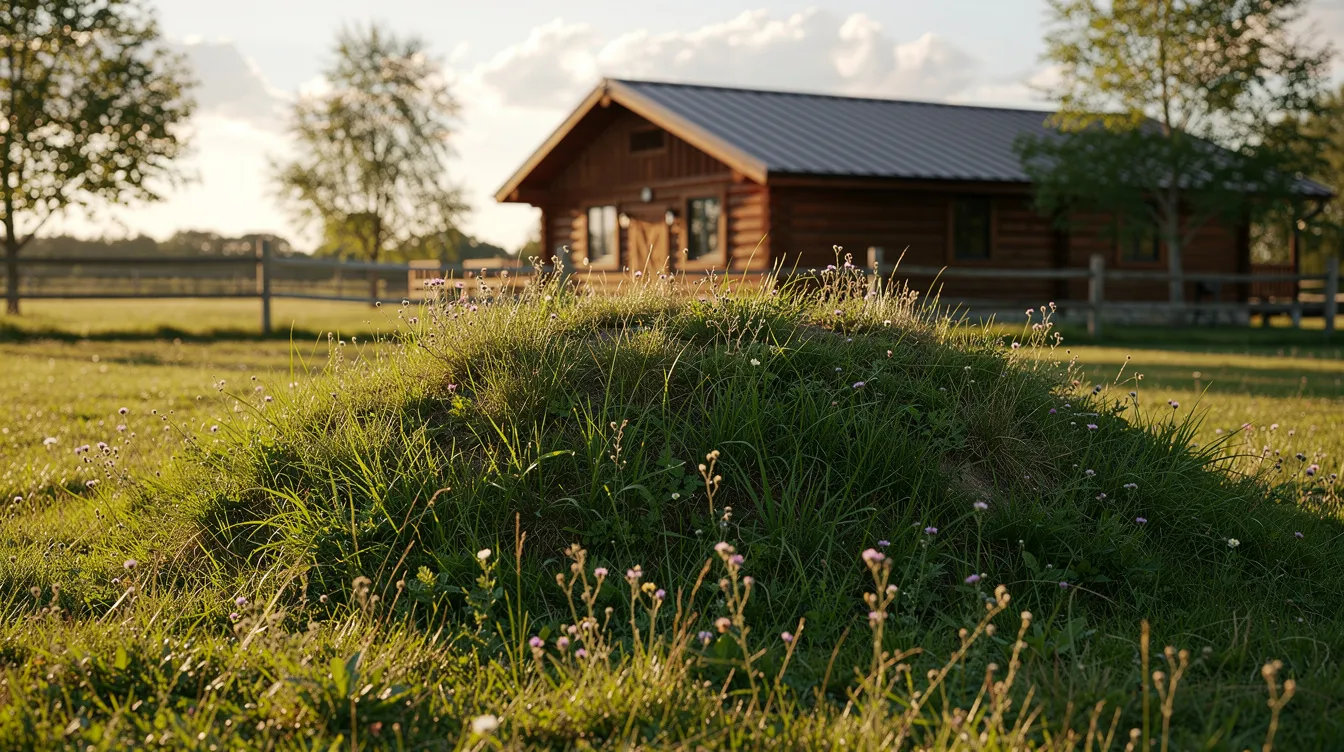
A mound septic system is necessary when soil is too shallow. These systems bring in imported sand and gravel to create a raised bed with distribution pipes on top of poor native ground. They are common where high water tables or bedrock sit within three to four feet of the surface.
Compact or pressure‑dosed drain fields can fit smaller lots but typically need a pump and electricity. Regardless of type, keep trees and heavy vehicles away from the dispersal field. Tree roots can damage septic system pipes and cause clogs, and parking on the field compacts soil and crushes drain lines. Protecting the land above your field is just as important as what happens below the surface.
Septic Systems vs. Composting Toilets and Other Alternatives
Many off‑grid cabins consider a range of off-grid sanitation ideas such as a composting toilet or incinerating toilet to avoid a full septic system. Composting toilets require no plumbing or water, making them attractive for remote sites, and they fit into broader tiny house waste management options that also include grey water and septic solutions. Urine‑diverting models reduce moisture and smell, and composting toilets are ideal for full-time tiny living where water supply is limited. The compost produced must be managed properly, but most models are straightforward to maintain.
Even with a composting toilet, grey water from showers, sinks, and laundry still needs a legal disposal method, typically a small greywater leach pit or scaled-down septic system.
Incinerator toilets burn waste, leaving sterile ash behind. Electric incinerator toilets use 1–2 kWh per cycle, which can be a significant load for a small solar setup. Propane models also exist but generate heat in the bathroom that can be uncomfortable in summer.
A full septic system makes more sense for full‑time living, larger families, or anyone wanting standard flush toilets, a shower, and a washing machine, and there are several tiny house septic options for sustainable living that adapt this approach to very small dwellings. Composting toilets shine in very small tiny home builds, on limited or sensitive lakefront land with strict rules, or where you simply cannot dig a proper drain field. Different models suit different cabin lifestyles; the key is matching solid waste and liquid waste management to how you actually live at the cabin.
Sizing a Small Septic System: People, Water Use, and Tiny Homes
Undersizing a cabin septic system leads to backups and drain field failure. Oversizing slightly is cheap insurance. Septic system design should match local soil conditions and expected usage, and water usage varies significantly among cabins and affects septic system design.
Designers estimate daily flow using bedroom count or fixture count. Many jurisdictions follow the 2024 International Private Sewage Disposal Code, which sets minimum tank sizes at 750 gallons for one to two bedrooms and 1,000 gallons for three bedrooms, regardless of actual occupancy.
Concrete examples of choosing the right small septic tank for one bathroom scenarios:
- A one to two person tiny home with a low-flow toilet and short showers might be designed at 100–150 gallons of daily flow and a 500–750 gallon tank.
- A three-bedroom, full-time cabin with standard fixtures may be sized at 300–400 gallons per day with a 1,000–1,500 gallon tank, and when planning this kind of build it helps to understand how to hook up a tiny house to utilities, including septic, water, and power connections.
Water-saving fixtures make a meaningful difference, and understanding Enviro septic system cost and design factors helps you see how efficiency upgrades affect overall project budgets. Dual-flush toilets, efficient shower heads, and high-efficiency washers shrink required system size and extend the life of a small system. Weekend cabins can sometimes use smaller tanks, but designers still account for peak use when several guests visit at once, because that is when the system faces its hardest test.
What You Can and Can’t Flush (Toilet Paper and Other Cabin Habits)
Cabin septic systems are more sensitive to abuse than city sewage connections. A small tank and drain field sized for a few people cannot handle what a municipal sewer pipe connected to a treatment plant can.
Only human waste and septic-safe toilet paper should go down the toilet. Never flush wipes (even “flushable” ones), paper towels, feminine products, cotton swabs, dental floss, or grease. These do not break down and will clog baffles or accumulate in the tank.
Toilet paper habits matter more than most cabin owners realize:
- Break or tear reasonable lengths rather than unrolling huge wads.
- Heavy use of ultra-thick paper can clog the inlet baffle and require a service call.
- Keep a small trash bin with a lid in the bathroom for guests used to city sewage systems.
Household chemicals are another concern. Avoid pouring bleach, drain cleaner, paint, or solvents down cabin drains, because they kill the beneficial bacteria your digesting tanks depend on. Use biodegradable soaps and cleaners compatible with septic systems. For short-term rental cabins or a house shared by extended family, posting a simple “what not to flush” sign in the bathroom prevents expensive problems. Organic matter in the tank needs living bacteria to break down; protecting that biology is not optional.
Installation, Permits, and Typical Costs for Cabin Septic Systems
Even remote cabins require permits and inspections for new septic systems, and local regulations dictate septic system design and installation. Septic systems require a permit for legal installation in virtually every U.S. and Canadian jurisdiction as of 2026. Local regulations also dictate septic system permit requirements and design specifics.
The normal process looks like this:
- Site evaluation and soil testing, including a perc test where a technician measures how quickly water drops through a test hole.
- System design by a licensed designer or engineer.
- Permit application with local health department or county.
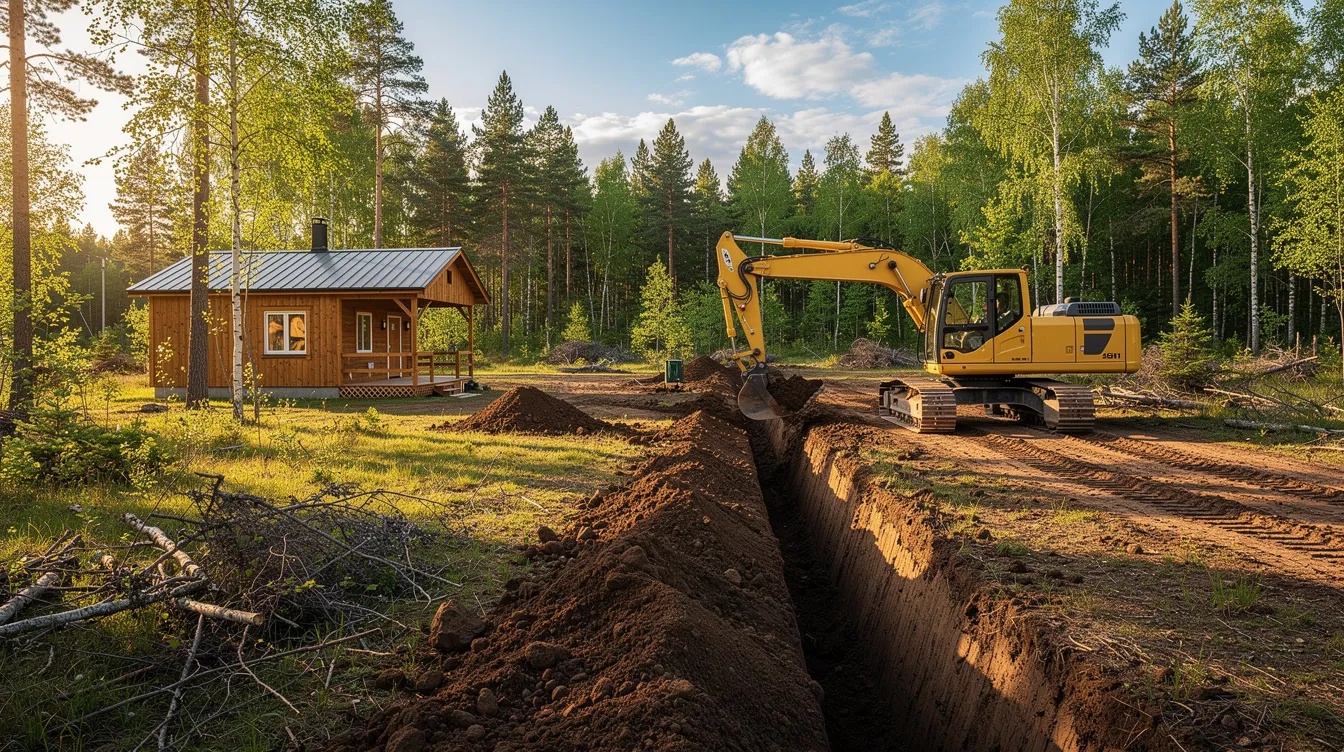
- Excavation: contractors dig the tank pit and drain field trenches, install ABS pipe or other approved plumbing, and set the tank.
- Final inspections and approval before backfilling and use.
Septic system installation costs range from $9,000 to $15,000 for a basic small conventional system, depending on soil, depth, and site access. Some sources report ranges as wide as $2,900 to $18,600 when accounting for alternative systems or difficult conditions. Holding tanks cost less to install upfront but carry recurring pump-out charges.
Extra cost drivers for cabins include long driveways for vacuum trucks, rock excavation in rural lots, or cold weather construction premiums when frost forces deeper excavation. Septic systems also reduce environmental disruption during installation compared to running sewer lines miles to a treatment plant. Get at least two quotes and check installer references, especially for remote properties where later repairs are harder.
Operation, Maintenance, and Protecting Nearby Lakes and Wells
A well-built small septic system can last 25–40 years or more at a lightly used cabin if pumped and cared for correctly. Most private septic systems fail not from age but from neglect. Septic systems require regular maintenance and inspections every 3–5 years. For part-time cabins, pumping every three to five years is typical. Full-time tiny homes or rental cabins may need more frequent attention.
At each pump-out, have a professional inspect baffles, tank integrity, and drain field function. A well-maintained septic system can recharge groundwater supplies, returning filtered fresh water to aquifers rather than contaminating them.
Neglected systems create real environmental damage. Untreated sewage can leak nitrates and bacteria into nearby wells, streams, or lakes. This is especially critical for waterfront cabins and shallow wells. To maintain your system and protect surrounding water:
- Keep heavy vehicles and structures off the drain field.
- Maintain required setback distances from wells and surface water bodies.
- Redirect roof and driveway runoff away from the field to prevent saturation.
Keep clear records: installation drawings, pump-out dates, and repair history. Future owners and service providers need to know exactly where the tanks, lines, and drain field sit on the property, especially under winter snow.
FAQ: Small Septic Systems for Cabins and Tiny Homes
These questions address practical issues not fully covered above.
How do I winterize a small septic system at a seasonal cabin?
For cabins using dry toilets, it is worth looking at the best composting toilets for tiny house winter to ensure reliable cold-weather performance alongside your septic or greywater setup.
Shut the water supply off, drain interior plumbing lines, and add non-toxic antifreeze to fixture traps. Leave the septic tank itself full – never pump it dry right before winter, because the liquid mass helps prevent freezing in cold climates. Mark tank lids and drain field edges before snowfall so they are easy to find if service is needed. Maintaining natural snow cover over the tank and field provides insulation, so avoid plowing directly over those areas.
Can I add a small septic system to an existing off‑grid cabin?
If your goal is a fully independent setup, many owners pair a new septic or greywater system with other self-sufficient tiny home upgrades like solar power and rainwater harvesting.
Retrofitting is usually possible if there is enough suitable soil for a drain field and room to meet setbacks from wells and property lines. Adding indoor plumbing and a septic system to a cabin that previously relied on an outhouse may trigger broader permitting, including building, electrical, or well upgrades. Start with a site and soil evaluation by a local septic designer before planning interior renovations in your house.
How long does a drain field typically last at a lightly used cabin?
A properly designed drain field that is not overloaded can last 30–40 years or more when serving one to four people on weekends and holidays. Failures usually stem from chronic overloading with too much water, vehicle traffic compacting the ground, or tree roots invading pipes – not simply from age. Watch for warning signs like soggy ground, persistent odors near the field, or slow drains inside the cabin, and act early if they appear.
Do tiny homes on wheels need a traditional septic system?
Regulations vary. Some councils treat a parked tiny home like any dwelling and require a code‑compliant septic or approved alternative. Many tiny homes use RV‑style holding tanks, composting toilets, or incinerating toilet models, but grey water from sinks and a shower still needs legal disposal. Check local rules before parking a tiny home long‑term on your land, even if it has built‑in tanks.
How much water use is “too much” for a small cabin septic system?
Occasional heavy weekends are usually fine if the system was properly sized. Running multiple loads of laundry, long showers, and a dishwasher cycle every day can overload a system designed for light use. Track your household habits and compare them with the design flow noted on your installation documents. If your cabin use has grown, upgrade to more efficient fixtures, install a barrel-style rain catchment for non-potable tasks, or consider expanding the system with professional help.