
Choosing the right water heater for a small home can feel overwhelming when space is tight and every dollar counts. Whether you live in a studio apartment, a tiny house, or a compact one bathroom bungalow, you need a system that delivers reliable hot water without eating up valuable square footage. This guide walks you through sizing, fuel options, installation tips, and cost comparisons so you can find the best fit for your small home.
Quick Answer: Best Water Heater Options for a Small Home in 2026
For most small houses in the U.S. in 2026, two options rise to the top: a compact electric water heater with a storage tank in the 6–30 gallon range, or a small electric or gas tankless water heater that heats water on demand. Both deliver dependable hot water, but they serve different needs.
How they compare:
- A small electric tank (6–30 gallons) is the simpler, more budget-friendly choice. Compact storage tank water heaters are budget-friendly options for smaller homes, and traditional storage tanks can be installed easily and offer reliable performance. They work well for small apartments, studios, and homes with predictable hot water needs.
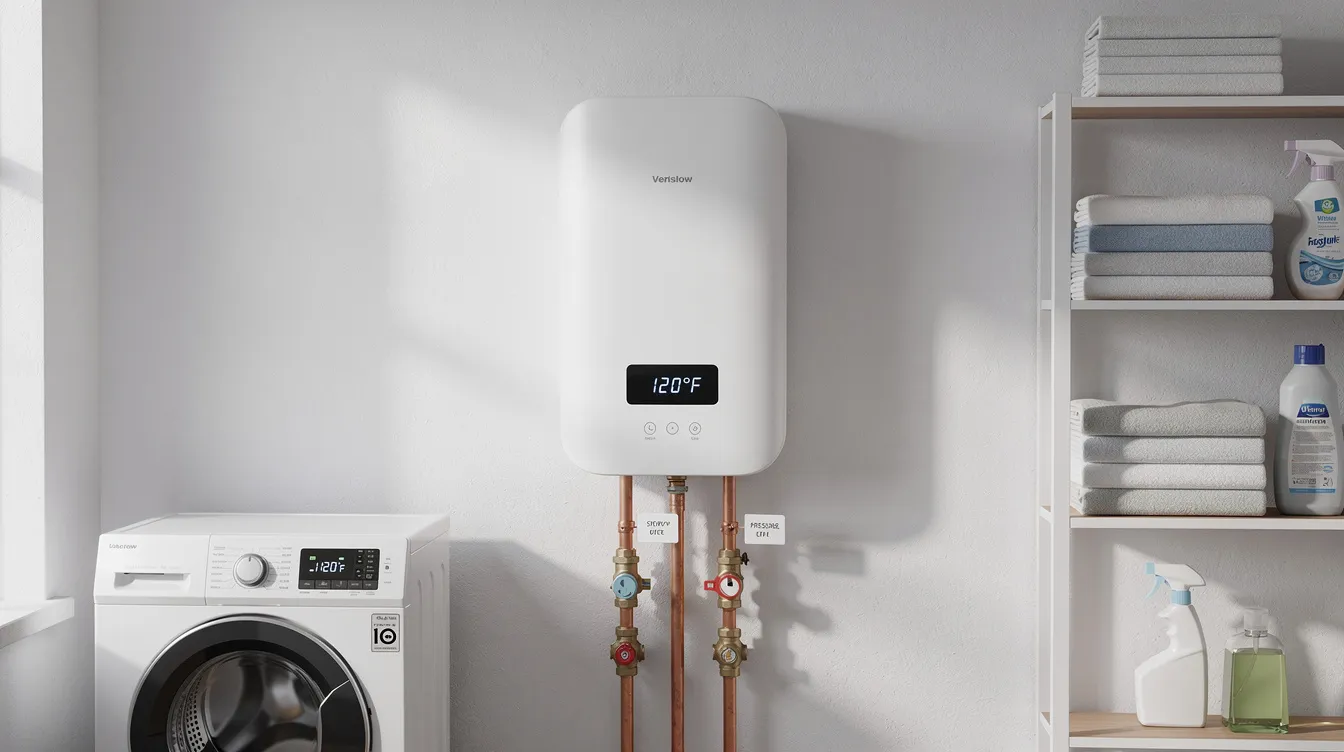
- A compact tankless unit mounts on a wall, saves space compared to traditional tank heaters, and provides instant hot water on demand. It suits tiny homes and homeowners who want continuous flow without a bulky tank.
Realistic capacities to keep in mind:
- 6–12 gallon point-of-use electric tanks for a single sink or shower
- 18–30 gallon electric tanks for homes with one or two bathrooms
- Small natural gas or liquid propane tankless units (3–5 GPM) for whole-home instant hot water
Your top priorities should be compact design, easy installation, and energy efficiency. Modern 120V electric mini-tank models check all three boxes.
The rest of this article covers how to size your heater, choose a fuel type, install it properly, and manage costs.
How to Size a Water Heater for a Small House
Even a home under 1,200 sq ft with one bathroom still needs a correctly sized water heater. Undersized units leave you with cold showers; oversized ones waste energy and space.
Two metrics matter most:
- First hour rating (FHR) for tank heaters – how many gallons of hot water the unit delivers in its first hour of heavy use. Higher FHR means more hot water available during peak demand like morning routines.
- Flow rate in GPM for tankless heaters – how many gallons per minute the unit heats. You need enough GPM to handle all fixtures running at once.
Capacity guidance for small homes:
- Select 1.3–2.5 gallons for single sinks (point-of-use mini-tanks)
- Choose 4–6.5 gallons for multiple fixtures or a half bath
- Small electric water heaters range from 1.3 to 6.5 gallons for point-of-use applications
- 12–18 gallon tanks suit studios and small apartments with one shower
- A household of 1–3 people typically needs a 30–40 gallon tank water heater for full-home coverage
For tankless units, a flow rate of 3–5 GPM handles one shower plus one sink simultaneously. Keep in mind that colder climates mean lower incoming water temperature, which demands more heating power for the same GPM output.
Example scenario: Imagine a 900 sq ft, one-bedroom house with one bathroom. Peak demand is one shower (2.0 GPM) and one kitchen sink (1.0 GPM) running together – 3.0 GPM total. With an incoming water temperature of 50°F and a target of 120°F, you need a 70°F temperature rise. A 12-gallon electric tank would handle light, staggered use. But for simultaneous fixtures or back-to-back showers, a tankless unit rated at 3.5+ GPM with adequate temperature rise is the better call.
Electric vs. Gas vs. Propane: Best Fuel Type for Small Homes
Your fuel choice often comes down to what’s already available at your home. Small homes can run on electricity, natural gas, or liquid propane – each with distinct trade-offs.
Electric is the default for small apartments, studios, and renters because units run on standard 120V or 240V power. There’s no venting needed, installation is straightforward, and options range from plug-in mini-tanks to wall-mount tankless models. Check electrical compatibility for the heater’s voltage before purchasing – some compact electric tankless units need a dedicated 240V circuit or even a panel upgrade.
Natural gas suits small standalone houses that already have gas service. Operating costs tend to be lower per BTU in many regions, making it suitable for homeowners with higher demand. The trade-off: you need proper venting, a correctly sized gas line, and professional installation.
Liquid propane is ideal for tiny homes, cabins, RVs, and rural small houses without gas utility access. Small LP tankless heaters can serve whole-home hot water needs, but you’ll need an outdoor propane tank, safe handling, and venting or direct-vent combustion, especially when planning a tiny house propane setup.
Factor | Electric | Natural Gas | Liquid Propane |
|---|---|---|---|
Installation complexity | Low | Medium–High | Medium–High |
Venting required | No | Yes | Yes |
Operating cost | Moderate | Often lower | Variable |
Space needed | Minimal | More | More |
Best for | Apartments, studios | Houses with gas line | Off-grid, rural homes |
Tank vs. Tankless in a Small House: Which Makes More Sense?
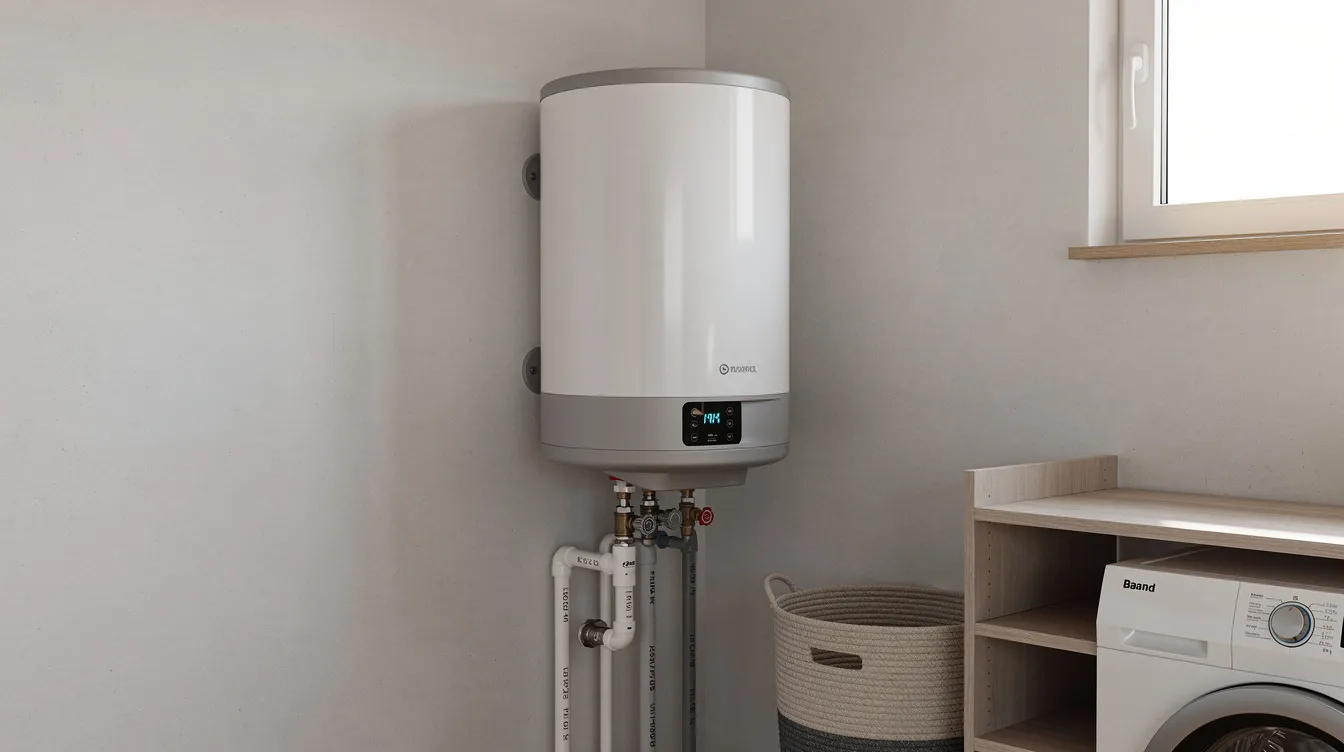
Traditional tank water heaters store a fixed volume of hot water – 6, 10, 12, 18, or 30 gallons – keeping it heated and ready. Electric tankless water heaters eliminate the need for a bulky storage tank entirely, heating water only as it flows through.
Compact mini-tank electric heaters (2.7–6 gallons) tuck under a sink or into closets, delivering hot water to a single fixture or high-use area. Larger 10–18 gallon tanks fit inside a utility cabinet for a studio or one bathroom home. They’re low cost, simple to install, and reliable for steady, predictable use.
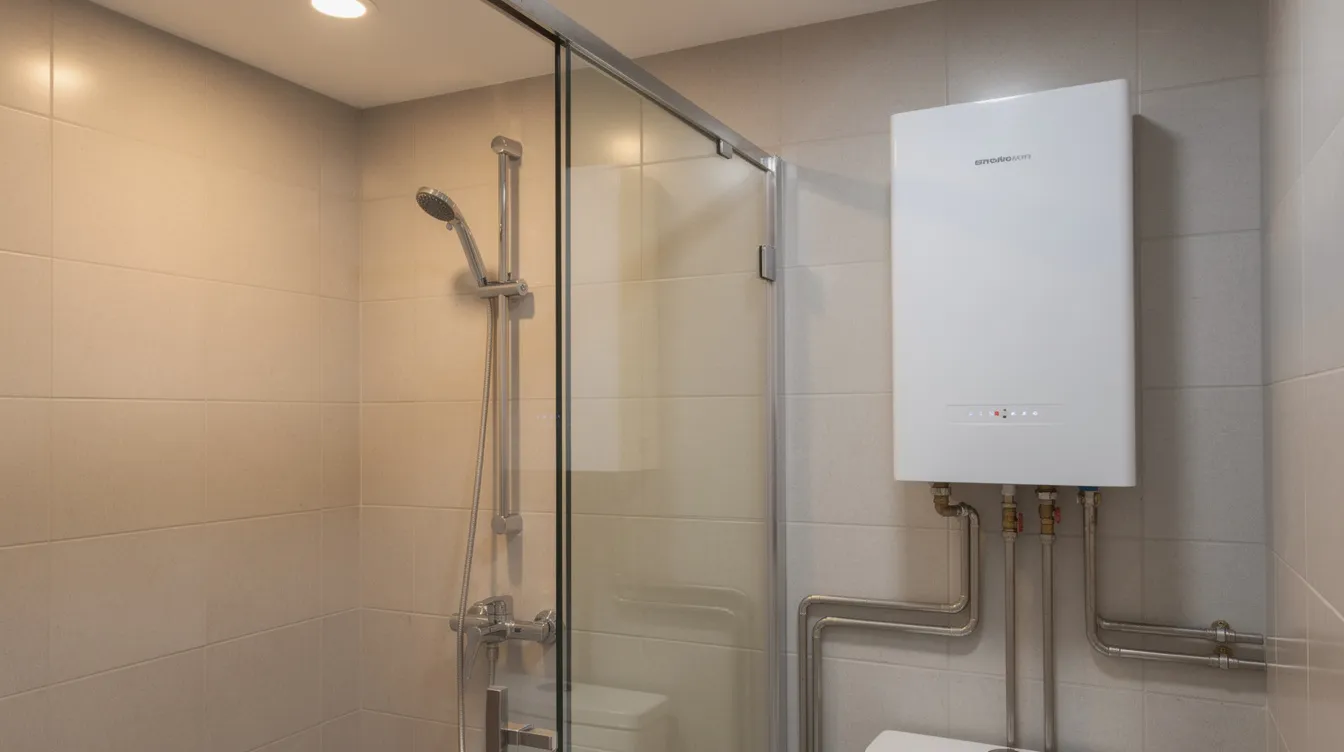
Tankless units mount flat against a wall, making them ideal when floor space is limited. They provide instant hot water on demand, and they reduce energy costs by eliminating standby heat loss. Compact water heaters reduce standby energy loss significantly regardless of type, but tankless models take this further. Tankless models can last over 20 years with proper care, compared to 8–12 years for most storage tanks, and the best water heaters for tiny houses are almost always highly efficient tankless or compact tank models.
Two quick recommendations:
- A one-person studio with light use (daytime showers, one sink): a 6–12 gallon electric mini-tank is more than enough.
- A small family of 2–3 people taking back-to-back showers: a compact electric or gas tankless rated at 4–5 GPM handles the demand without running out.
Top Features to Look for in a Small-Home Water Heater
Look beyond price and capacity. Specific features make a real difference in safety, comfort, and long-term energy savings in small spaces.
Practical design details:
- Compact design with wall-mount or shelf-mount capability
- Side or top water outlets for flexible plumbing
- 120V storage design to avoid costly electrical upgrades
- Measure your space to ensure proper fit before ordering
Safety features to prioritize:
- Built-in T&P (temperature and pressure) relief valves
- Auto shut-off and dry-fire protection
- Overheat protection and high pressure resistance (up to 150 psi)
- IPX4 or similar waterproof ratings for units installed in bathrooms or under sinks
Energy-saving features:
- Thick insulation to minimize standby losses
- Eco modes and programmable timers
- Precise temperature control via digital displays or smart home integration
- LED heating indicators that show element status
Mini-tank electric water heaters provide immediate hot water to high-use areas like a kitchen sink or bathroom vanity. Point-of-use mini-tank heaters reduce wait times and standby heat loss by cutting the distance water travels from heater to faucet.
Where to Install a Water Heater in a Small House
Small homes and small apartments have limited utility space, so location planning matters for both safety and convenience. The goal: get hot water to your most-used fixtures as fast as possible.
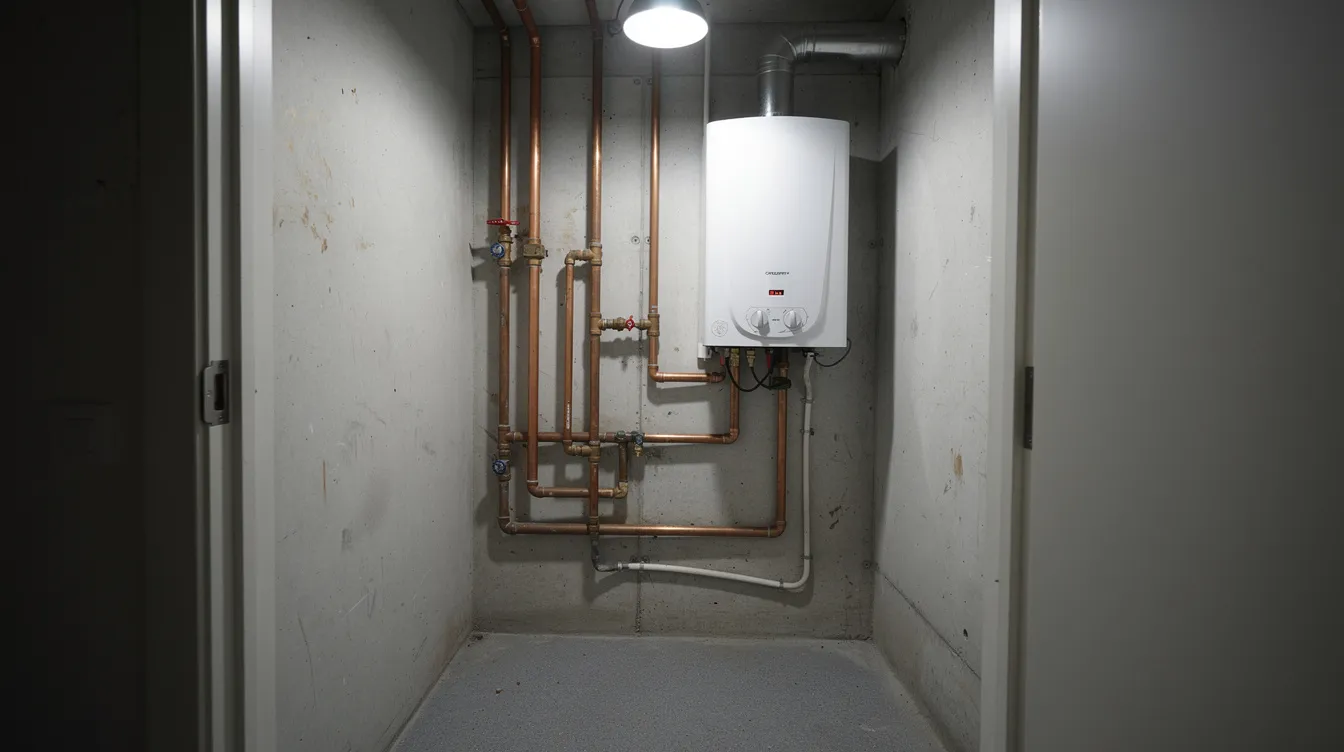
Common installation spots: In tiny and small homes, these locations also need to work with however your house actually gets water, whether that’s a grid hookup, onboard tank, or rainwater system, so it’s worth understanding how tiny houses get water on-grid or off-grid before you finalize your layout.
- Under-sink: 2.7–6 gallon electric minis for a kitchen or bathroom sink. Small water heaters fit under sinks or in closets with minimal footprint. They are lightweight and easy to install in tight spaces.
- Closet or utility cabinet: 10–18 gallon tanks that slide into a linen closet or adjacent cabinet.
- Basement corner: 20–30 gallon storage tanks with proper clearance and T&P valve drainage.
- Exterior wall or bathroom wall: Compact tankless units; gas or LP models need venting through wall or roof.
Short pipe runs are critical in a small home. Every extra foot of pipe means more heat loss and longer wait times. Installation requires minimal plumbing and electrical adjustments for most point-of-use electric models.
Layout example 1: In a 700–900 sq ft one-bath house, place a 20-gallon electric tank in a utility closet next to the bathroom, with a 6-gallon mini-tank under the kitchen sink for quicker access.
Layout example 2: In a small two-bath townhouse with a basement, install a compact tankless unit in the basement to serve both bathrooms, plus a point-of-use mini under each bathroom sink to eliminate wait times.
Always ensure proper clearances, access for maintenance, T&P valve discharge to a drain, and – for natural gas or liquid propane units – compliant venting and permission from local code authorities, especially if you’re designing a self-sufficient tiny home for off-grid living where multiple systems have to work together in a compact space.
Energy Efficiency and Operating Costs in a Small Home
Energy efficiency matters even more in a small home because hot water heating can represent a larger share of your total utility bill. Cutting standby losses and choosing the right fuel type directly affects your monthly cost, and pairing efficient hot water with the right heating units for small homes can dramatically lower overall energy use.
Key efficiency factors:
- Uniform Energy Factor (UEF) ratings: higher is better. Heat pump models reach UEFs of 3.3–3.9, while standard electric resistance tanks sit around 0.9.
- Tank insulation thickness and standby loss performance
- On-demand heating (tankless) vs. stored hot water
Approximate annual operating costs for a 1–2 person household: For tiny houses that rely on off-grid power, these numbers depend heavily on your electrical source, so many owners pair efficient heaters with compact generators for tiny house living to keep hot water reliable without oversizing their power system.
System Type | Estimated Annual Cost |
|---|---|
12–18 gallon electric tank | $150–$350 |
Small gas or propane tankless | $100–$250 |
Heat pump water heater | $80–$150 |
Heat pump water heaters provide significant energy savings over time and often cut electricity use to one-quarter of what a standard resistance tank consumes, which is especially helpful if your tiny home draws from a carefully sized generator system where every watt matters. |
Simple actions to save more:
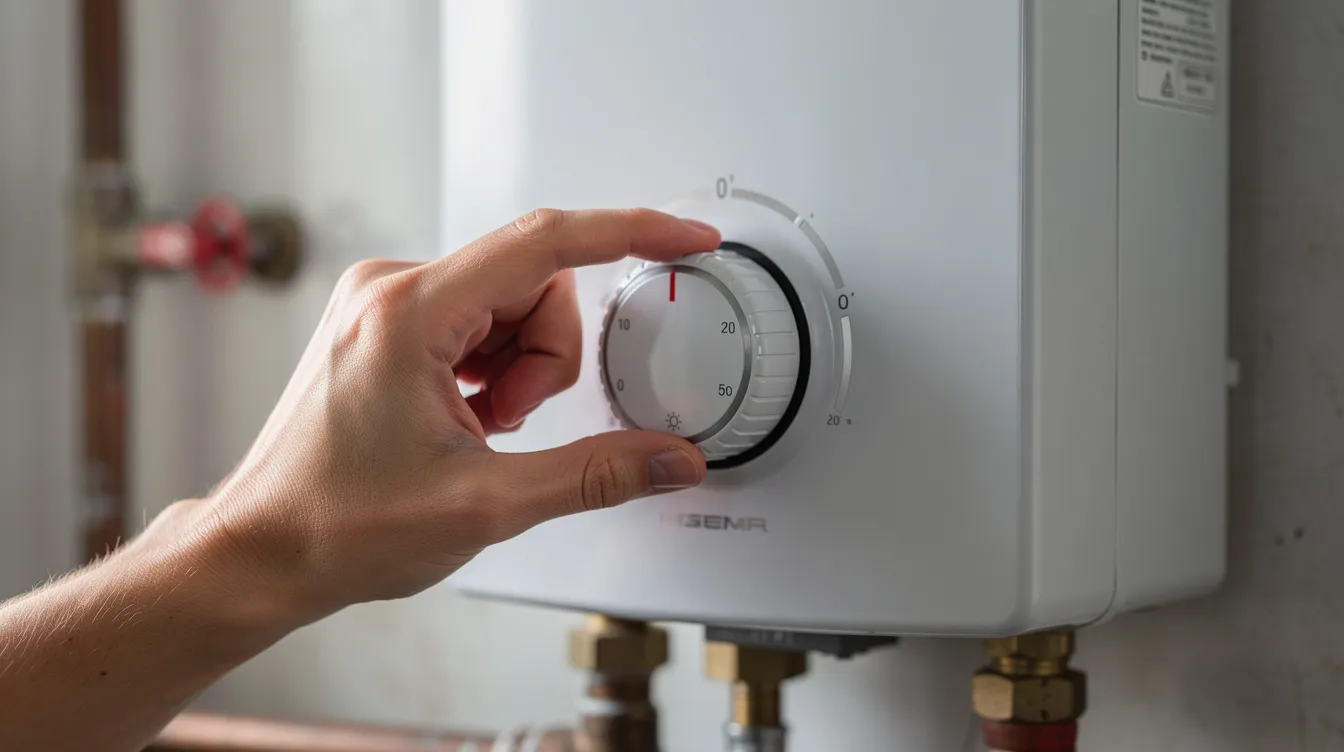
- Set your thermostat to around 120°F (many units ship at 140°F)
- Insulate hot water pipes, especially on longer runs
- Use low-flow showerheads and faucet aerators
- Lower the temperature or turn the unit off during vacations
For eco-minded homeowners, high-efficiency electric water heaters can be very low-carbon in regions with clean electricity grids – a value that appeals to many tiny home and small house owners making the switch from gas.
Installation, Maintenance, and DIY vs. Professional Help
Some mini electric water heaters (2.7–6 gallons, 120V plug-in) are straightforward enough for handy homeowners to install themselves. Larger 240V electric units, natural gas, and liquid propane systems almost always require a licensed professional for safety and code compliance, and the same goes for tying a tiny home generator into your electrical system so it can safely power your water heater and other loads.
Basic installation steps:
- Position the unit with proper clearances
- Connect cold water inlet and hot water outlet with shutoff valves
- Provide safe electrical connection (or gas line and venting)
- Set temperature to ~120°F
- Fill, purge air, and test T&P valve operation
Routine maintenance for small-home systems:
- Check for leaks and rust periodically
- Flushing sediment annually, especially in areas with hard water
- Inspect and replace anode rods every 2–3 years in tank units
- Descale tankless heaters every 1–2 years depending on water hardness
If you smell gas, hear repeated breaker trips, or see water discharging from the T&P valve, shut everything off and call a professional immediately.
With proper installation and regular maintenance, a small water heater can last 8–12 years for tank models. Tankless and heat pump units often reach 15–20 years or more. Always verify that the manufacturer’s warranty covers your specific installation location and usage.
Budgeting, Rebates, and Choosing the Right Model for Your Small House
Compact water heaters in 2026 fit a wide range of budgets:
- Mini 2.7–6 gallon electric units: ~$90–$150, often part of a broader off-grid setup that can also include composting toilets for tiny houses to reduce plumbing and septic costs
- 10–18 gallon electric tanks: ~$140–$220
- Small tankless gas or electric units (3–5 GPM): $1,200–$3,500 including installation
Your budget should also account for installation labor, extra plumbing or electrical work, venting for gas or propane, replacing old units, and any needed permits. Compact water heaters fit under sinks or in closets, but structural modifications may add cost in older homes.
The efficiency of heat pump water heaters often qualifies them for tax credits. The federal Inflation Reduction Act credit covers 30% of project cost up to $2,000, and many state and utility programs offer additional rebates in the $400–$1,200 range. Check your local programs before buying – the savings can be substantial.
Decision checklist:
- Household size and daily hot water habits
- Available fuel types (electricity, gas, propane)
- Installation location and space constraints
- Preference for instant hot water vs. stock of stored hot water
- Long-term operating costs vs. upfront price
Compact water heaters provide instant hot water for small living spaces without overwhelming your budget or your floor plan. Choose a model that balances up-front cost with comfort, energy efficiency, and reliability – and let your server of hot water work quietly in the background while you enjoy every shower.