A tiny house finder is a specialized platform that helps you locate, compare, and secure a tiny home – whether you want to buy, rent, build, or simply find a legal place to park one. With tiny homes ranging from 175 to 440 square feet and prices starting as low as $12,000, the options are vast, and the right finder tool can save you months of scattered searching. Here’s how to navigate the different types of platforms and choose the one that fits your goal.
Types of Tiny House Finders
Tiny house finder platforms break down into four main categories, each serving a different stage of the journey. Understanding which type you need is the first step toward a simpler, more focused search.
Online Marketplace Platforms
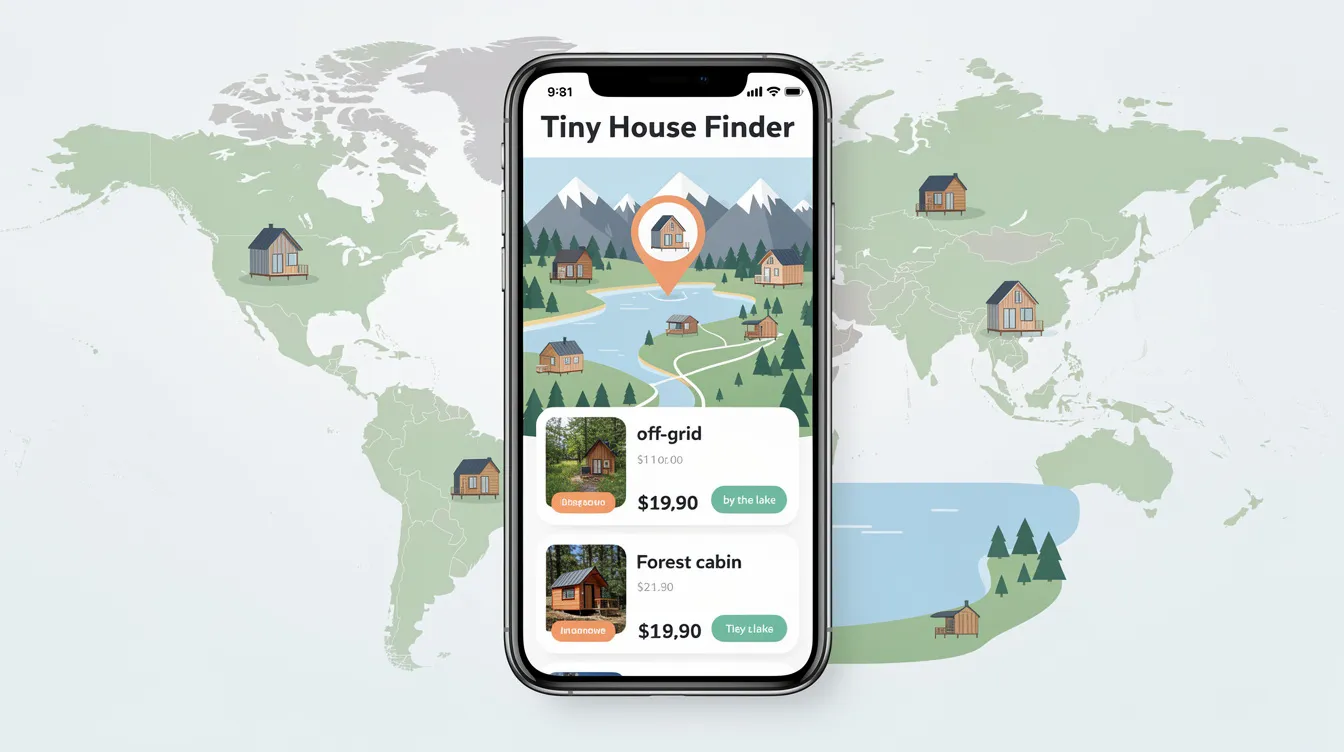
These are listing-driven platforms where private owners, builders, and dealers post tiny homes for sale or rent. Several websites focus on tiny house listings for sale or rent, making them the broadest starting point for most people. Tiny House Listings is a leading marketplace for tiny houses, while Tiny House Exchange focuses on tiny homes and alternative housing, including container homes and micro homes. Tiny House Society features affordable tiny homes for sale, and online communities often have listings for tiny homes available for sale as well. These platforms serve buyers who want inventory they can browse, compare, and act on quickly – many builders offer pre-built tiny houses for faster delivery through these channels. New tiny homes are being built as recently as 2026, so fresh inventory appears regularly. The tradeoff: listing quality varies, and you’ll need to do your own due diligence on each seller.
Builder and Manufacturer Directories
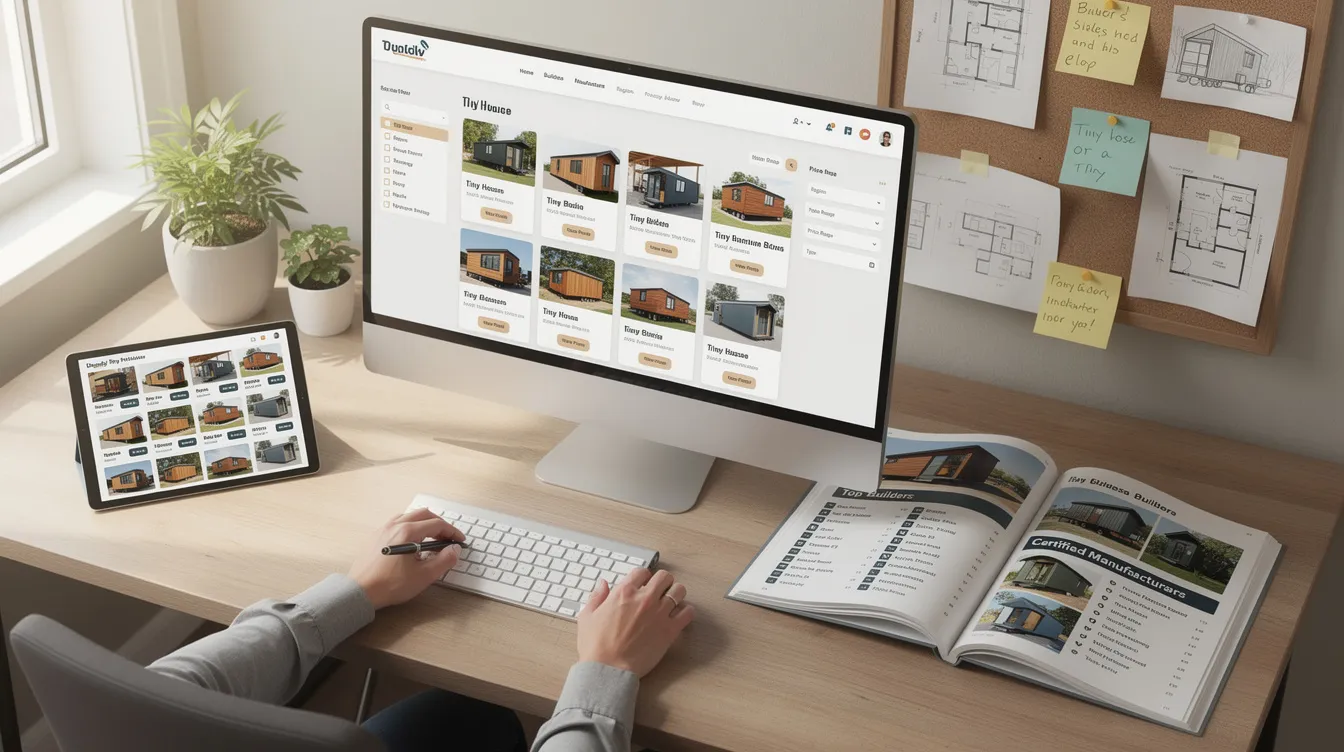
If you want a custom or semi-custom build, builder directories connect you directly with professionals. FindATinyHouse.com lists over 500 tiny home builders across all U.S. states, with filtering by type – tiny house on wheels, container, stationary, park model – along with ratings, reviews, and pricing. Tiny Living’s builder directory covers over 150 builders and designers across the U.S., Canada, Europe, and Australia, including specialty styles like luxury, off-grid, and steel framing. Tiny Home Builders offers a variety of tiny house plans, and their plans include a 3D model for customization, giving you a strong visual starting point. They have supplied over 2000 trailers for tiny homes, which speaks to the scale of the custom-build market. Custom builds typically take 6–12 months; production homes run 3–6 months, and exploring custom tiny homes with personalized designs can help you decide whether a bespoke build timeline fits your plans.
Rental-Focused Platforms
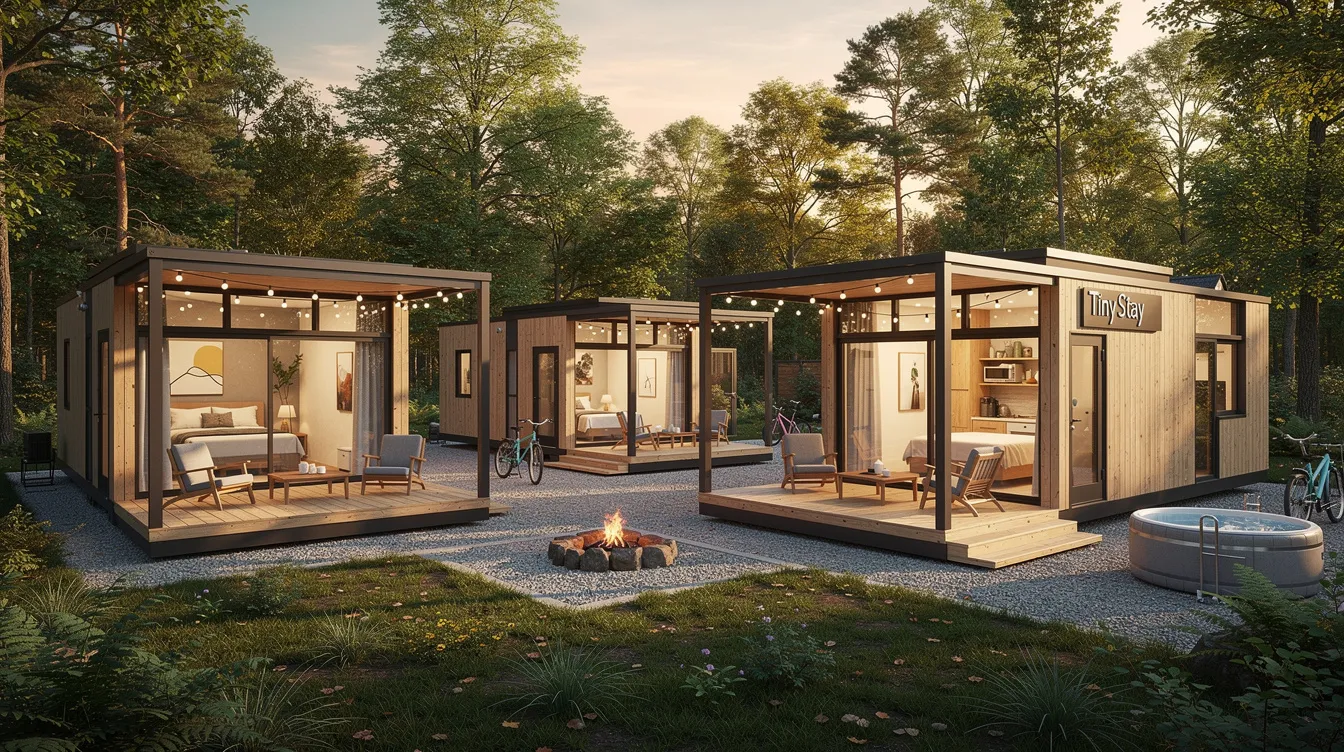
Tiny house rentals are less common than vacation rentals on mainstream platforms like Airbnb, but dedicated finders are growing. Tiny house rentals can occur in RV parks and campgrounds, and some marketplace platforms – like Florida Tiny Home Finder – include both sale and rent listings in one place. Short-term rentals tend toward the luxury or experience-driven end, while long-term options focus more on practical zoning, utility hookups, and permitted use. If you’re interested in trying tiny living before committing, rental-focused finders let you discover the lifestyle firsthand and decide whether buying a tiny house for a minimalist lifestyle makes sense for you.
Community and Land Listing Services
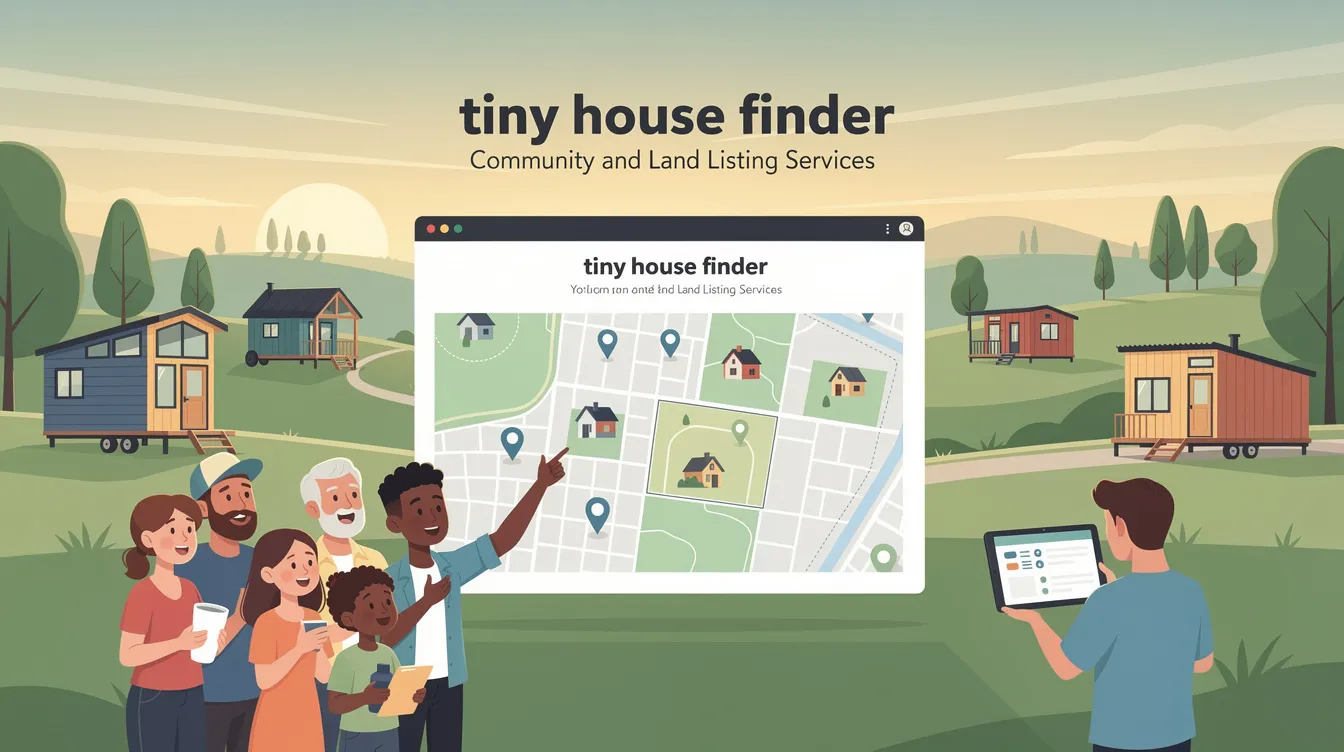
Finding a place to legally park or place a tiny house is often harder than finding the house itself. Tiny house communities offer designated parking for tiny homes, and a Tiny House Community directory lists available communities across the country. Little Houses For Sale tracks 423+ communities across all 50 states, with monthly lot rent generally ranging from $300 to $1,200 depending on location and amenities. Tiny house communities promote a simpler lifestyle and community living, and some tiny house communities focus on sustainable living practices that align with the broader tiny house movement and small-scale living. TinyHomeList provides state-level and city-level zoning guides covering 250+ cities, helping you understand where you can live legally. Local zoning rules can determine if a tiny home is a permanent residence, so these services are essential for anyone serious about long-term tiny living.
What to Look For in a Tiny House Finder
The difference between a helpful platform and a frustrating one comes down to a few concrete features. Here’s what separates effective finders from generic listing pages.
Search and Filter Capabilities
A strong tiny house finder lets you filter by the things that actually matter: type (wheels vs. foundation, container, prefab, park model), size, price range, number of lofts or bedrooms, and location via state search. The best platforms let you sort by lead time, off-grid capability, and design style. Using niche marketplaces is effective for finding tiny houses precisely because their filter tools are built for this market – unlike general real estate sites where tiny homes get buried, and you can even discover top tiny house designs that redefine small living based on the features you care about. Look for platforms that let you filter and sort by the criteria specific to your needs.
Listing Quality and Verification
Detailed listings with clear photos, floor plans, and material specifications are non-negotiable. Verified builder credentials – such as RVIA or NOAH certifications – dramatically affect trust. Little Houses For Sale uses badges like “Verified Seller” and “Verified Builder” to distinguish vetted listings. Tiny house workshops provide hands-on building experience, and studying tiny house design ideas, floor plans, and real-world examples alongside builder portfolios helps you recognize higher-quality work. Every listing should disclose whether the home is titled as a vehicle or real property, since this affects financing, insurance, and legal placement.
Geographic Coverage and Local Expertise
Tiny homes can be found for sale in various locations worldwide, but the real value is in local expertise—especially in states with active tiny home markets like Texas tiny houses and communities. Platforms covering all 50 states are useful, but those with county-level or city-level zoning data – like TinyHomeList’s guides – transform a general search into an actionable one. Verifying local zoning regulations is crucial before buying a tiny house, and finders that surface this information early save you from discovering legal barriers after you’ve already fallen in love with a home. Some regions like Texas (TX), North Carolina (NC), and Pennsylvania (PA) have notably different tiny home regulations, making local knowledge critical.
Price Transparency and Market Data
Clear pricing helps you make informed decisions and avoid surprises. As of 2026, prefab tiny homes cost roughly $150–$250 per square foot, while custom builds run $250–$450 per square foot; a detailed breakdown of tiny house costs, price factors, and hidden expenses can help you refine those numbers for your situation. Total purchase prices range from about $30,000 to over $150,000 depending on size, finish, and mobility. But hidden costs – transportation, site prep, permits, utility hookups – can double or triple the base price, which is why using a tiny home cost calculator and budgeting guide alongside resources like The Tiny Life helps you budget realistically. The best finders share market data openly so you know where your money goes.
Community Features and Social Tools
Facebook groups are useful for finding tiny house listings, and many finders now integrate community features that let you connect with other tiny house people. Platforms where users share stories, meet fellow enthusiasts, and discover tips from experienced owners add value beyond simple listings. These social tools help you learn from people who’ve already navigated the process.
How to Choose the Right Tiny House Finder
With the features above in mind, here’s how to narrow down the right platform for your situation:
- Your Timeline and Goals – If you need a home quickly, marketplace platforms with ready-to-move inventory are your best bet. If you want to build a custom tiny house, a builder directory with portfolio reviews and lead-time data will serve you better. For those who want to rent before buying, rental-focused platforms or dual-purpose marketplaces offer that flexibility.
- Budget and Financing Needs – Prices for tiny homes can start as low as $12,000 for basic shells, but turnkey builds can exceed $150,000. Many tiny homes don’t qualify for traditional mortgages – especially those on wheels – so look for finders that address financing options like RV loans, personal loans, or community-specific financing. Some tiny homes are designed for off-grid living, which can reduce ongoing costs but increases upfront investment.
- Location and Mobility Requirements – If you want a tiny house on wheels, you need a platform that covers parking, lot rent, and transport logistics. If you want a foundation-built home or ADU, geographic coverage and zoning data matter most. Your state and municipality will determine what’s legal, so choose a finder with strong local coverage.
- Experience Level and Support Needed – First-time buyers benefit from platforms that offer educational content, verified listings, and step-by-step guides, as well as inspiration from cute tiny house designs for a dream home to clarify what styles they actually want. Experienced tiny home enthusiasts may prefer raw marketplace access with less hand-holding but more inventory, using curated lists of top tiny houses that redefine small-space living as benchmarks when evaluating new listings. Finders offering free resources – cost calculators, zoning guides, builder comparison tools – help less experienced buyers make confident decisions.
Frequently Asked Questions
What’s the difference between tiny house marketplace platforms and builder directories?
Marketplace platforms list completed or in-progress tiny homes for sale from private owners and builders – think of them as classified listings where you browse available inventory. Builder directories, by contrast, connect you with professionals who will design and build a home to your specifications. Marketplaces offer speed and variety; builder directories offer customization and professional accountability. Many buyers use both: browsing marketplaces to understand the market, then contacting builders through directories for a custom build.
How much should I expect to pay for a tiny house through online finders?
Prices vary widely by size, design, and build quality. Entry-level tiny homes can start as low as $12,000 for basic DIY shells, while turnkey models typically fall between $30,000 and $150,000+. Prefab homes run $150–$250 per square foot; custom builds cost $250–$450 per square foot. Don’t forget hidden costs: transportation, permits, land or lot rent ($300–$1,200/month in communities), utility hookups, and site preparation can add tens of thousands to your total budget.
Can I find tiny houses for rent as well as purchase through these platforms?
Yes, though rental options are more limited than purchase listings. Several marketplace platforms include both sale and rental listings – Florida Tiny Home Finder, for example, lists both. Tiny house rentals can also be found in RV parks and campgrounds. Short-term vacation rentals are available through mainstream platforms like Airbnb, but dedicated tiny home finders offer better filtering for long-term rentals and community-based living arrangements.
How do I verify that a tiny house listing is legitimate?
Look for platforms that use verification badges for sellers and builders. Check for RVIA or NOAH certifications on any tiny house on wheels. Request detailed photos of interiors, exteriors, and key systems (plumbing, electrical, insulation). Ask for build documentation, title status, and any warranties. Verifying local zoning regulations is crucial before buying – confirm that the home can legally be placed at your intended location. If a deal seems too good, request a video walkthrough or third-party inspection before sending any money.
Start Your Tiny House Search Today
The right tiny house finder matches your timeline, budget, and living goals – whether that’s a ready-to-move home from a marketplace, a custom build from a vetted builder, or a spot in a thriving tiny house community. Use the criteria above to narrow your options, and start with platforms that offer the transparency and tools you need to make a confident decision. The world of tiny living has never been more accessible – explore your options and find the space that fits your life.